
7 days in Buenos Aires and Iguazú Falls
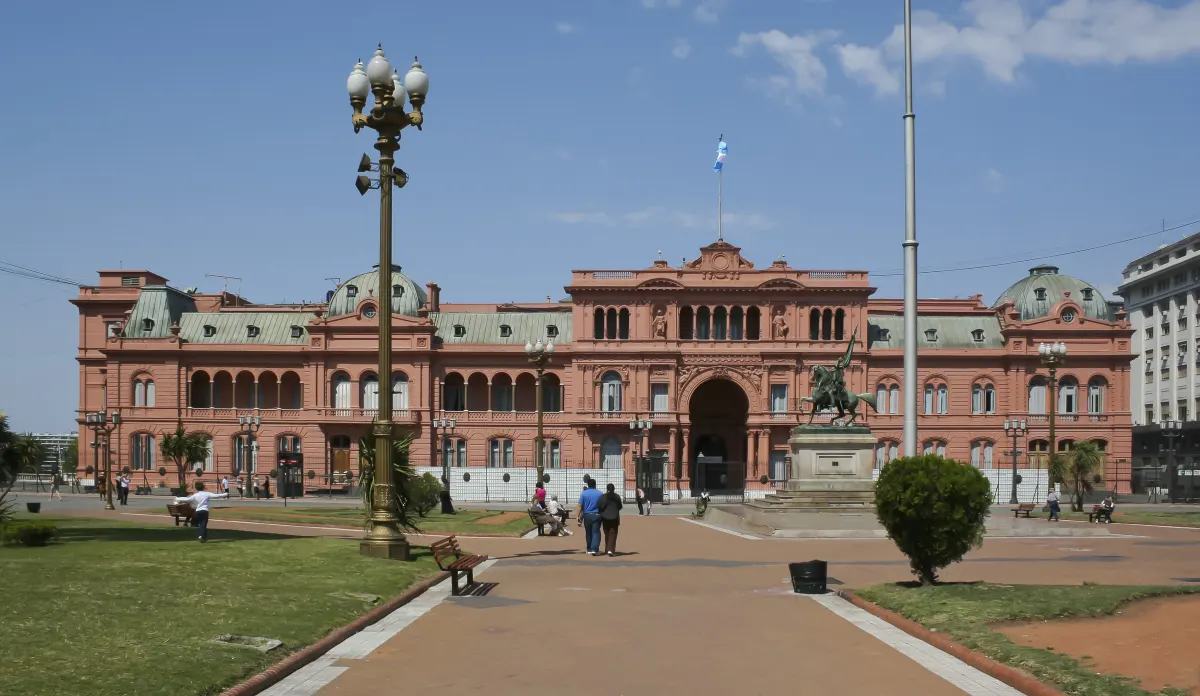
A week is enough for Buenos Aires, one of the great cities of South America, and the Iguazú Falls, a flight of less than two hours away. If you can choose your days, be in Buenos Aires on a Sunday, for the San Telmo fair.
Map of the route
Ferry to Colonia and back (day trip), about 50 km
Flight from Buenos Aires to Iguazú, about 1,051 km
Puerto Iguazú to the Argentine side, about 18 km
Puerto Iguazú to the Brazilian side, about 16 km
Click a dot for the place. The dashed lines are the ferry and the flight. Distances are approximate. The ferry and flight distances are in a straight line. Route from OpenStreetMap (© OpenStreetMap contributors, ODbL).
Before you go
- Fly between Aeroparque, in the city, and Puerto Iguazú. The bus takes about 18 hours. See Getting around.
- At the time of writing the Devil's Throat walkway was closed on the Argentine side, so don't skip the Brazilian side. Check that you don't need a visa for Brazil: see Visiting Iguazú.
- Ask your doctor about yellow fever vaccination at least 10 days before: see Health.
- Keep your phone out of sight in the street: see Safety.
Day 1: The centre
Start at the Plaza de Mayo, with the pink presidential palace (the Casa Rosada), the cathedral, where the tomb of San Martín is, and the old Cabildo. Walk along the Avenida de Mayo, stopping for coffee at the Café Tortoni, which opened in 1858, as far as the Palacio Barolo and Congress. Come back by the Obelisco and take a guided tour of the Teatro Colón, one of the world's great opera houses (book ahead). In the evening, have your first parrilla dinner.
Day 2: San Telmo and La Boca
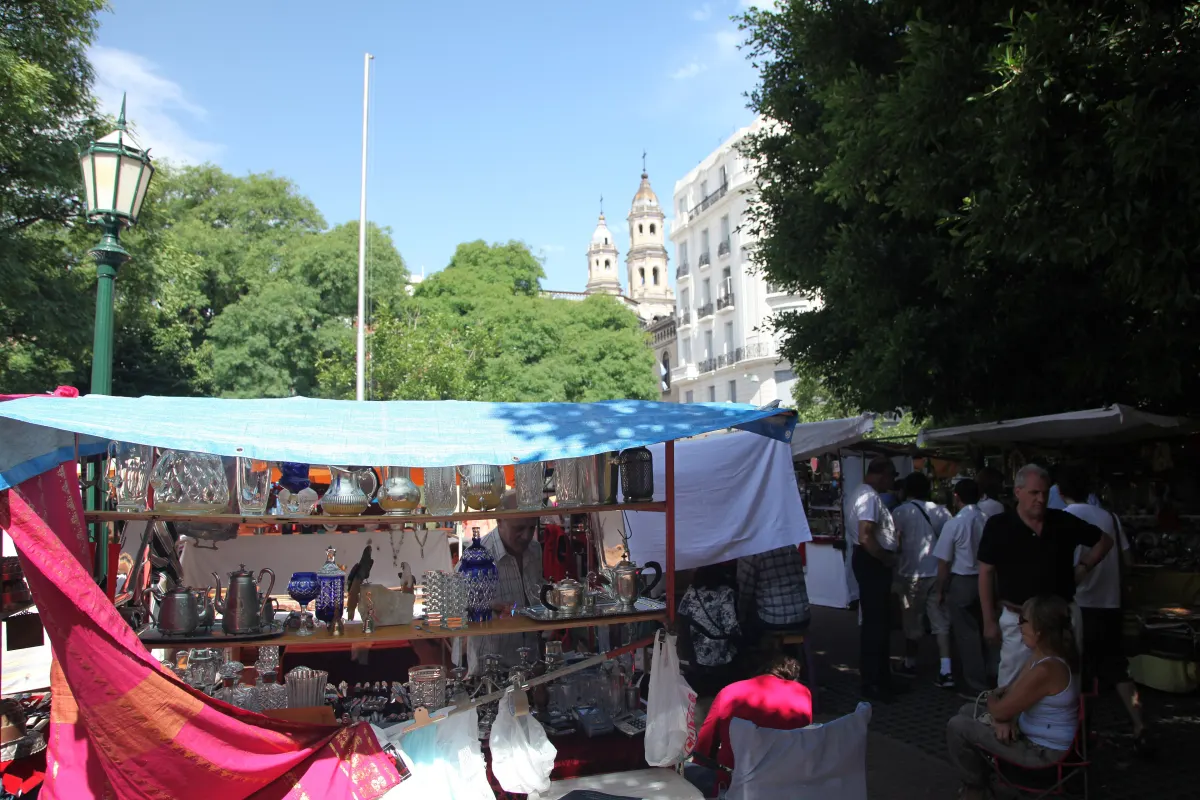
Take a taxi to La Boca in the morning for Caminito and its painted houses, and perhaps the Boca Juniors museum, staying in the tourist streets. Take another taxi back to San Telmo, for its cobbled streets, antique shops and the covered market, and on Sundays the fair that fills Calle Defensa, with tango in the Plaza Dorrego. Finish in a milonga or a tango show.

La Boca and San Telmo, Buenos Aires
La Boca's Caminito is a street of brightly painted tin houses, with tango dancers.
Day 3: Recoleta and Palermo
See Recoleta Cemetery, where Evita is buried among streets of marble tombs, then the national fine arts museum nearby, or MALBA, with its Frida Kahlo (usually closed on Tuesdays). In the afternoon, walk in Palermo's parks and rose garden, visit the Museo Evita, and end the day in the bars and restaurants of Palermo Soho.

Recoleta Cemetery, Buenos Aires
A city of elaborate marble tombs and mausoleums, the resting place of Argentina's elite, including Eva Perón.
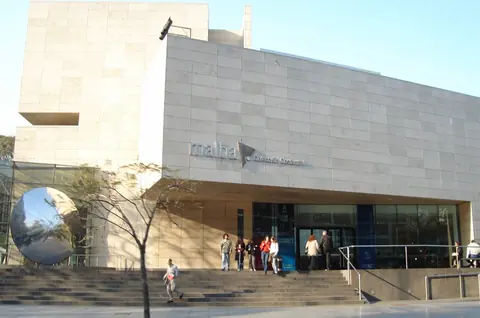
MALBA, Buenos Aires
Latin American art from Frida Kahlo, Diego Rivera and Xul Solar to contemporary works.
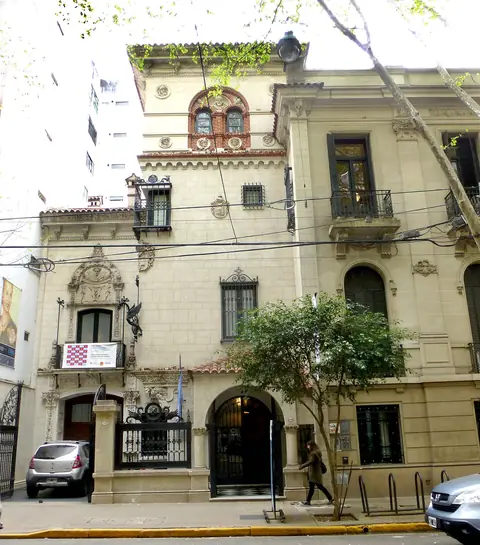
Museo Evita
The life of Eva Perón told through her dresses, film and letters, in a mansion she founded as a women's shelter.
Day 4: Colonia or Tigre
- Colonia: take an early fast ferry (about 1¼ hours) to Uruguay, for the Portuguese old town of Colonia del Sacramento, and come back in the evening. Take your passport. See Crossing to Uruguay.
- Tigre: or take the suburban train from Retiro (about an hour) to Tigre, and a wooden passenger launch among the islands of the Paraná delta. Have lunch by the river.

Colonia del Sacramento
A Portuguese colonial town on the River Plate, a UNESCO site, with cobbled streets such as the Calle de los Suspiros, a lighthouse and old houses.
Day 5: Fly to Iguazú
Take a morning flight to Puerto Iguazú, a small, green town. Spend the afternoon by the pool, and go to the Hito Tres Fronteras at sunset, to see three countries at once across two rivers.
Day 6: The Argentine side
Be at the gate when it opens at 8 am. Walk the Upper Circuit first, and then the Lower Circuit, with a boat trip under the falls if you like getting soaked. Mind the coatis. The path to the Devil's Throat will add an hour or two, if it has reopened.

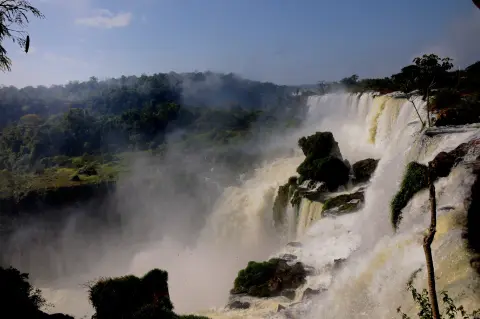
Iguazú Falls (Argentine side)
The Argentine side has about 80% of the falls, with walkways over and under them.
Day 7: The Brazilian side, and back
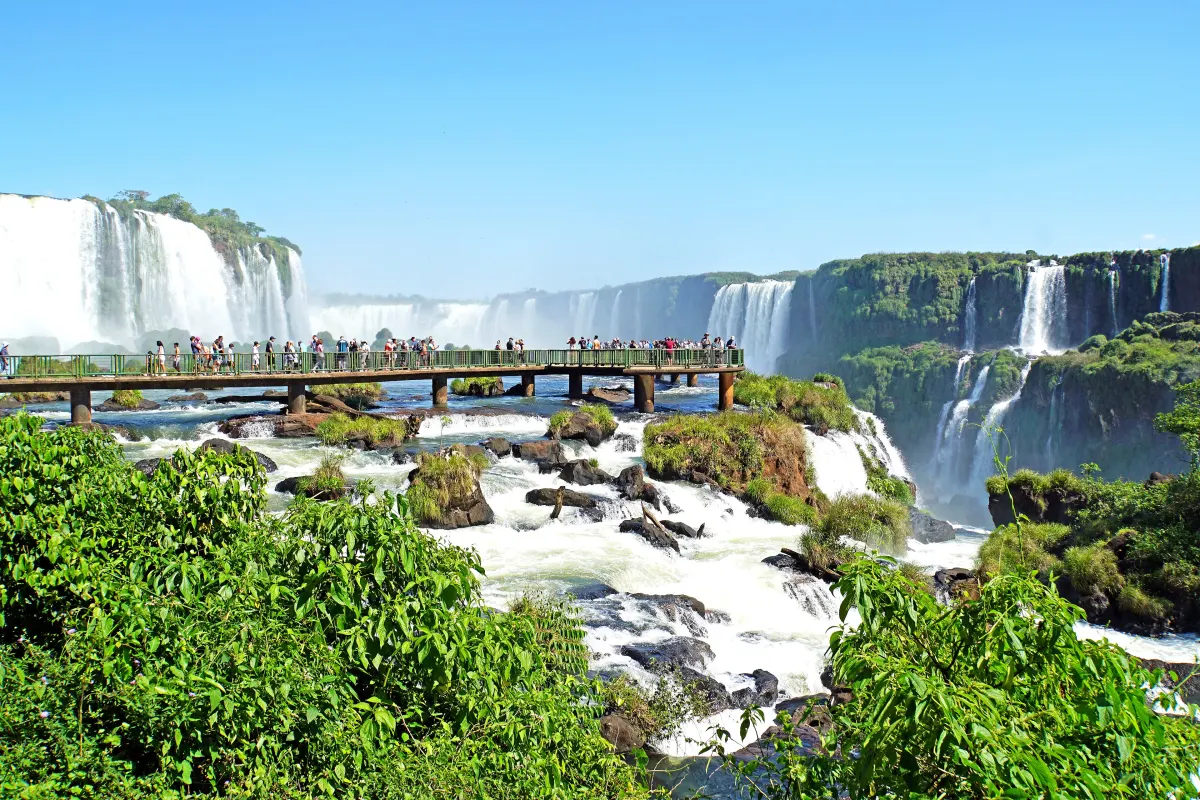
Cross the bridge early to the Brazilian park, for the panorama and the walkway out to the foot of the Devil's Throat: allow two to three hours. Get your passport recorded on both sides of the border, each way. Fly back to Buenos Aires in the evening from Puerto Iguazú (or on to Rio or São Paulo from Foz do Iguaçu).

Iguaçu Falls (Brazilian side)
One of the world's great waterfalls, about 275 drops along nearly 3 km on the Brazil-Argentina border, a UNESCO site.
With more time
- Stop at the ruined Jesuit mission of San Ignacio Miní, a UNESCO World Heritage site on the way from Iguazú to Posadas.
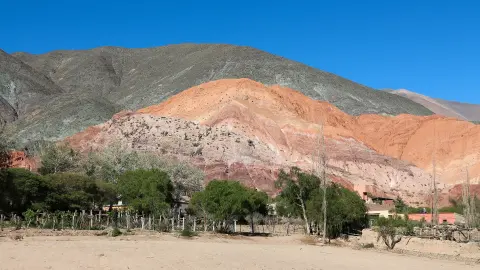
- Add the Andes: see 8 days in the northwest, or fly to Mendoza for the wine.
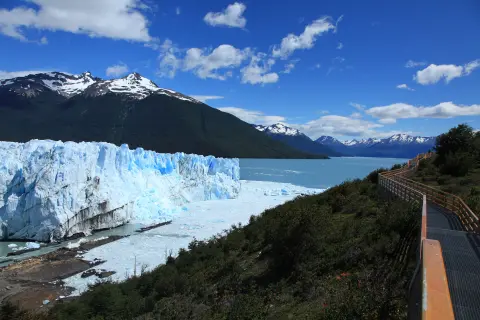
- Or go south: see Two weeks in Patagonia.
Comments
No comments yet.