
Money in Argentina: pesos, the blue dollar, cards, ATMs, Western Union, inflation and tipping
For years visitors to Argentina had to bring a suitcase of dollars, because the black-market "blue" rate was worth twice the official one. That's over. Most currency controls were lifted in April 2025, the rates are now only a few percent apart, and paying by card is the simplest thing to do. You'll still need some cash in pesos.
The peso and its many dollars
- The currency is the Argentine peso (ARS), written with a $ sign. Prices in US dollars are usually marked USD or U$S, mostly for hotels and tours. If you aren't sure, ask.
- Notes go up to 20,000 pesos, but you'll still see plenty of 1,000 and 2,000 notes. Keep small ones for buses, markets and tips.
- In late November 2026, the official rate was around 1,600 pesos to the US dollar, and the blue dollar (dólar blue, the informal cash rate) about 1,675. The MEP, a legal rate from the financial market, was about 1,700. These figures change all the time, so look up today's rate before you change money.
- The "tourist" or "card" dollar in the newspapers, with 30% added, is for Argentines spending abroad. It isn't what you pay.
Paying by card
- Visa and Mastercard are accepted in most shops, restaurants, hotels, supermarkets and petrol stations, usually contactless. American Express is less widely taken.
- Payments with a foreign card are converted at a market rate, usually better than you'd get at an airport exchange. The exact rate depends on the card company, so make a small payment first and see what your bank charges you.
- Always choose to pay in pesos if the machine offers your own currency.
- Shops may ask for your passport or a copy of it when you pay by card.
- Many places give a discount for cash, often about 10%. Ask ¿Hay descuento en efectivo?
- Argentines pay for almost everything by scanning a QR code with Mercado Pago or another wallet. Most visitors can't sign up for these, so some small shops, market stalls and taxis will need cash from you.
ATMs: the expensive option
- Cash machines charge foreign cards a high fixed fee, typically somewhere between US$5 and US$12 each time, and let you take out only a small amount. Your own bank may add more.
- If you need to use one, take out the maximum, use a machine inside a bank during opening hours, and refuse conversion to your own currency. Banco Nación is often a little better than the others.
- Machines can run out of money over long weekends.
Changing cash
- US dollars are the best currency to bring; euros come second. Bring clean, new-looking US$100 notes: older, torn or marked notes are refused or get a worse rate.
- Use a bank or a licensed exchange office (casa de cambio). Because the gap between the rates is small, there's little to gain from the informal exchange houses (cuevas), which aren't licensed.
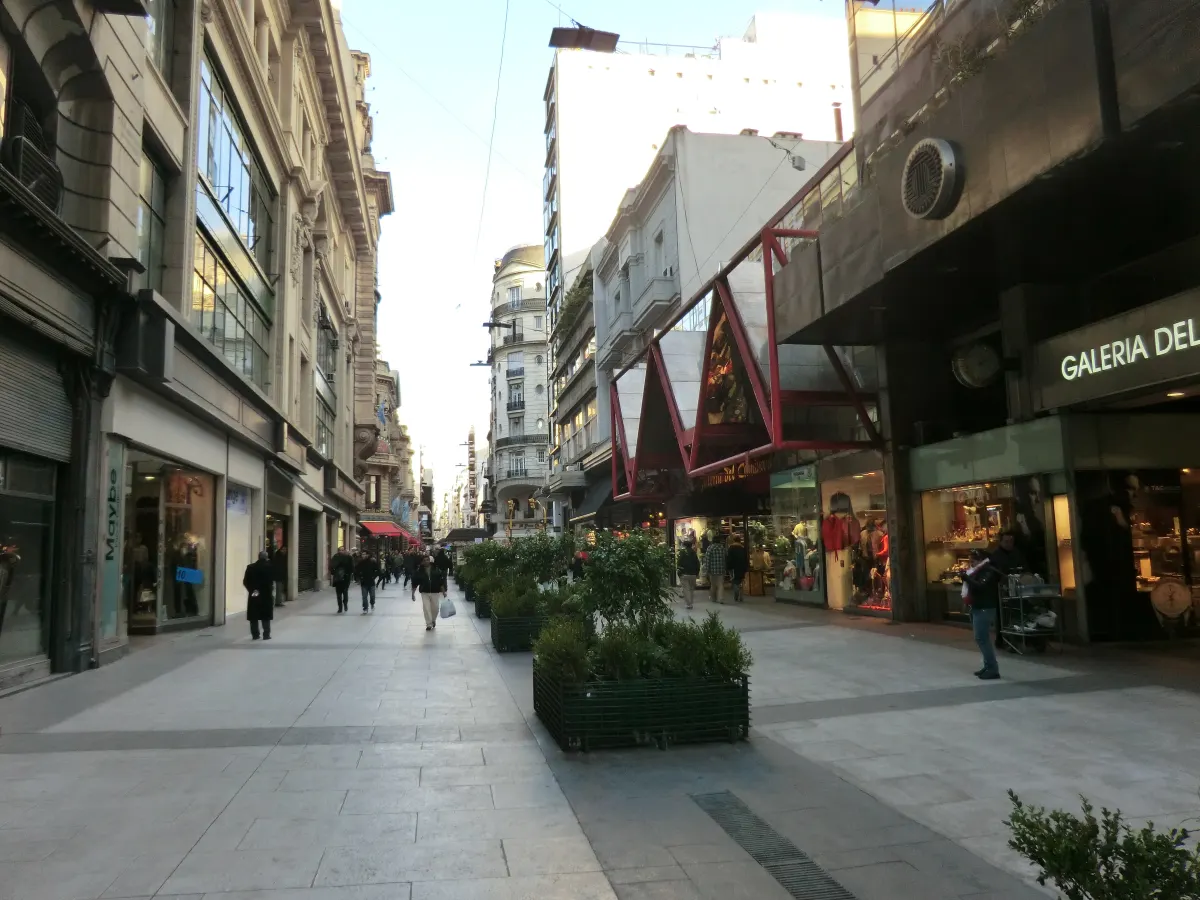
- Ignore the arbolitos, the men and women calling "cambio, cambio" on Calle Florida in Buenos Aires. Short-changing and fake notes are common tricks.
- Count your pesos before you leave the counter, and don't carry it all in one place.
Western Union
- Sending money to yourself with Western Union or a similar service, and collecting it in pesos, used to be the best trick of all. The rate is still often good, but the advantage over a card is now small.
- It's useful as a backup if your card stops working. You need your passport, and the name on the transfer must match it exactly.
- Expect queues and, in small towns, offices that run out of cash. Collect smaller sums, and compare the fee and rate in the app first.
Hotels: no VAT for visitors
Foreign visitors don't pay the 21% VAT on hotel rooms (and breakfast, if it's included) when they show a foreign passport and pay with a foreign card or a transfer from abroad. Ask if the price you've been quoted includes VAT (IVA), and check your bill. If you pay in cash, you pay the tax.
Inflation
- Inflation has fallen a long way from its peak of nearly 300% a year in 2024, but it's still high: 2.2% in October 2026, and about 33% over the year. Prices in pesos on websites and in guidebooks go out of date fast.
- Argentina is no longer cheap. Restaurants in Buenos Aires and Patagonia can cost as much as in Europe.
- Change money as you need it, instead of holding a lot of pesos, and spend what you have left before you go: they're hard to change elsewhere.
Tipping
- Restaurants: about 10%, in cash if you can. The cubierto on the bill is a cover charge per person, not a tip.
- Taxis: round up. Porters and petrol station attendants: a small note.
- Guides and drivers: tips are welcome but there's no fixed rate.
See also Safety in Argentina and Food and drink.




Comments
No comments yet.