
Arriving in Argentina: visas, the health insurance rule, customs and Buenos Aires' airports
Most visitors from Europe, North America, Australia and New Zealand can enter Argentina without a visa and stay for up to 90 days. The rules on health insurance have been changing since 2025: in practice nobody was being asked for it at the border at the time of writing, but you should have it anyway, because public hospitals can now charge visitors.
Do you need a visa?
- Citizens of the UK, the EU countries, the USA, Canada, Australia, New Zealand, South Africa, Israel, Japan, South Korea, Mexico and many other countries can visit as tourists for up to 90 days without a visa. A few nationalities get shorter stays.
- Citizens of most of South America can enter with their national identity card instead of a passport.
- Some nationalities that normally need a visa, including Indian and Chinese citizens, can travel as tourists without one, or with an electronic travel authorisation (the AVE), if they hold certain US visas. The conditions changed in 2025, so check with an Argentine consulate before you book.
- You can ask the migration office (Migraciones) to extend a tourist stay once, for a similar period, before it runs out.
- Argentina is stricter at the border than it was. Immigration officers can ask for proof of why you're visiting, such as a return or onward ticket, where you're staying, and enough money. Giving a false reason for your visit can lead to refusal and a ban on returning.
The health insurance and sworn declaration rule
This is confusing, and many websites (often ones selling insurance) say more than the law does. In short:
- Decree 366/2025, in force since the end of May 2025, says foreigners entering Argentina must sign a sworn declaration giving the purpose of their trip and stating that they have health insurance. Permanent residents are exempt.
- That part of the decree needs regulations before it can be applied. Argentine embassies have said that they hadn't been issued, so the declaration wasn't being asked for, and in October 2026 travellers reported that nobody was asking for it at the border or when boarding.
- On 30 June 2026 the National Electoral Chamber (a federal court) ruled the decree null, in a case about citizenship. What that means for the entry rules is disputed, and the Supreme Court hadn't given a general ruling when we checked.
- What to do: travel with insurance that covers medical treatment for your whole stay, and carry a copy of the policy showing your name and the dates. Check with your Argentine consulate shortly before you leave, because this could change quickly.
Hospital charges for visitors
- A separate rule is in force. Since 12 August 2026 (Resolution 1066/2026), hospitals run by the national government treat people who aren't permanent residents only if they show health insurance or pay in advance, except in an emergency.
- Emergency treatment can't be refused to anyone, but you can be billed for it afterwards.
- The city of Buenos Aires and several provinces, including Salta, Jujuy, Mendoza and Santa Cruz, have their own rules for charging foreigners. See Health and insurance.
Your passport and entry record
- Your passport must be valid for your whole stay. Airlines can have stricter rules.
- Passports are no longer stamped: you're fingerprinted and photographed, and your entry is recorded electronically.
- If you have Argentine nationality as well, check which passport you need to leave on: there are limits on leaving with a foreign one.
- Children who live in Argentina need written permission to leave without both parents. If you're travelling alone with a child, carry a letter of consent and the birth certificate in case you're asked.
Customs
- Declare cash of more than US$10,000.
- Don't bring in fresh fruit, vegetables, meat, dairy products, seeds or plants: the animal and plant health service, SENASA, checks bags.
- Drugs, including cannabis bought elsewhere, are illegal to bring in, and penalties can be severe even for small amounts.
- Crossing into Chile is stricter still: see Crossing to Chile, Uruguay and Brazil.
Ezeiza airport (EZE)
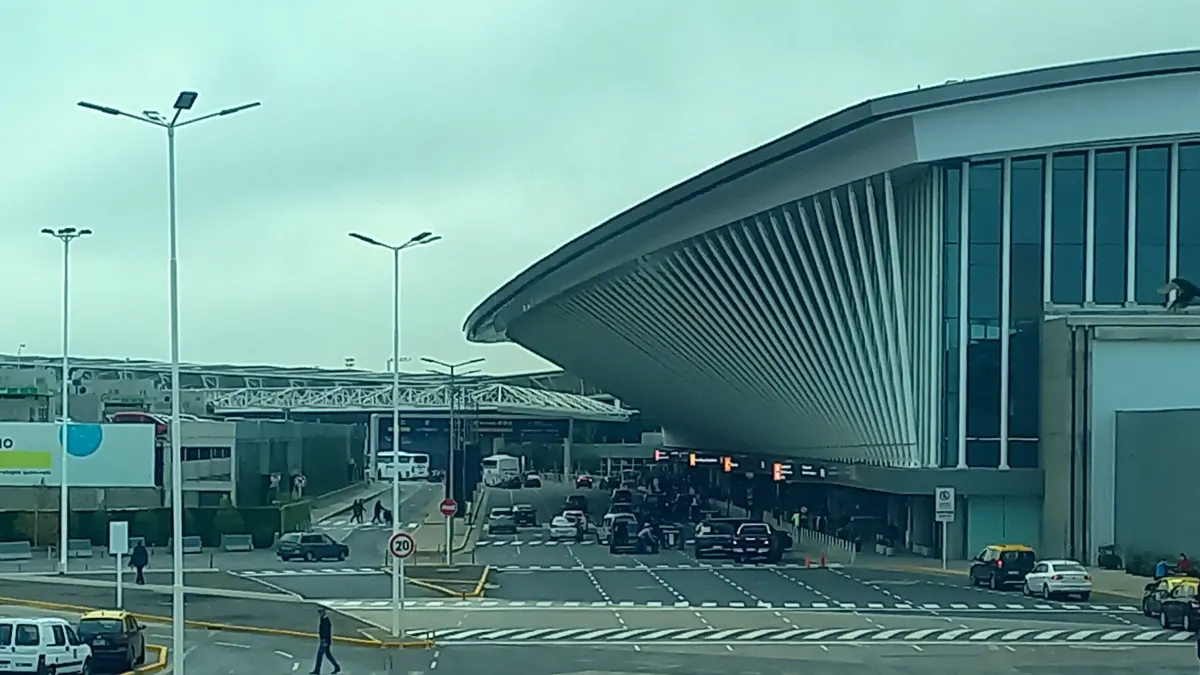
Most long-haul flights land at Ezeiza (Ministro Pistarini), about 30 km south-west of central Buenos Aires. There's no train. Allow 45 minutes to over an hour by road, and more at rush hour.
- Official taxis: go to the taxi desks in the arrivals hall, ask the price, and pay or confirm it there. Ignore anyone who offers you a taxi as you come out.
- Uber, Cabify and DiDi work from the airport, with signposted pick-up points outside, and are usually cheaper than a taxi. There's free wifi to book with.
- Shuttle buses run to the city centre. Operators and stops changed in 2026, so check before you fly.
- Bus 8 is very cheap, but takes about two hours and needs a SUBE card (see Getting around).
- Change only a little money here: the bank counter in arrivals is the one to use. See Money in Argentina.
Aeroparque (AEP)
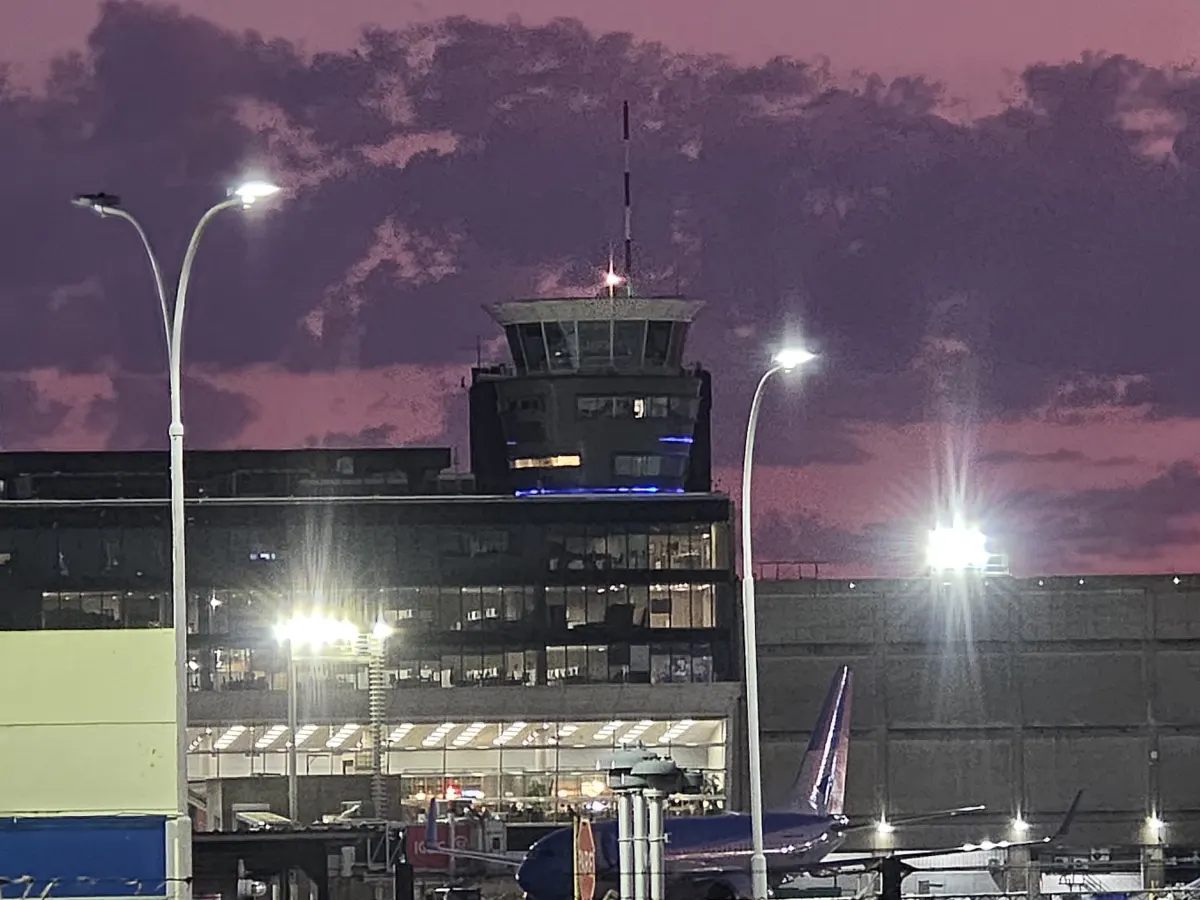
- Aeroparque Jorge Newbery is in the city, beside the river in Palermo, about 15 to 30 minutes from the centre. Most domestic flights leave from here, and some to Uruguay, Brazil, Chile and other neighbouring countries.
- Some domestic flights use Ezeiza, so check which airport is on your ticket.
- To change from one airport to the other, take a taxi, an app car or a pre-booked transfer: it takes an hour or so, and much more at busy times. Leave at least four or five hours between flights on separate tickets.
See also Money in Argentina, Phones and apps and Safety.





Comments
No comments yet.