
Crossing from Argentina to Chile, Uruguay and Brazil: mountain passes, hire cars, Chile's food rules and the ferries
Argentina's borders are easy to cross, and many trips combine it with Chile, Uruguay or the Brazilian side of Iguazú. The things that catch people out are snow on the Andes passes, Chile's strict food rules, and hire cars without the right papers.
Chile: entering
- Citizens of the UK, the EU, the USA, Canada, New Zealand, Japan, South Korea, Mexico and, since 2025, Australia can visit for up to 90 days without a visa.
- You get a tourist card (a slip or a digital record from the police, PDI). Keep it: you hand it in when you leave. If you lose it, get a copy on the PDI website.
- Children travelling without both parents need notarised permission and a birth certificate.
Chile's food declaration (SAG)
- Everyone aged 18 or over must fill in a sworn declaration for Chile's agricultural service, SAG, on paper or online at ingresoachile.cl. It's free: SAG warns about fake websites that charge for it.
- Declare anything of plant or animal origin, whatever the amount and however it's packed, including wooden and leather souvenirs. An inspector decides. If it isn't allowed, you lose it, but you aren't fined.
- If you don't declare it, you can be fined, and bags are X-rayed and checked by dogs. If in doubt, tick "yes".
- Leave behind fresh fruit and vegetables, honey, raw nuts and seeds, meat and home-made cheese. Eat your sandwiches and apples before the border, and check your day pack and the car.
- Going the other way, Argentina also checks for fresh food, but it's usually less strict.
The main passes to Chile
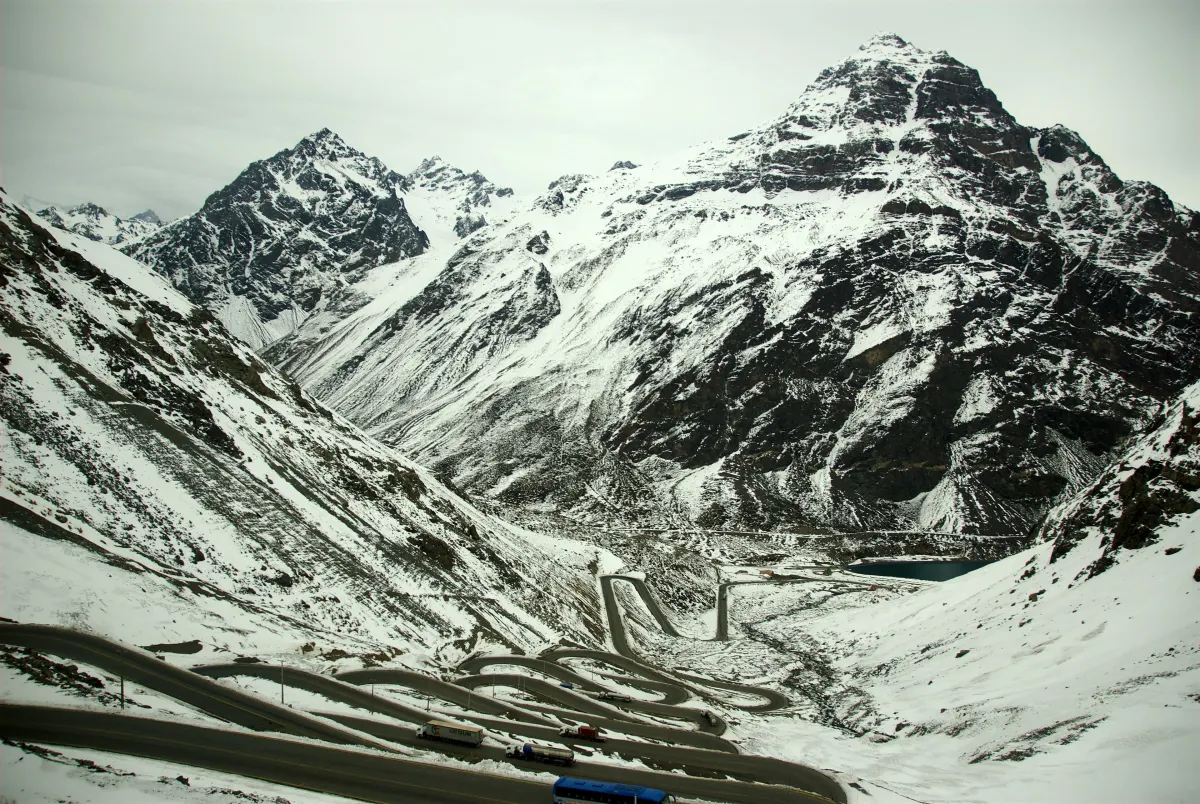
- Cristo Redentor / Los Libertadores (Mendoza to Santiago): the busiest, about 7 hours by bus, past Aconcagua. In summer it's open 24 hours; in winter only in the daytime, and it can close for days. In 2026 snow closed it for 34 days in July and August.
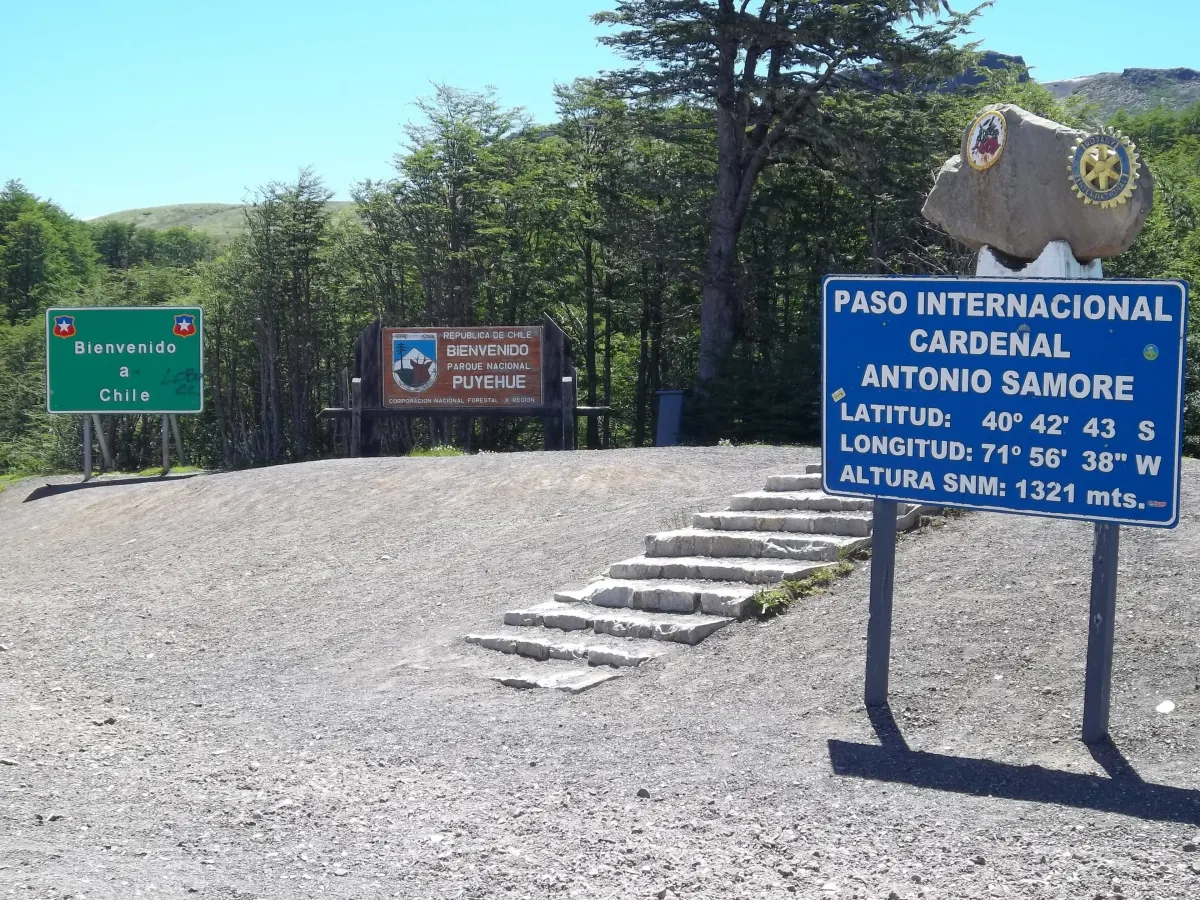
- Cardenal Samoré (Bariloche and Villa La Angostura to Osorno and Puerto Varas): paved, low and mostly open all year. The lakes crossing from Bariloche to Puerto Varas by boat and bus is a slower, dearer and beautiful alternative.
- Jama and Sico (Salta and Jujuy to San Pedro de Atacama): over 4,000 m high. Jama is paved; Sico is gravel. Snow and wind can close both. Beware of altitude sickness.
- Los Antiguos to Chile Chico, Futaleufú and others join the Carretera Austral.
- Río Don Guillermo (Cancha Carrera) and Dorotea (El Calafate to Puerto Natales and Torres del Paine): buses take 5 to 6 hours. Both open in the daytime, with longer hours in summer.
- Integración Austral and San Sebastián (Río Gallegos to Ushuaia): the only road to Ushuaia goes through Chile and across the Strait of Magellan by ferry, so you cross the border twice. Wind sometimes stops the ferry.
- On foot, hardy walkers can cross between El Chaltén and Villa O'Higgins from about November to April, with two boats and a 22 km walk.
Closing times and time zones
- Check the pass on the day: the government's list of alerts and the pass authorities' social media say what's open. From June to September, plan a spare day, and carry snow chains if you're told to.
- Crossing usually takes one to two hours, and several hours at busy times: January and February, long weekends and the Easter holidays.
- Central Chile is an hour behind Argentina in winter and on the same time in summer. The far south of Chile (Magallanes and Aysén) is on Argentine time all year.
Taking a hire car across
- Ask the hire company when you book, not when you collect the car. You need its permit to take the car out of the country, with the car's details, the owner's and yours, and insurance valid in the other country.
- Companies want notice, from two or three days up to a week or more, and charge a fee, often well over US$100. Some don't allow it, or only for some cars.
- You must bring the car back to the country you hired it in. Leaving it in the other one is rarely possible.
- At the border you'll get temporary import papers for the car. Keep them: you hand them back when you leave.
Uruguay: the ferries
- Fast ferries cross the Río de la Plata from Buenos Aires to Colonia del Sacramento in about 1¼ hours, and to Montevideo in a little over two. Some Montevideo tickets are a ferry to Colonia and then a bus.
- Buquebus is the biggest company and usually the most expensive; Colonia Express is smaller and cheaper. They use different terminals in Buenos Aires, so check yours.
- Book ahead for weekends and summer: prices rise as the boat fills up. Arrive an hour or more early: you do the immigration checks for both countries before you board.
- Take your passport even for a day trip. Uruguay doesn't allow fresh food either.
- By road, there are three bridges over the Uruguay River further north, and buses to Montevideo.
Brazil at Iguazú
- The Tancredo Neves Bridge joins Puerto Iguazú and Foz do Iguaçu, and it's open day and night. Buses run between the two towns. Make sure you go through immigration on both sides, even for a few hours, if the bus or taxi doesn't stop: people have had trouble later without an exit or entry record.
- Most Europeans and New Zealanders don't need a visa for Brazil. US, Canadian and Australian citizens have needed an e-visa since April 2025, though there have been moves to end it, so check before you go. It also applies to day trips.
- The UK government says your passport should be valid for six months when you enter Brazil.
- See Visiting Iguazú Falls.
Bolivia and Paraguay
The main crossing to Bolivia is on foot from La Quiaca to Villazón, at 3,400 m, north of the Quebrada de Humahuaca. For Paraguay, there are bridges at Encarnación (from Posadas) and near Asunción (from Clorinda).
See also Arriving in Argentina and Two weeks in Patagonia.


Comments
No comments yet.