
Safety in Argentina: phone snatching, the mustard scam, La Boca, taxis and demonstrations
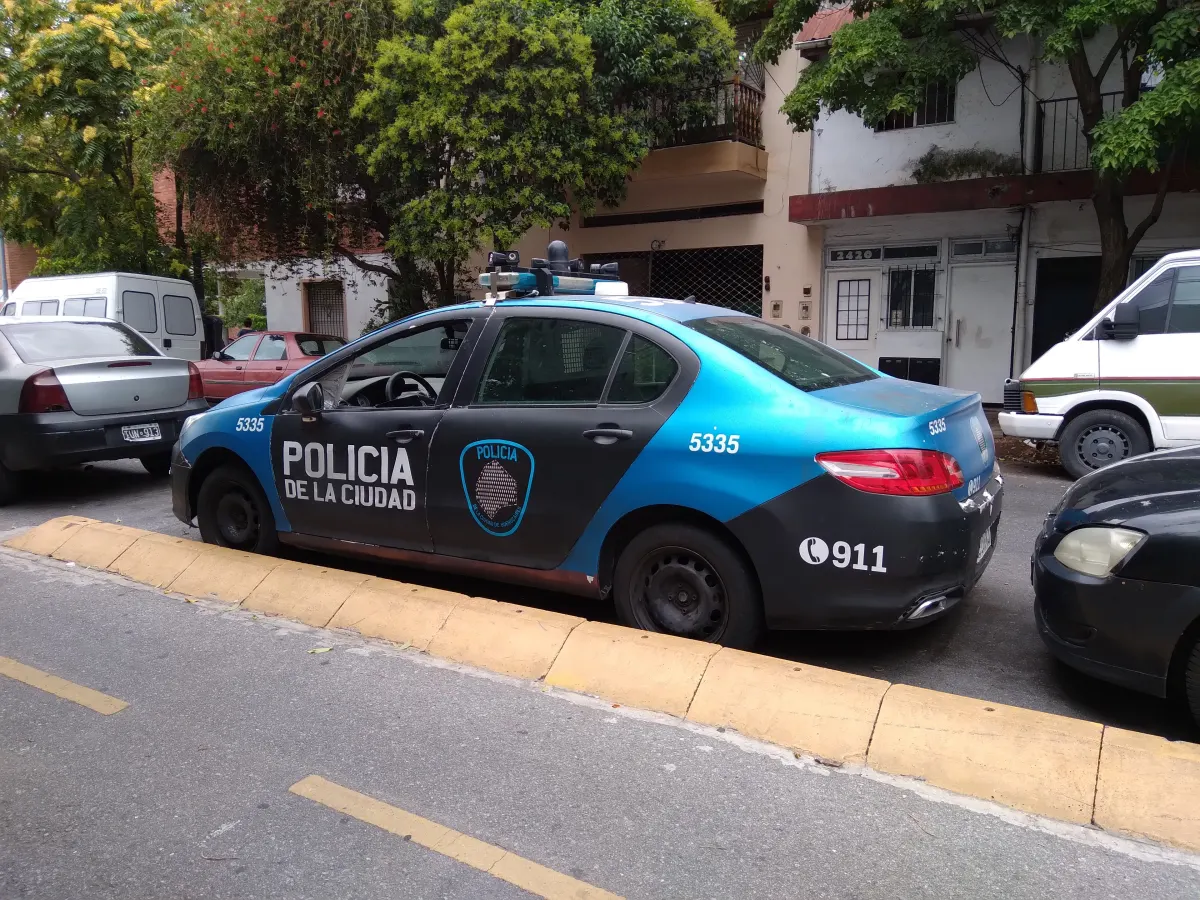
Argentina is one of the safer countries in South America, and most visits are trouble-free. What you're most likely to meet is theft, above all of phones, in Buenos Aires and the other big cities. Small towns and Patagonia are much quieter.
Phones and bags
- Motochorros, thieves on motorbikes, snatch phones and bags from people on the pavement. Keep away from the kerb, step into a shop to look at your map, and don't leave your phone on a café table, above all outdoors.
- Wear your bag across your body on the side away from the road, and keep it on your lap or looped round your leg in cafés. Bags are stolen from restaurants, hotel lobbies at check-in, and bus stations.
- In the subte and on buses, hold your phone and watch your pockets, and don't sit by an open door or window with your phone out.
- If someone tries to rob you, hand everything over. Some robbers are armed.
- Take a cheap watch and leave your jewellery at home. Keep your passport at your hotel and carry a copy, unless you'll need it.
The mustard scam and other tricks
- Mustard: someone squirts mustard, ketchup or something that looks like bird droppings on you. A friendly person points it out and helps you clean it, while a partner takes your bag. Say no, keep hold of your things and walk away.
- Distraction: people ask for directions, drop coins, or put a cloth, a pair of socks or a card on top of your phone on a table and take both.
- Notes: some taxi drivers and money changers swap your note for a fake and say that it was yours. Pay with small notes.
- New friends: don't accept drinks, food or cigarettes from people you've just met, and watch your glass. People have been drugged and robbed, including after inviting someone they met in a bar or on a dating app back to their room. Meet in public places.
Buenos Aires: where to take care
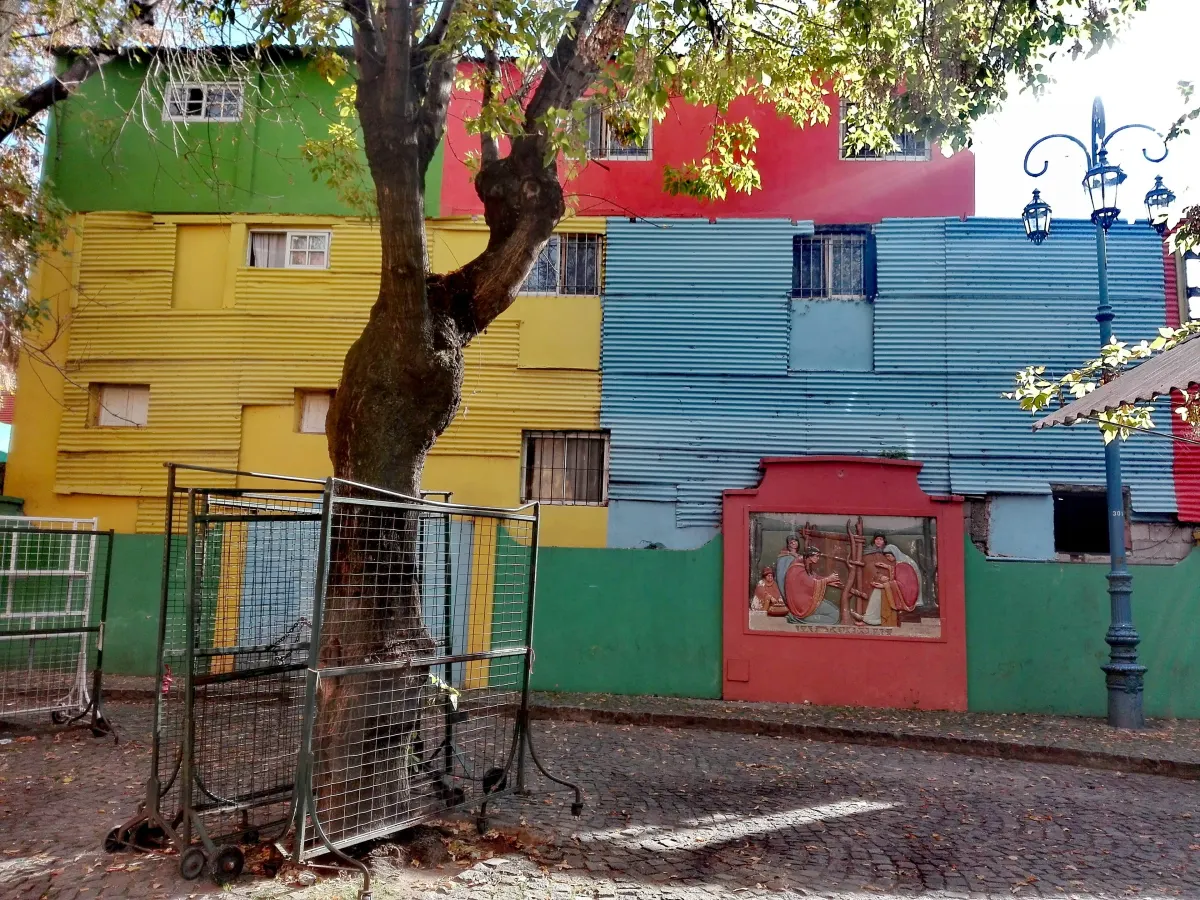
- La Boca: see Caminito and its coloured houses by day, keep to the few tourist streets with police, and come and go by taxi or app. Don't walk there from San Telmo, or wander off round the stadium. Don't go at night.
- Retiro, Constitución and Once: busy stations with pickpockets, and unsafe after dark. The shanty town behind Retiro's bus station, like any villa, is not a place to visit on your own.
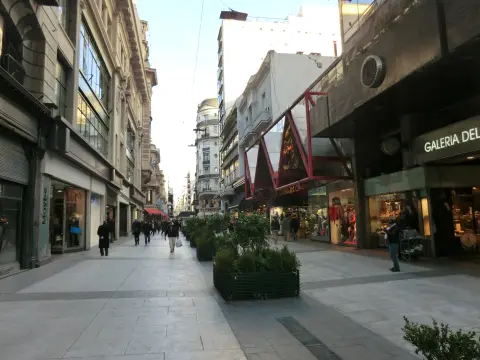
- Microcentro, Florida street, Plaza de Mayo, Congreso and the Obelisco: crowded and full of thieves by day, empty at night.
- San Telmo, Palermo, Recoleta and Puerto Madero are fine in the day and evening, but keep hold of your things, above all at San Telmo's Sunday fair, by Recoleta Cemetery, and in bars. The Ecological Reserve in Puerto Madero is best on a busy day.
Elsewhere
- Rosario has a problem with drug gangs and violent crime: take more care there.
- In Mendoza, watch for muggers in the centre and in General San Martín park at quiet times.
- In Bariloche and across the country, thieves break into hire cars at viewpoints and trailheads.
- The country round the borders of Misiones with Paraguay and Brazil is used for smuggling. Keep to the main roads there by day.
Taxis and cash machines
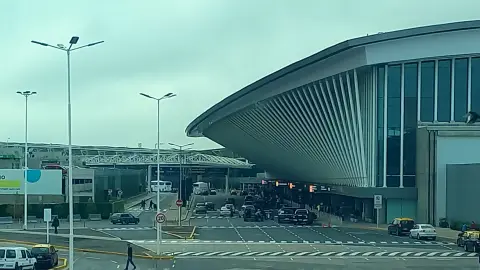
- Use a radio taxi, the BA Taxi app, or Uber, Cabify or DiDi, and at airports only the official desks or the apps. Don't share with strangers. Keep the doors locked and the windows up. See Getting around Argentina.
- Use cash machines in the daytime, inside a bank or shopping centre. Thieves sometimes follow people from banks and exchange offices.
- "Express kidnappings", in which someone is held for a few hours and made to empty their account, are rare, but they happen. Do what you're told.
Demonstrations, road blocks and strikes
- Demonstrations are frequent, above all round Congress, the Plaza de Mayo and the Obelisco, and some end in clashes with the police. Keep away from them.
- Piqueteros block roads, including the main ways into Buenos Aires. Never try to drive through.
- Strikes (paros) stop flights, trains and buses, usually with some notice. Check the news before travelling, and allow more time to get to the airport.
- There have been protests about the Falklands/Malvinas outside the British Embassy and companies linked with Britain. See Culture and etiquette.
- Football: violence between fans is common. Go with a local guide or a tour, sit in the seats rather than the popular terrace, and don't wear the rival team's colours.
Nature
- Get a forecast and register for serious walks. You'll usually have to pay for a helicopter rescue, including on Aconcagua, so check that your insurance covers it.
- Earthquakes can happen in Mendoza, San Juan, Salta and Jujuy. Volcanoes on the Chilean border sometimes erupt and disrupt flights. Wildfires close parks and roads in summer, and the north and Buenos Aires province have floods.
- The sea off Buenos Aires province has strong currents, and few lifeguards outside the summer.
Women and LGBTQ+ travellers
Women may get catcalls, but the big cities are generally easy. Take the same care at night as you would at home, and don't hike or hitchhike alone in remote places. Argentina was the first country in Latin America to allow same-sex marriage (in 2010), and Buenos Aires has a big, open gay scene.
Emergencies
- Police, fire or ambulance: 911 in most places. Ambulance: 107. Fire: 100. Police also: 101.
- Report thefts to the police and get a copy of the report (denuncia) for your insurance. Buenos Aires has a tourist police station, with staff who speak English.
Comments
No comments yet.