
Culture and etiquette in Argentina: late dinners, mate, greetings and the Falklands/Malvinas
Argentines are warm, talkative and curious about visitors. Manners are informal, and nobody will mind if you get something wrong. It helps to know about a few things: how late everything happens, how to share a mate, and which subject to handle with care.
Greetings
- People greet each other with one kiss, right cheek to right cheek, men and women, and often men and men among friends. It's a touch of cheeks, not a real kiss. A handshake is normal in business or with strangers.
- In a group, greet and say goodbye to everyone.
- Say buen día (good morning), buenas tardes or buenas noches when you go into a shop, a lift or a waiting room, before asking for anything.
- People stand close, touch your arm and interrupt. It shows interest. Frank remarks and nicknames about your looks (flaco, gordo) are usually meant fondly.
Time and late dinners
- Lunch is from about 1 pm, and dinner from 9 pm or later. Restaurants that open at 8 pm will be empty except for visitors; families with small children eat out at 11 pm.
- Fill the gap with the merienda at about 5 or 6 pm: coffee or mate with medialunas (small sweet croissants) or facturas (pastries).
- Bars get going at midnight, and clubs after 2 am.
- In the provinces, above all in the north, shops close for the siesta from about 1 pm to 5 pm, and some museums do too.
- If you're invited to someone's home, arrive 15 to 30 minutes late, with wine, ice cream or pastries. Be on time for tours and buses.
Mate
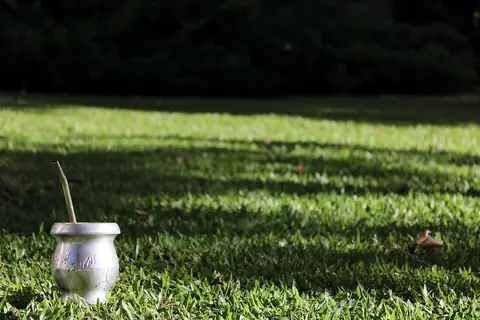
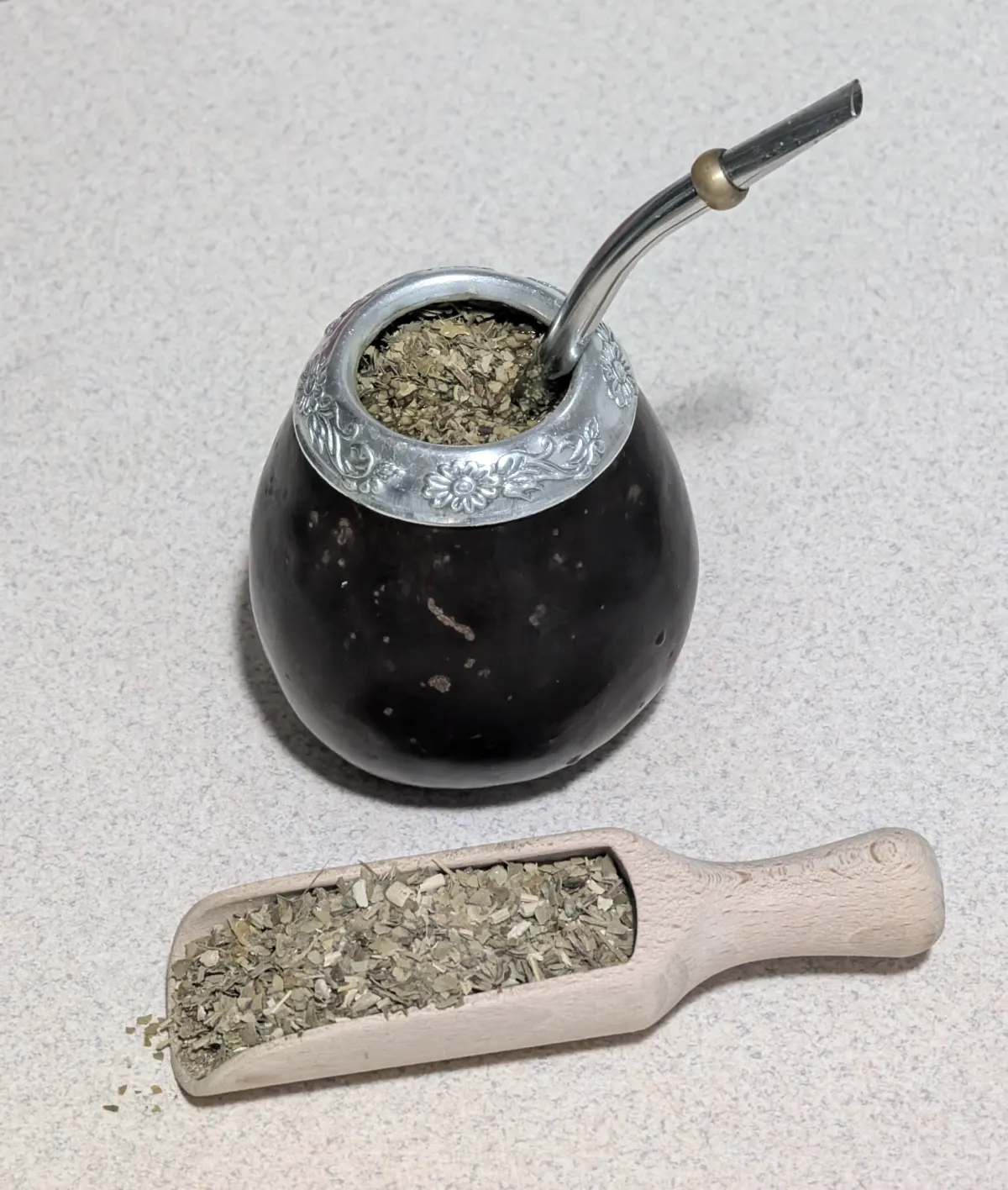
- Mate, a bitter tea of yerba leaves sipped through a metal straw (bombilla), is shared from one cup. The cebador fills it and passes it to each person in turn.
- Drink it all, until it gurgles, and hand it back to the same person. Don't stir it or move the straw.
- Say gracias only when you don't want any more.
- It's fine to say no. If someone has a cold, they won't expect to share.
Food and drink
Mate
Buenos Aires, Autonomous City of Buenos Aires
Bitter yerba mate tea sipped from a gourd through a metal straw and shared in a circle.
Language
- Argentines say vos instead of tú (¿de dónde sos?), che for "hey", and pronounce ll and y as "sh" in Buenos Aires: calle is "cashe".
- Avoid the verb coger, ordinary in Spain and rude here. Say tomar for a bus or taxi.
- English is spoken in hotels and by many younger people in Buenos Aires, and much less elsewhere. Any Spanish is appreciated.
The Falklands/Malvinas
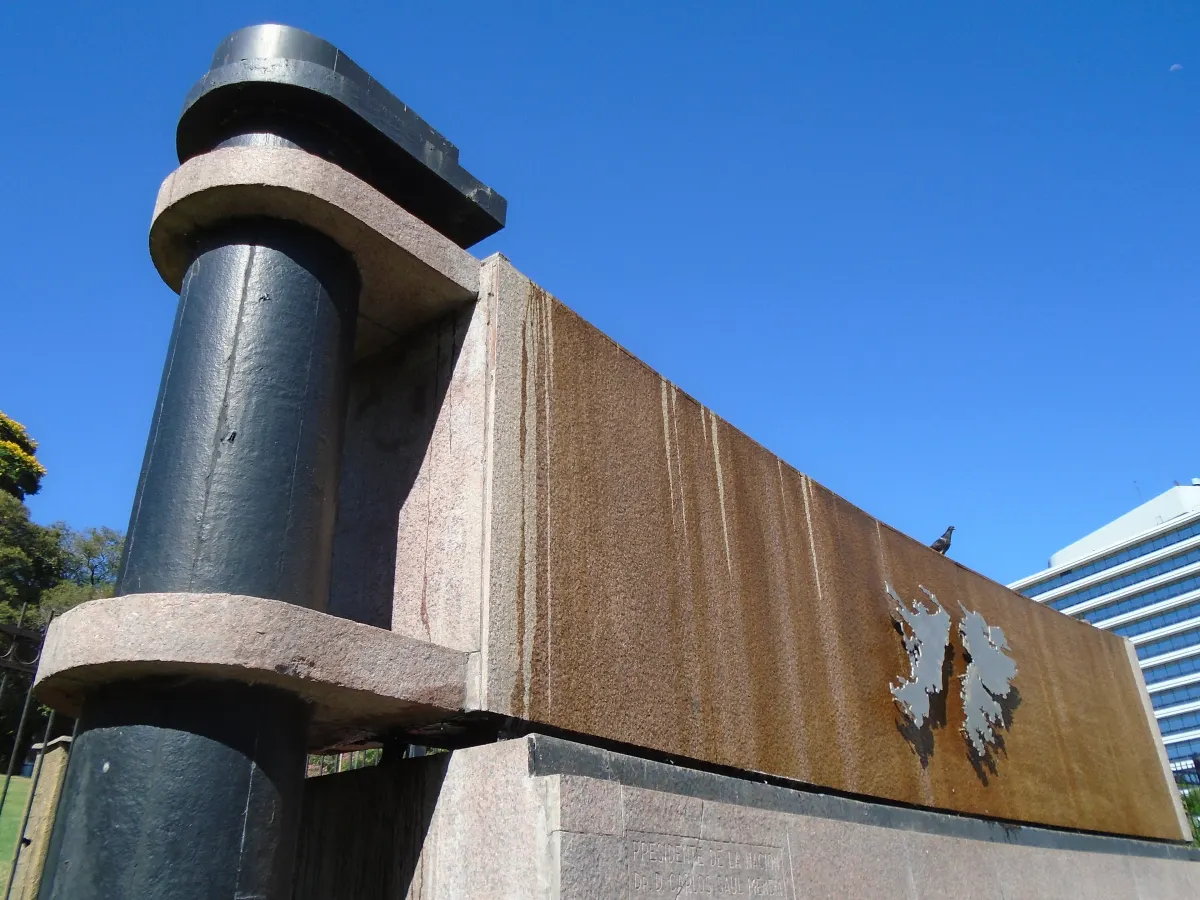
- Argentina claims the islands it calls the Islas Malvinas, and lost a war with Britain over them in 1982. You'll see road signs, monuments, murals and even banknotes and buses saying that Las Malvinas son argentinas.
- For many people it's a matter of grief as well as politics: over 600 Argentines died, many of them young conscripts. 2 April is a public holiday for the veterans and the dead.
- British visitors are made welcome, and few people will raise it. Don't start the subject, or argue about it. Listen if somebody wants to talk. Saying "Malvinas" is a courtesy in Spanish, and "Falklands" in a discussion can sound like picking a side.
- Don't wear or fly the British flag, and take care near demonstrations on 2 April and 10 June.
Politics, history and the dictatorship
- Argentines talk about politics, the economy and the price of the dollar all the time, and they disagree strongly. Peronism, and the governments of recent years, split families. Ask questions instead of giving opinions.
- Under the military dictatorship of 1976 to 1983, thousands of people were kidnapped, tortured and killed: the desaparecidos, the disappeared. Human rights groups put the number at 30,000. The Mothers of the Plaza de Mayo still march there on Thursday afternoons, and 24 March is a day of remembrance with big marches. The former ESMA navy school in Buenos Aires, a secret detention centre, is now a museum and a UNESCO World Heritage site.
- At the Museo Evita you can see why people still argue about Eva Perón.
- Indigenous peoples such as the Mapuche and the Kolla live here. Ask before you photograph people, markets and ceremonies in the northwest, above all Pachamama offerings in August.
Football, tango and gauchos
- Football is close to a religion. Argentina's World Cup win of 2022, Messi and Maradona are always a safe start to a conversation, but ask before guessing which club somebody supports.
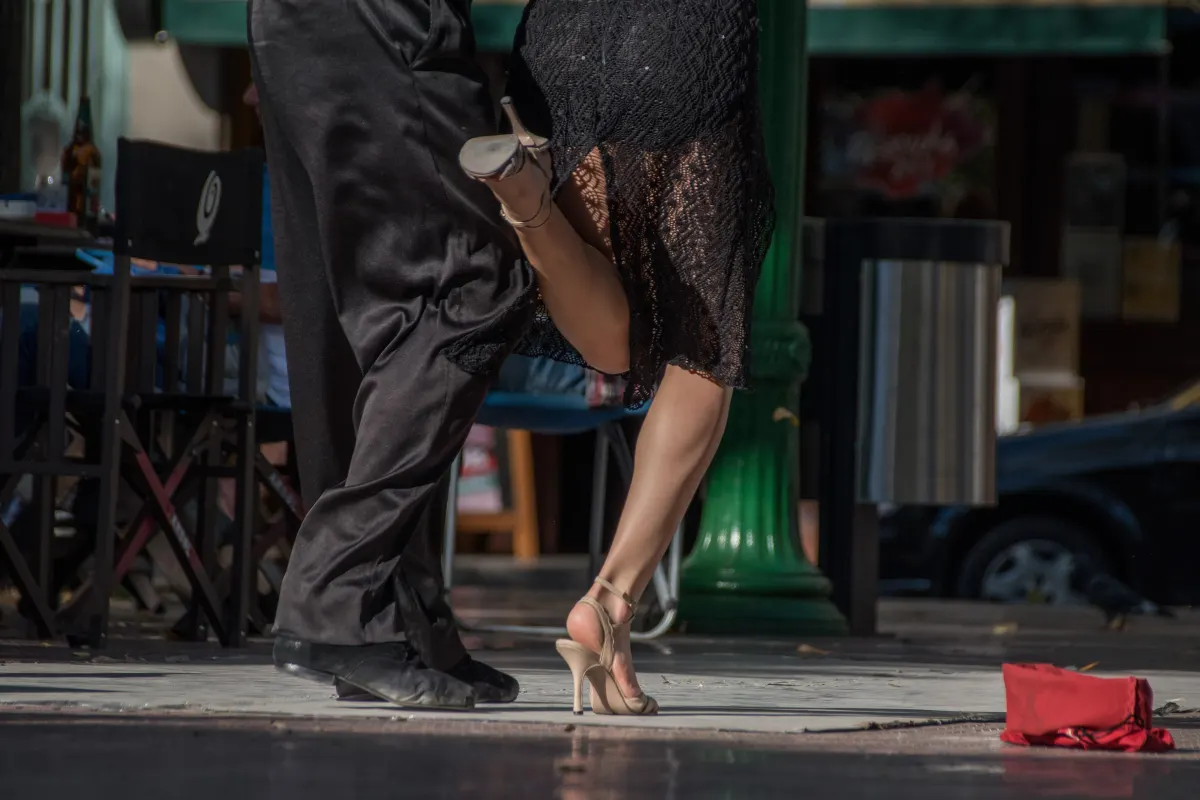
- At a milonga (tango dance hall), people are invited to dance by a look and a nod, the cabeceo, and dance in sets of three or four songs. Walk round the edge of the floor, not across it. Beginners can join the class that's often held before.
- Gaucho traditions are alive: see the Sunday fair at Mataderos in Buenos Aires (from about March to December), or a peña, a folk music evening, in Salta.
Everyday manners
- People queue, at bus stops too.
- In smart places and in the evening, Buenos Aires dresses up a little. Beachwear is for the beach.
- Smoking is banned indoors in public places.
- Don't call the United States "America": Argentines are Americans too.
- Same-sex couples are widely accepted in the cities, and a little less so in small towns in the north.
See also Food and drink and Money and tipping.

Comments
No comments yet.