
Getting around Argentina: flights, overnight buses, the SUBE card, taxis and apps, hire cars and Ruta 40
Argentina is the eighth-largest country in the world: Buenos Aires to Ushuaia is over 3,000 km by road. Most visitors fly the long legs, take a bus for the medium ones, and hire a car for Patagonia, the northwest or Mendoza's wine country.
Flying
- Aerolíneas Argentinas has the biggest network, and JetSMART is the main low-cost rival. Most routes start at Aeroparque in Buenos Aires, but there are some useful flights that don't go through the capital, such as El Calafate to Ushuaia or Bariloche, and Salta to Iguazú or Mendoza.
- Flybondi, the other low-cost airline, hasn't flown since early August 2026 after months of cancellations. Don't book it unless you're sure that it's flying again.
- Book early for December to February, Easter and the July school holidays. Check the baggage rules: the cheapest fares include very little.
- Strikes and fog in Buenos Aires can disrupt flights. Don't plan a domestic flight on the same day as your flight home, unless it's all on one ticket.
Overnight buses
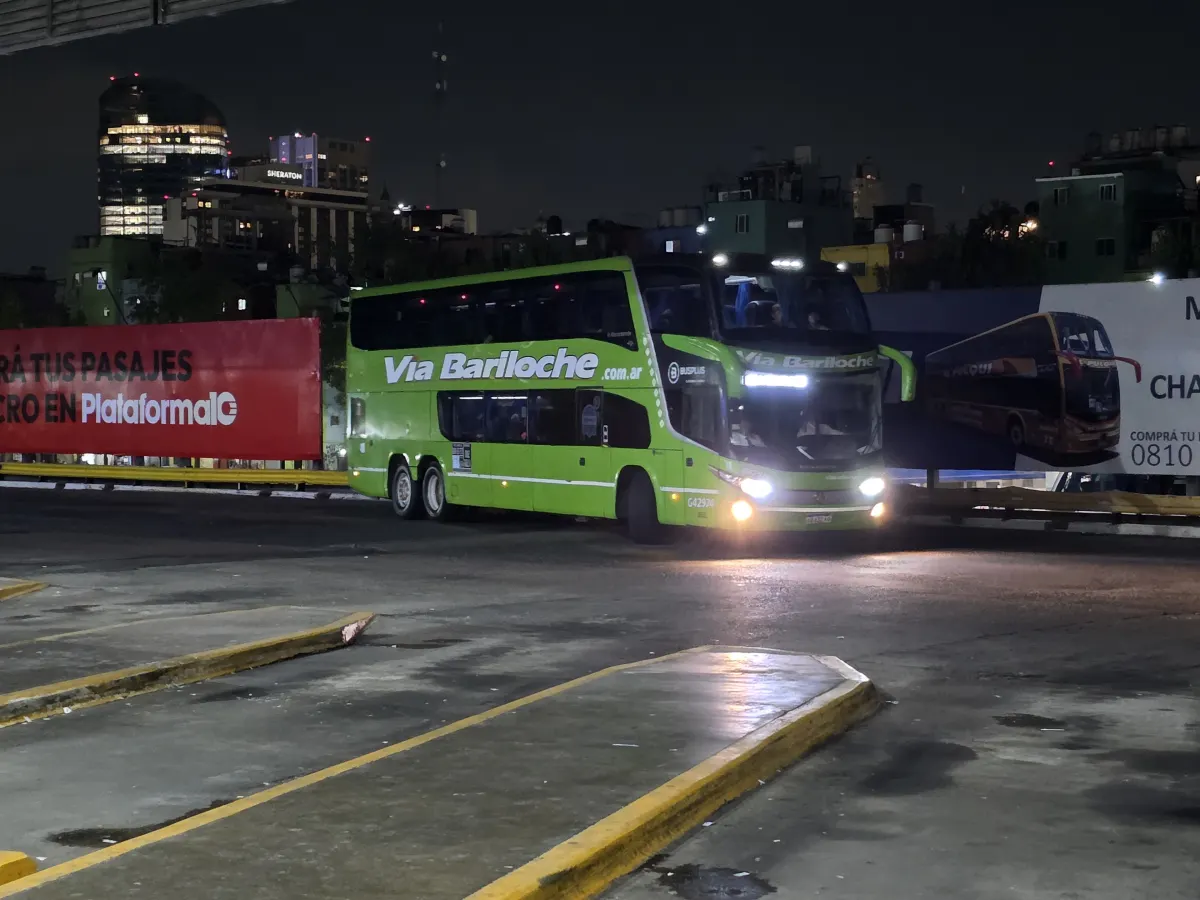
- Argentina's long-distance buses (micros) are some of the most comfortable in the world. Semi-cama seats recline a fair way, cama or ejecutivo seats are wide and recline much further, and suite seats lie flat. Meals are often included on long trips.
- Rough times from Buenos Aires: Iguazú 18 hours, Mendoza 14, Salta 20, Bariloche 22. A flight is often not much dearer.
- In Buenos Aires most buses leave from the big terminal at Retiro. Watch your bags there, and take a taxi or app car at night: the area around it isn't safe.
- Book on the bus companies' own sites, at the terminal, or on ticket sites such as Plataforma 10 and Central de Pasajes. Bring your passport.
- In Patagonia, buses link El Calafate with El Chaltén (about three hours), Puerto Natales and Río Gallegos. Many run only, or more often, from October to April.
Trains
There are few long-distance trains, and they're cheap and slow. Suburban trains from Buenos Aires are useful, above all the line from Retiro to Tigre and its river delta. Some tourist trains are sights in themselves, such as the Tren a las Nubes near Salta and La Trochita, the old narrow-gauge steam train at Esquel.
Buenos Aires: the SUBE card and contactless
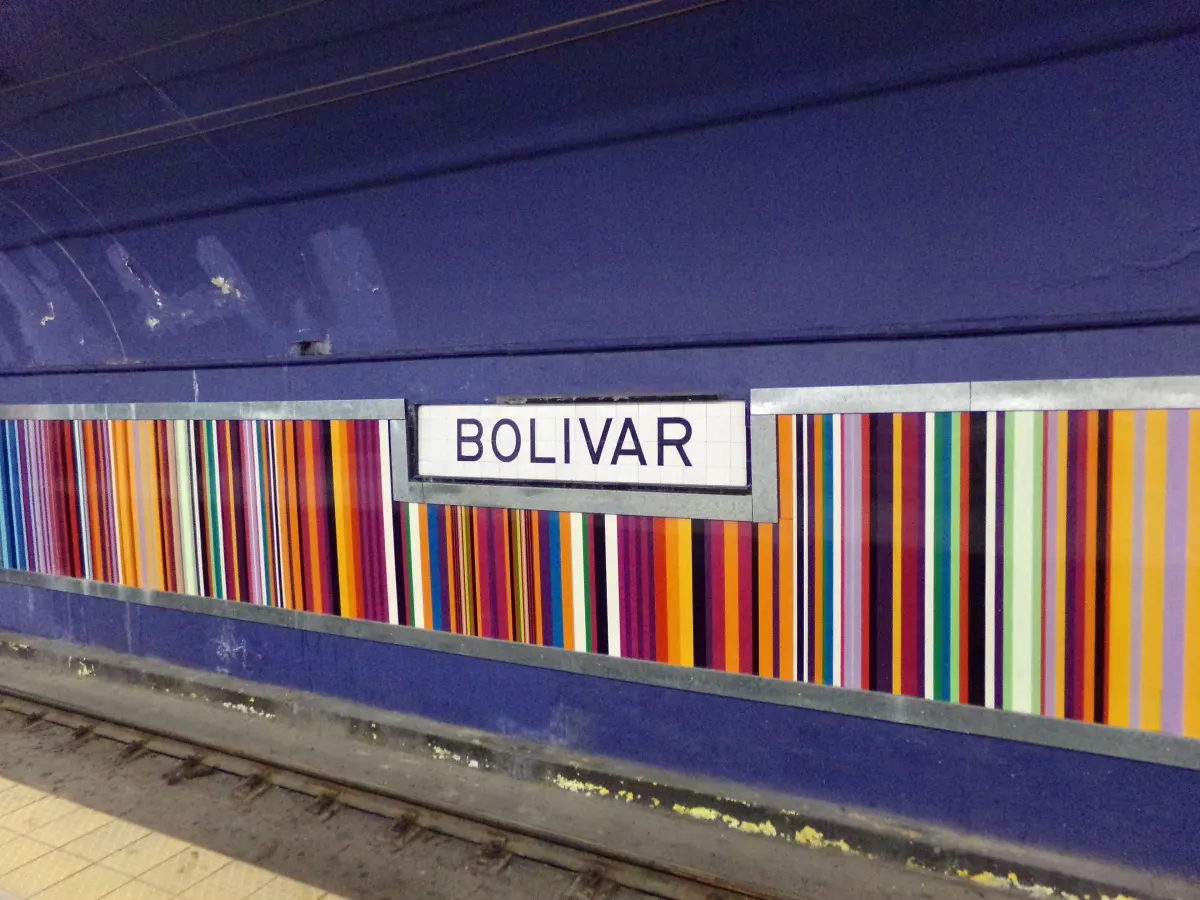
- Buses (colectivos), the subte (underground) and suburban trains all take the SUBE card. Buy one at a kiosk or a subte station and load it there, or at machines. Several people can share a card.
- SUBE cards that aren't registered in someone's name pay a higher fare.
- You can now also pay with a contactless Visa or Mastercard, or your phone, on the subte and on the city's buses, at the same fare as a registered SUBE. Suburban trains were still being fitted with the readers in September 2026, so have a SUBE for those. Not every foreign card works, so keep a SUBE as a backup.
- On a bus, tell the driver where you're going (or the fare) before you tap.
- SUBE also works on buses in many other cities, including Bariloche, Ushuaia and Mar del Plata.
Taxis and apps
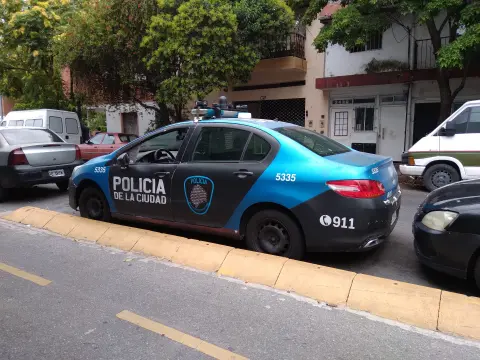
- Taxis in Buenos Aires are black and yellow, with meters. Hail one that says radio taxi on the doors, or better, order one by phone or with the city's BA Taxi app. Pay with small notes and check your change.
- Uber, Cabify and DiDi are widely used and usually cheaper. Drivers sometimes ask you to sit in the front. The rules for them are still being argued over in Buenos Aires, but using them isn't a problem for passengers. Check the plate and the driver's name before you get in.
- Elsewhere, a remis is a car with a driver and a price agreed in advance. Hotels can call one.
Hiring a car
- You need your licence and, for some nationalities, an International Driving Permit: the UK government says British drivers need the 1949 version. It's wise for everyone to carry one, because police checks on the main roads are common.
- Alcohol: the limit is zero on national roads and in most provinces. Buenos Aires city still has a low limit for car drivers, but the safe answer is none.
- Keep your headlights on on main roads, day and night.
- Many toll roads around Buenos Aires read an electronic tag (TelePASE) and don't take cash: ask the hire company how it charges you.
- Leave nothing in the car, even in the boot. Thefts from hire cars are common, notably in Bariloche and at viewpoints.
- Check what the insurance excess is for windscreens, tyres and rolling the car on gravel, and ask early if you want to take the car into Chile. One-way hire is expensive.
- Don't try to cross a road block (piquete) by demonstrators. Wait or turn round.
Driving Ruta 40
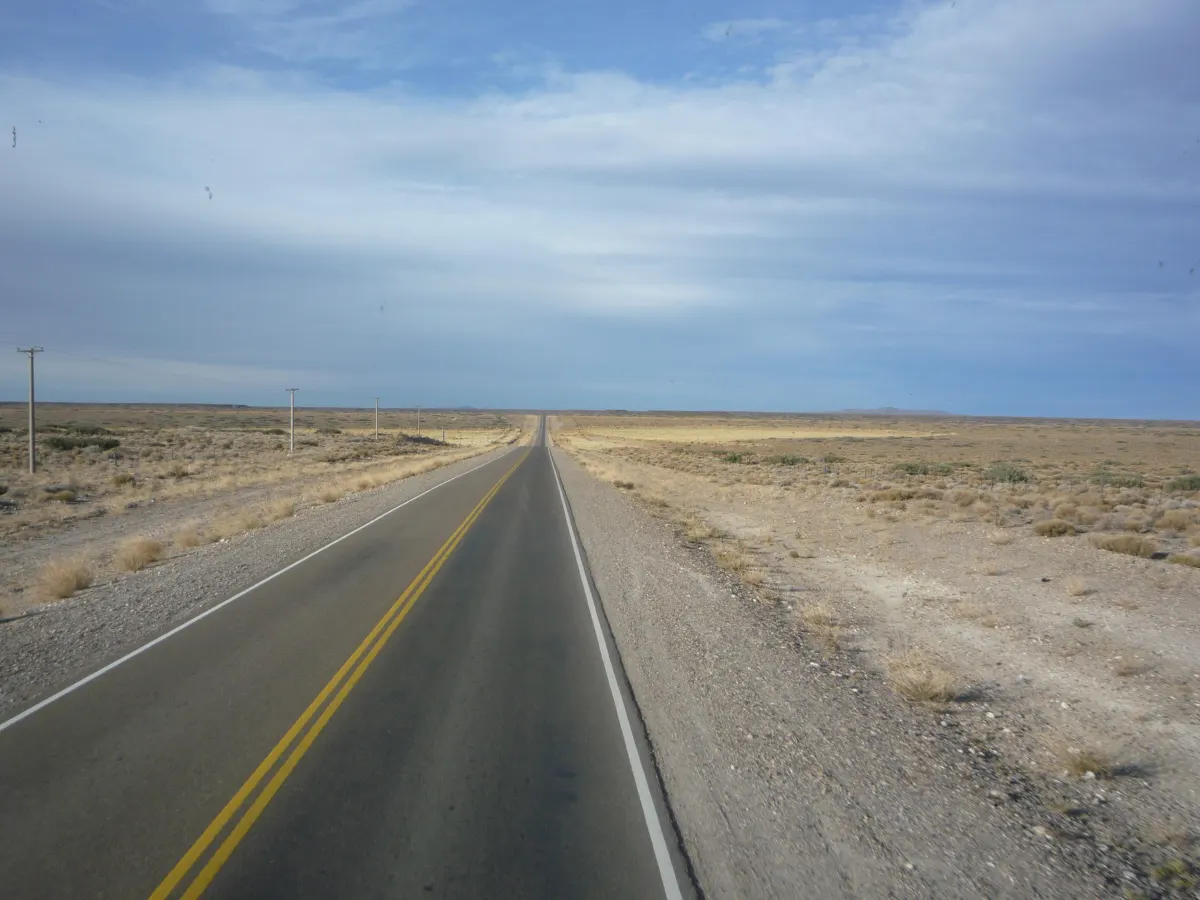
Ruta Nacional 40 runs for over 5,000 km down the Andes, from the Bolivian border to the far south, past Salta's valleys, Mendoza's vineyards, the Lake District and the empty steppe of Patagonia.
- Most of it is now paved, but there are still gravel (ripio) stretches, including in the northwest and between Gobernador Gregores and Tres Lagos in Patagonia. Ask about the road before you set out.
- On gravel, slow down to 60 km/h or less, leave a big gap, and don't brake or turn sharply. Flying stones break windscreens.
- In Patagonia, fill up at every town: there can be 200 km or more between petrol stations, and they sometimes run out. Carry water, food and a spare tyre.
- Wind can tear a car door off its hinges. Park facing into it, and hold the door as you open it. Watch for guanacos and sheep, and avoid driving at dusk and at night.
- There's no phone signal for long stretches: download maps and tell someone your plan.
See also Patagonia: parks, tickets and trails and When to go.
Comments
No comments yet.