
Health and insurance in Argentina: hospitals, yellow fever, dengue, hantavirus, altitude and the sun
You can drink the tap water in most towns, the private hospitals in Buenos Aires are very good, and few visitors get anything worse than an upset stomach. But the country stretches from the tropics to the sub-Antarctic, so the health risks depend on where you're going. See your doctor or a travel clinic at least six to eight weeks before you go.
Insurance and paying for treatment
- Get insurance with medical treatment, repatriation and, if you're walking or climbing, mountain rescue by helicopter. Argentina passed a rule in 2025 that visitors must have health insurance. It wasn't being enforced at the border at the time of writing, and a court has ruled against it: see Arriving in Argentina.
- Since 12 August 2026, hospitals run by the national government give non-emergency treatment to people who aren't permanent residents only if they have insurance or pay first. The city of Buenos Aires and provinces including Salta, Jujuy, Mendoza and Santa Cruz (El Calafate and El Chaltén) charge foreigners under their own rules.
- Emergency care can't be refused to anyone. You may be billed afterwards.
- Most visitors use a private hospital or clinic, where doctors often want to be paid straight away. Call your insurer's assistance number first if you can: it will tell you where to go and may pay directly. Keep the receipts.
- Outside the cities, care is limited. El Chaltén has only a small health post, and serious cases go to El Calafate or further.
Vaccinations
- Be up to date with your routine vaccinations, including measles. Hepatitis A is recommended for most travellers, and hepatitis B, typhoid and rabies for some.
- Yellow fever: recommended for Iguazú and the rest of Misiones and for Corrientes, and for parts of the far north. You don't need it for Buenos Aires, Patagonia, Mendoza or the cities of the northwest. Argentina doesn't ask for a certificate, but other countries may if you come from here.
- Argentina has been free of malaria since 2019.
Dengue and other mosquito illnesses
- Dengue occurs in the northern half of the country, including Buenos Aires, mostly from November to May, with big outbreaks in some years. Chikungunya and Zika are found too. Pregnant travellers should get advice.
- Use repellent in the daytime as well as at dusk, and cover up. In summer, repellent can sell out, so bring your own.
- Chagas disease is spread by an insect in poor rural houses in the north. The risk to visitors is very low.
Hantavirus
- This rare but serious illness is caught mainly by breathing in dust from the droppings of wild rodents. It's found in the Andean forests of Patagonia, round Bariloche, El Bolsón and Esquel, and also in the northwest, the northeast and Buenos Aires province. The 2025–26 season had more cases and deaths than usual, about 100 cases nationwide. The Patagonian strain can also pass between people.
- Air out cabins that have been shut up for half an hour before you go in, and don't sweep up dust dry: wet it first with diluted bleach.
- Camp in a tent with a sewn-in floor, away from scrub, woodpiles and rubbish. Keep food in sealed containers, stay on the paths and don't drink from streams near droppings.
- If you get a fever, aching muscles, sickness or difficulty in breathing up to six weeks or so afterwards, see a doctor at once and say where you've been.
Altitude
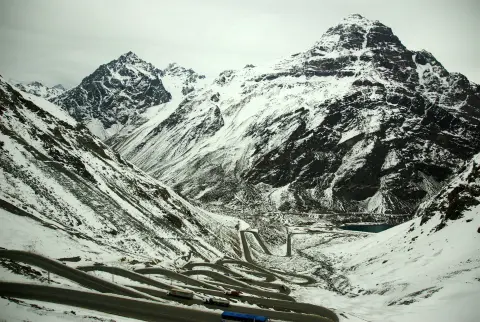
- In the northwest, Purmamarca is at about 2,300 m, Humahuaca 3,000 m, and the Salinas Grandes and the high passes between 3,400 and over 4,100 m. Go up gradually, take it easy for the first day or two, drink water, and go easy on alcohol. If a headache gets worse or you become confused or breathless at rest, go down.
- Local people chew coca leaves or drink coca tea. Both are sold openly in the northwest, but don't take any home.
- Aconcagua, at 6,961 m, kills climbers most years. Even the walk to base camp needs time to acclimatise.
Sun, cold and heat
- The sun is fierce: the ozone layer is thin over the far south in spring, and the altitude makes it stronger in the Andes. Use high-factor sun cream, a hat and sunglasses, even when it's cold.
- In Patagonia, wind and rain can cause hypothermia in midsummer.
- Heatwaves of over 40 °C hit the north and the centre between December and February.
Food, water and animals
- Tap water is safe in Buenos Aires and most towns. In the far north and in remote places, drink bottled, boiled or filtered water.
- Rabies exists in bats and some other animals. Wash any bite or scratch, including from a coati or a dog, for 15 minutes with soap, and see a doctor the same day.
Pharmacies and medicines
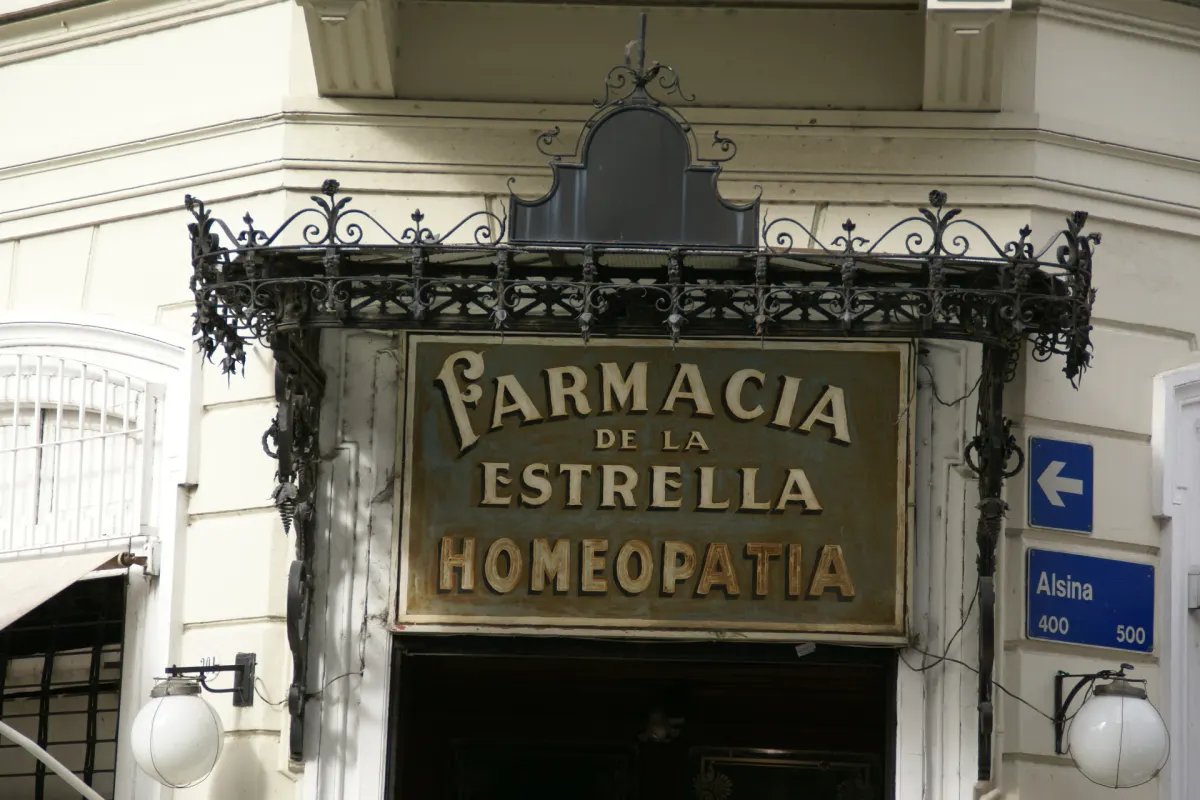
- Pharmacies (farmacias) are everywhere, and one nearby is always open at night (farmacia de turno). Antibiotics and many other medicines need a prescription.
- Bring enough of your own medicine, in its packaging, with a copy of your prescription and its generic name.
Emergency numbers
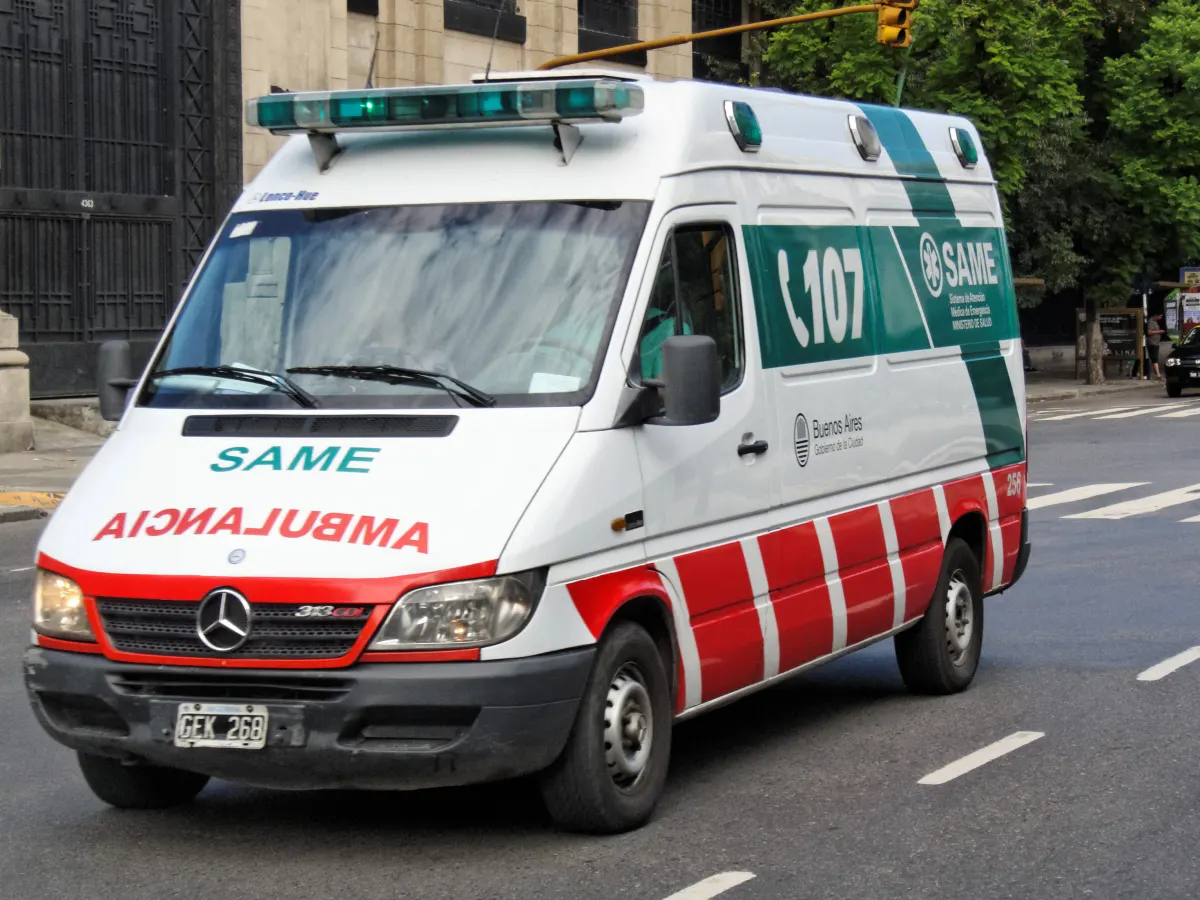
Ambulance: 107 (in Buenos Aires and many other places) or 911. Police: 911 or 101. Fire: 100. See also Safety in Argentina.
Comments
No comments yet.