
Safety in Denmark: pickpockets, the terror threat, gangs, night life, scams, storms and who to call
Denmark is one of the safest countries you can visit. What happens to visitors is that a phone or bag goes missing, or that they step in front of a bicycle.
Pickpockets
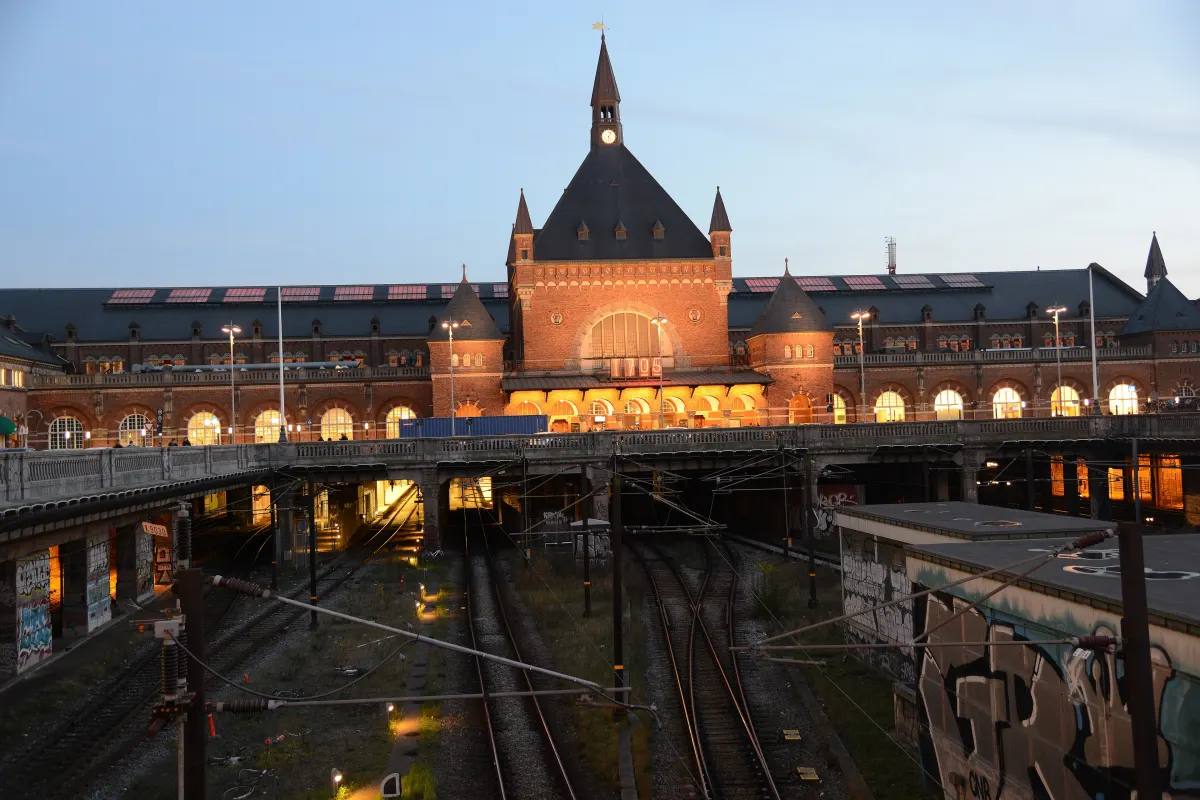
- They work in Copenhagen, above all: the Central Station, Nørreport, Strøget, Nyhavn, Kongens Nytorv, Christiania, the airport, and trains to and from it. Summer and December are worst.
- In hotel lobbies and breakfast rooms, well-dressed thieves take bags from under chairs. Keep yours between your feet.
- On trains, don't put a bag with your passport on the rack over your head.
- Tricks: a spilled drink, a map, help with a ticket machine, a crush at the train door.
- Bicycles are stolen everywhere. Lock the frame to something.
Terrorism
- The intelligence service, PET, puts the threat at level 4 of 5 (significant), and said in May 2026 that its nature had changed, with states such as Iran playing a larger part. Jewish and Israeli places are a special concern, and have guards.
- Canada advises a high degree of caution because of it, as it does for many countries in Europe. Britain says attacks can't be ruled out.
- There are concrete blocks at markets and armed police at some events. Follow what they say, and leave bags at home if you're going to one.
Gangs
There are shootings between gangs now and then, in parts of Nørrebro, Brønshøj-Husum and other suburbs, and in the past in Christiania. Visitors aren't the target. By day these are ordinary, lively parts of town. If there's police tape, go another way. Police may search people in some zones: see Laws.
Going out
- Trains, the metro and streets are safe at night by most people's standards. The streets behind the Central Station (Istedgade) have drug users and some prostitution, and look worse than they are.
- Women travel alone without trouble. Don't leave a drink. In clubs, staff are trained to help if you ask.
- LGBT+ travellers: Denmark had the first registered partnerships in the world, in 1989. Pride is in August in Copenhagen, and holding hands raises no eyebrows in most places.
- Racism exists, more in words than in deeds. It's a crime, and can be reported.
- Water: people fall into harbours on the way home, and die. Walk away from the edge.
Scams
- Holiday lets and tickets that don't exist, paid by bank transfer. Book through a known site, and pay by card.
- Fake ETIAS sites: see Arriving.
- Fake officials who want to see your wallet. Real police show a card, and never ask for your PIN.
- QR codes stuck over the real ones on parking machines. Use the app.
- Parking in private lots isn't a scam, though it feels like one. See Driving.
Nature
- The sea is the most dangerous thing here: see Beaches and the sea. The tide in the south-west comes in fast.
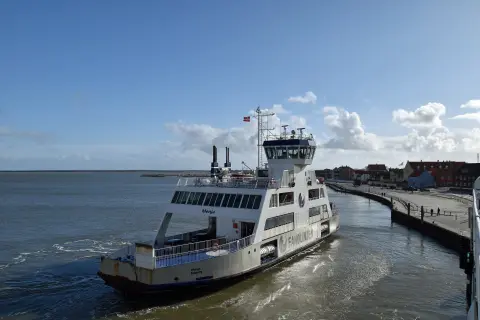
- Storms from October to March shut bridges and ferries, and bring water into towns on the fjords. DMI, the weather service, gives warnings in yellow, orange and red.
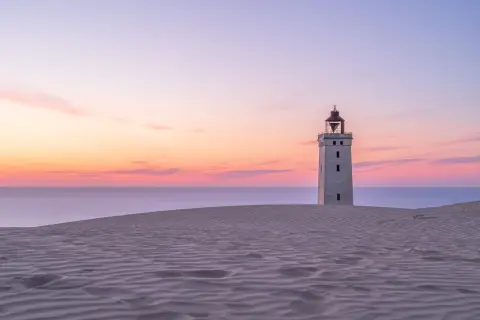
- Cliffs at Møns Klint, Stevns and Rubjerg fall without warning, most after rain and frost. Keep back from the top, and from the foot. Don't climb.
- Fire: look for a ban in dry summers. See Access rights.
- Old ammunition washes up on the west coast, and lies in dunes round the bunkers. Don't touch it: 114, or 112 if it's being handled.
Demonstrations and warnings
Marches are common and nearly always peaceful. Stay out of them. If sirens sound, go indoors. The phone warning is explained in Phones.
Who to call
- 112: emergencies. 114: police, not urgent, and to report a theft. You can also do it at politi.dk, and will need the report for insurance.
- Lost things: the police (hittegods), DSB, and Movia for buses, each have their own office.
- Cards: call your own bank.
- Passport: your embassy, in Copenhagen, mostly in Østerbro.

Historic sites
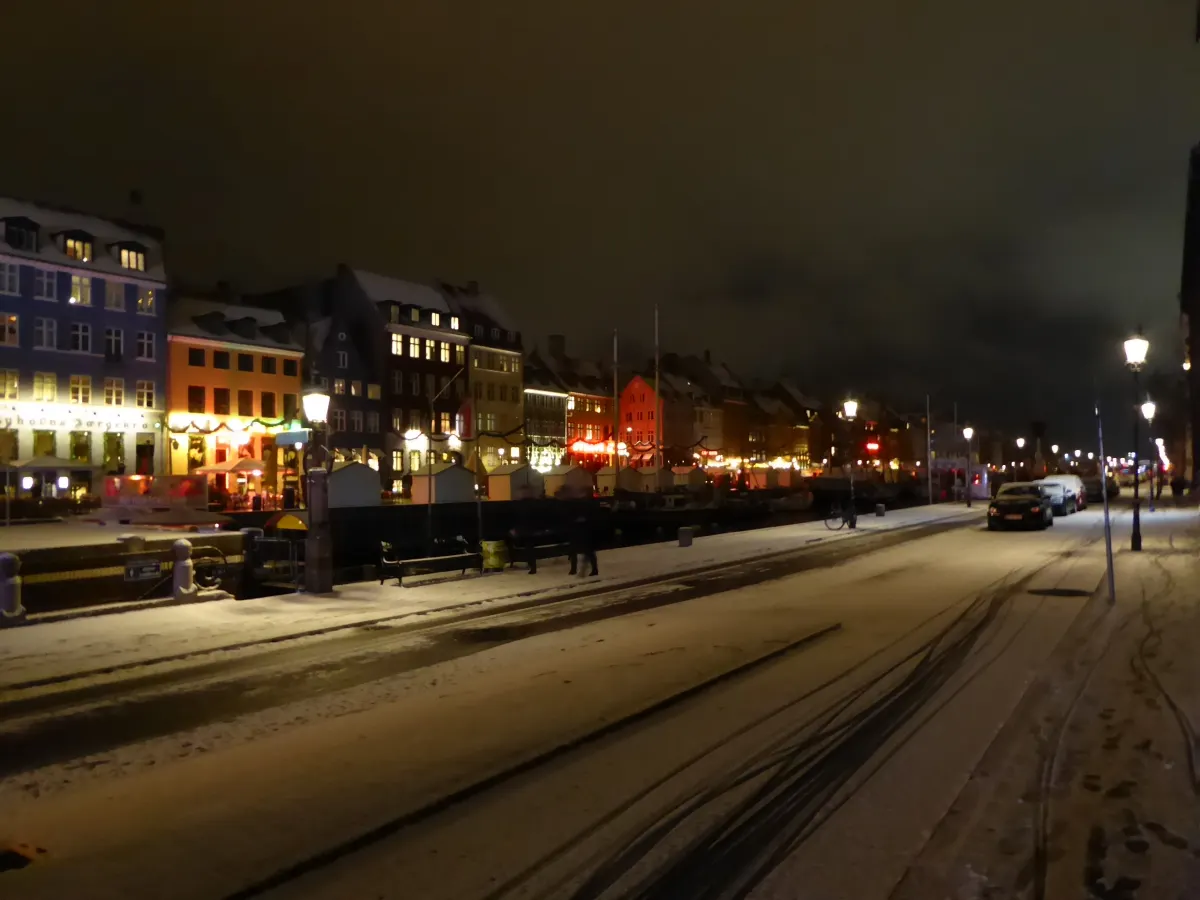
Nyhavn, Copenhagen
Copenhagen, Capital Region of Denmark
A 17th-century canal harbour lined with brightly painted townhouses, old wooden ships and busy cafés, the postcard view of Copenhagen.
Comments