
Ferries in Denmark: Bornholm, Ærø, Samsø, Fanø, Læsø, the Kattegat and boats to Germany, Sweden and Norway
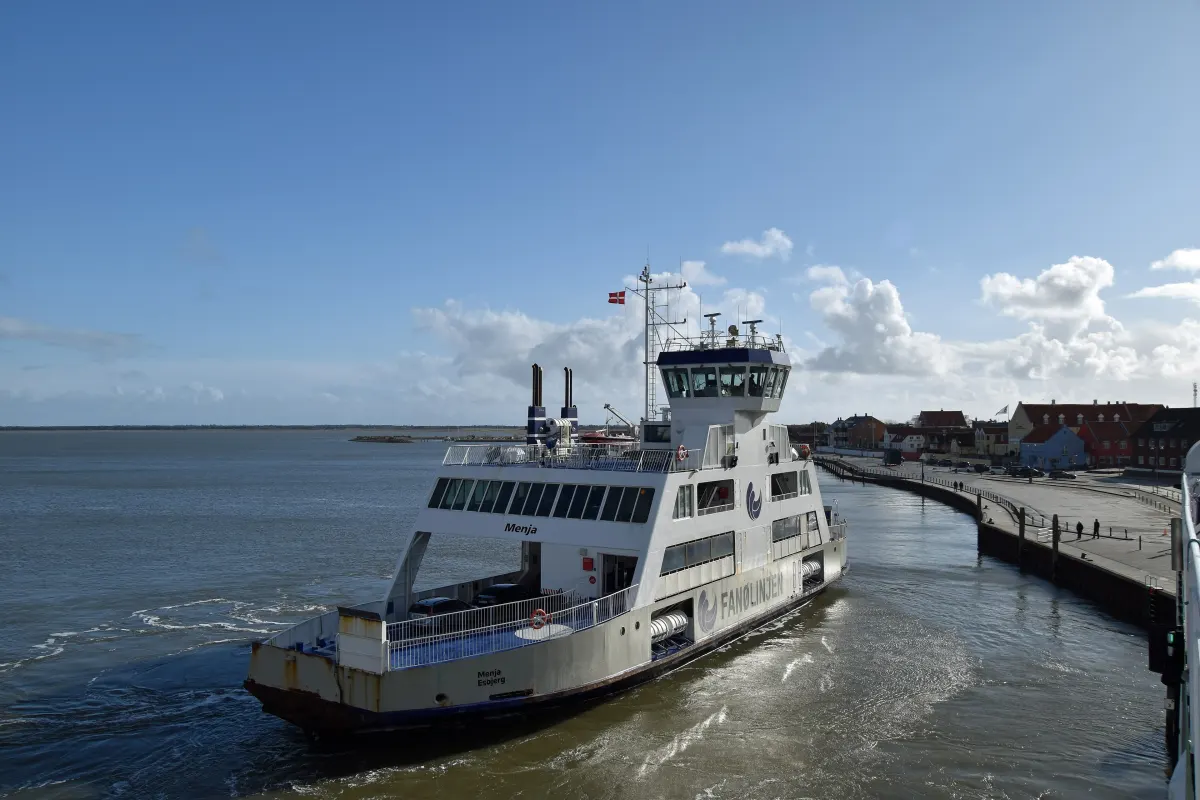
Denmark has more than 400 islands with names, and about 70 that people live on. Bridges reach the large ones. For the rest you take a boat, and the crossing is often the best hour of the day.
Bornholm
- The island is nearer to Sweden than to Denmark. The quick way is from Ystad in Sweden, 80 minutes to Rønne by fast ferry, up to several times a day.
- Without a car: DSB sells one ticket from Copenhagen to Rønne, with the train to Ystad, the ferry and its seat, and it can be refunded. It takes 3 to 3½ hours in all. You go through Sweden: bring a passport or identity card.
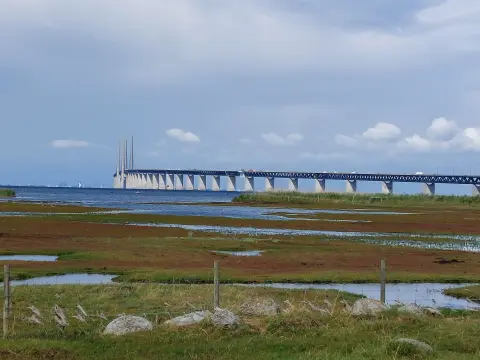
- With a car: drive over the Øresund Bridge to Ystad, or take the slow boat from Køge, south of Copenhagen, 5½ hours, overnight one way, with cabins.
- Both are Bornholmslinjen, which also sails from Sassnitz in Germany in the season. The cheapest fares from Ystad start at 99 kroner. Prices are highest from 14 June to 15 August 2027, and cars sell out for July.
- Buses (BAT) go round the island, and there are more than 200 km of cycle paths.
Ærø
- Svendborg to Ærøskøbing: 75 minutes, up to 12 a day. Trains from Odense run to Svendborg, and the pier is five minutes' walk from the station.
- Faaborg to Søby and Fynshav to Søby: shorter lines, the second one from Als, for people who come from the south. All three are Ærøfærgerne.
- A single from 5 January 2027 is 73 kroner for an adult (68 before that), 26 for a bicycle and 152 for a car, without the driver. Everybody pays in advance, online. Book a car early for weekends and July.
- Rudkøbing (on Langeland) to Marstal: 50 minutes with ÆrøXpressen, another company, with another ticket.
- The island's own buses have been free for years.
Other islands
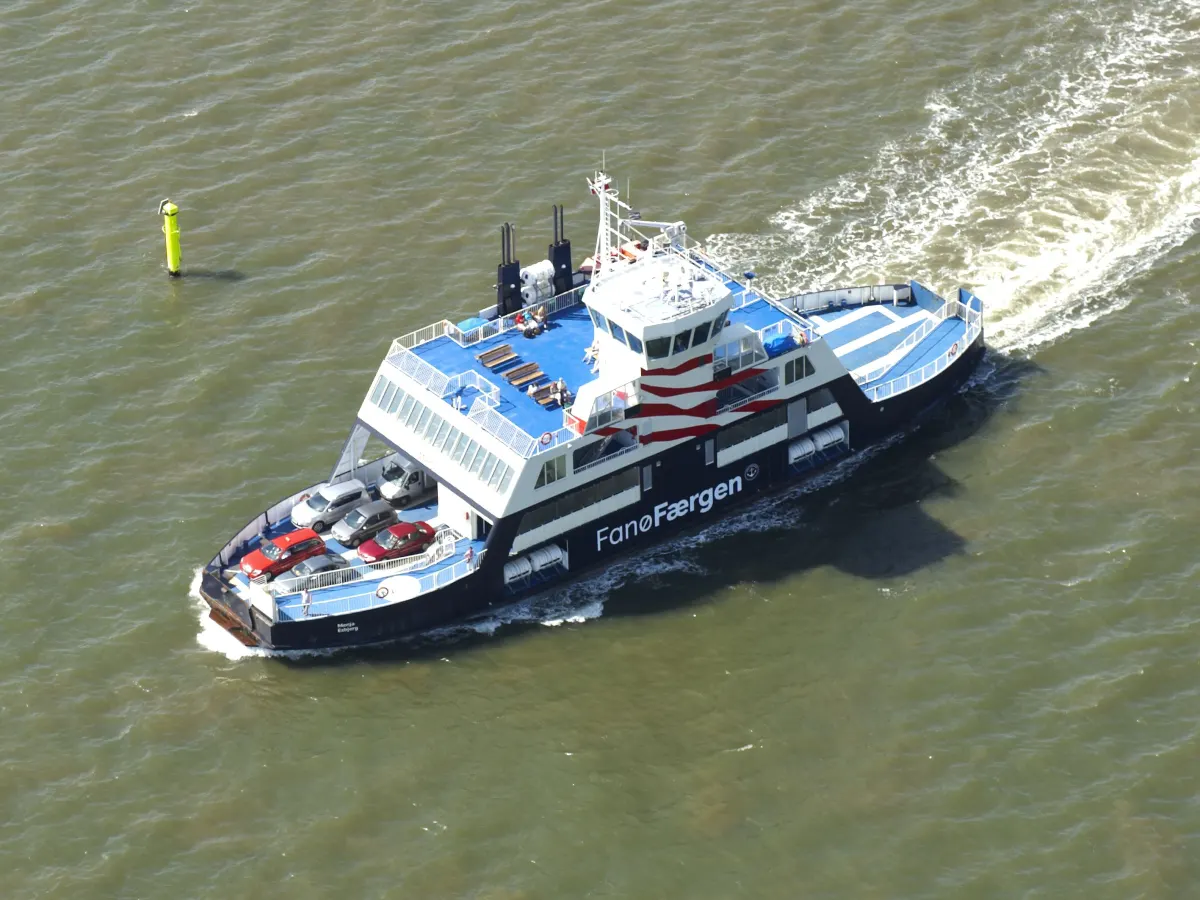
- Fanø: 12 minutes from Esbjerg, every half-hour or so. No need to book on foot. Children go free and bikes are free. A car costs a few hundred kroner return, and you don't need one.
- Samsø: an hour and a quarter from Kalundborg (trains from Copenhagen) to Ballen, and an hour from Hou, south of Aarhus, to Sælvig. Cheapest fares from 99 kroner.
- Læsø: 1½ hours from Frederikshavn. The price is the same all year, but in 2027 there are more than 100 cheaper departures from March to September, about 200 kroner off each way.
- Anholt: three hours from Grenaa, for sand and silence. Not every day.
- Mandø has no ferry: you cross the seabed. See Beaches and the sea.
- Little islands south of Funen (Strynø, Drejø, Avernakø, Lyø): small municipal ferries from Rudkøbing, Svendborg and Faaborg. In winter, foot fares to small islands are often cut or free: look at the line's site.
Over the Kattegat
Molslinjen's fast catamarans go from Sjællands Odde to Aarhus in about 75 minutes, instead of the drive by Funen. Cars from 249 kroner booked early, with everybody in it, and up to several times that on a Friday.
To Sweden, Germany and Norway
- Helsingør to Helsingborg: 20 minutes, day and night. Danes used to go for the shopping and stay on board for the lunch.
- Rødby to Puttgarden: 45 minutes with Scandlines, every half-hour. The tunnel that will replace it isn't expected to open to cars before 2031 or 2032. Gedser to Rostock: 2 hours.
- Copenhagen to Oslo: overnight, every day, with Go Nordic Cruiseline, which took it over from DFDS in 2024.
- Frederikshavn to Gothenburg and Oslo, and Hirtshals to Norway (Kristiansand, Larvik, Stavanger and Bergen).
- Hirtshals to the Faroe Islands and Iceland: Smyril Line, once a week or so, two or three days. There's no ferry to Greenland.
- Passports: see Arriving. Ferries from Norway count as from outside the EU for customs.
Good to know
- Check in 10 to 30 minutes before, as the ticket says. Late cars lose their place.
- Fast ferries are cancelled in strong wind, mostly from October to March. Don't put a flight on the same day.
- Small boats have a hot-dog counter at best. Bring a jumper: it's always colder on deck.
See also Funen, Ærø and Aarhus.
Natural features
Wadden Sea National Park
Southern Denmark
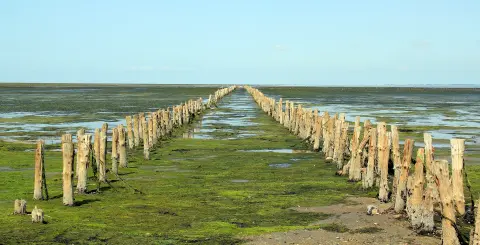
Tidal flats and islands, a World Heritage site, with oyster safaris at low tide, seals, and 'black sun' starling murmurations in spring and autumn.
Comments