
Eight days in Funen, Ærø and Aarhus: Odense, Egeskov Castle, Svendborg, Ærøskøbing, Aarhus and Mols Bjerge
This is the soft middle of Denmark: half-timbered houses, orchards, small ferries and the country's second city, where the food's as good as in the first, and cheaper. No car needed.
Map of the route
Train from Copenhagen to Odense, about 158 km
Train from Odense to Svendborg, about 49 km
Kværndrup station to Egeskov, about 4 km
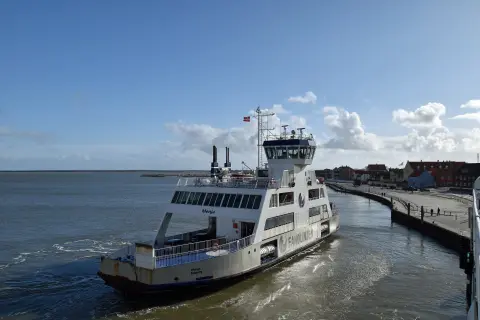
Ferry from Svendborg to Ærøskøbing, about 23 km
Ærøskøbing to Marstal by bike, about 13 km
Train from Odense to Aarhus, about 172 km
Bus to Moesgaard, about 10 km
Bus from Aarhus to Ebeltoft, about 54 km
Click a dot for the place. Labels show the days. The dashed line is the ferry, drawn roughly. The train from Svendborg back to Odense runs the same way. Distances are approximate. Route from OpenStreetMap (© OpenStreetMap contributors, ODbL).
Before you go
- When: mid-May to mid-September. In July, book Ærø months ahead. In winter the island goes to sleep.
- Trains: Orange fares from Copenhagen to Odense from 88 kroner, and from Odense to Aarhus from 72 the other way round. See Trains.
- Ferry: book online, though on foot there's room. 73 kroner each way in 2027. See Ferries.
- Pack light: you change often.
Day 1: Copenhagen to Odense
An hour and a quarter to an hour and a half by train, under the Great Belt. Hans Christian Andersen's House is a museum half underground, where his stories whisper at you from mirrors and hedges. Book a time. His childhood home, the size of a cupboard, is at the other end of the old town. The evening is for Storms Pakhus, a food hall, or the harbour.
Day 2: Egeskov
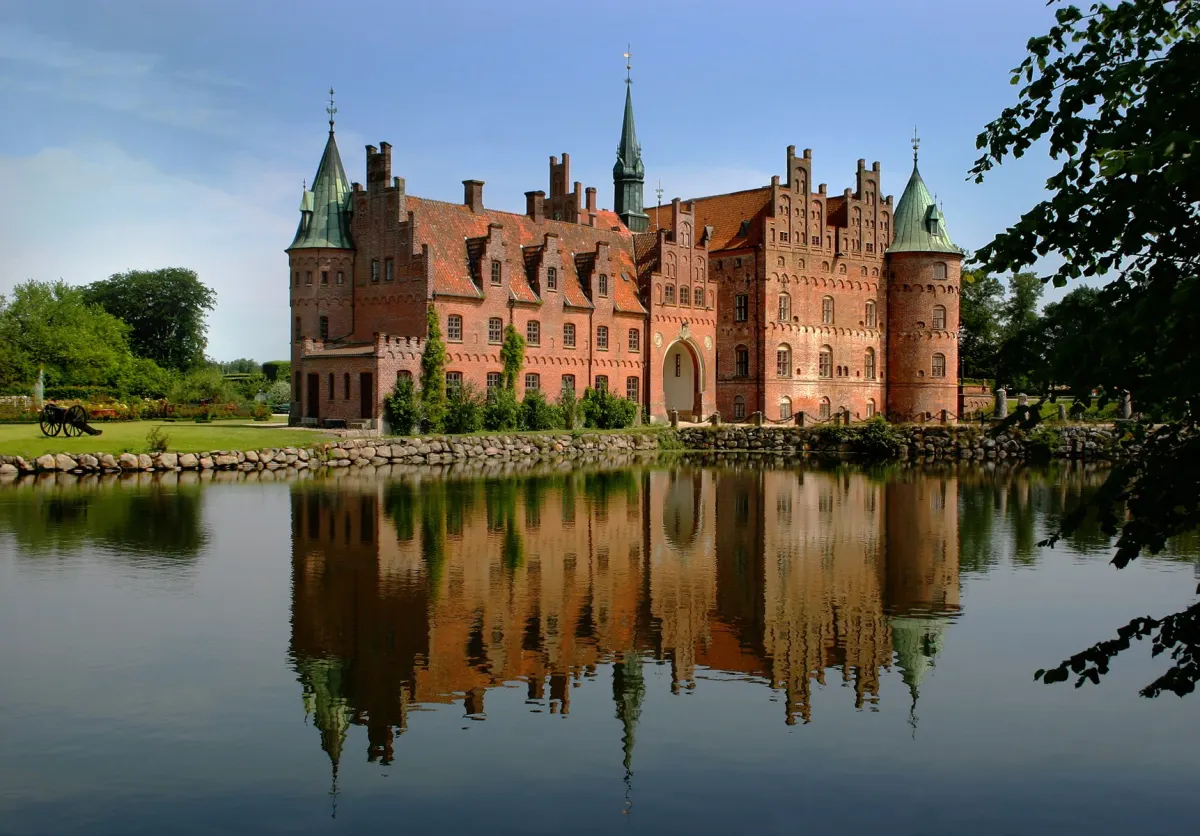
Half an hour by train to Kværndrup, and a bus or half an hour's walk, to Egeskov, the best-kept moated castle in Europe, they say, standing since 1554 on a forest of oak piles. Gardens, mazes, a treetop walk, and old cars. The house is open in the summer season, so check. Go on by train to Svendborg, and sleep there.
Day 3: to Ærø
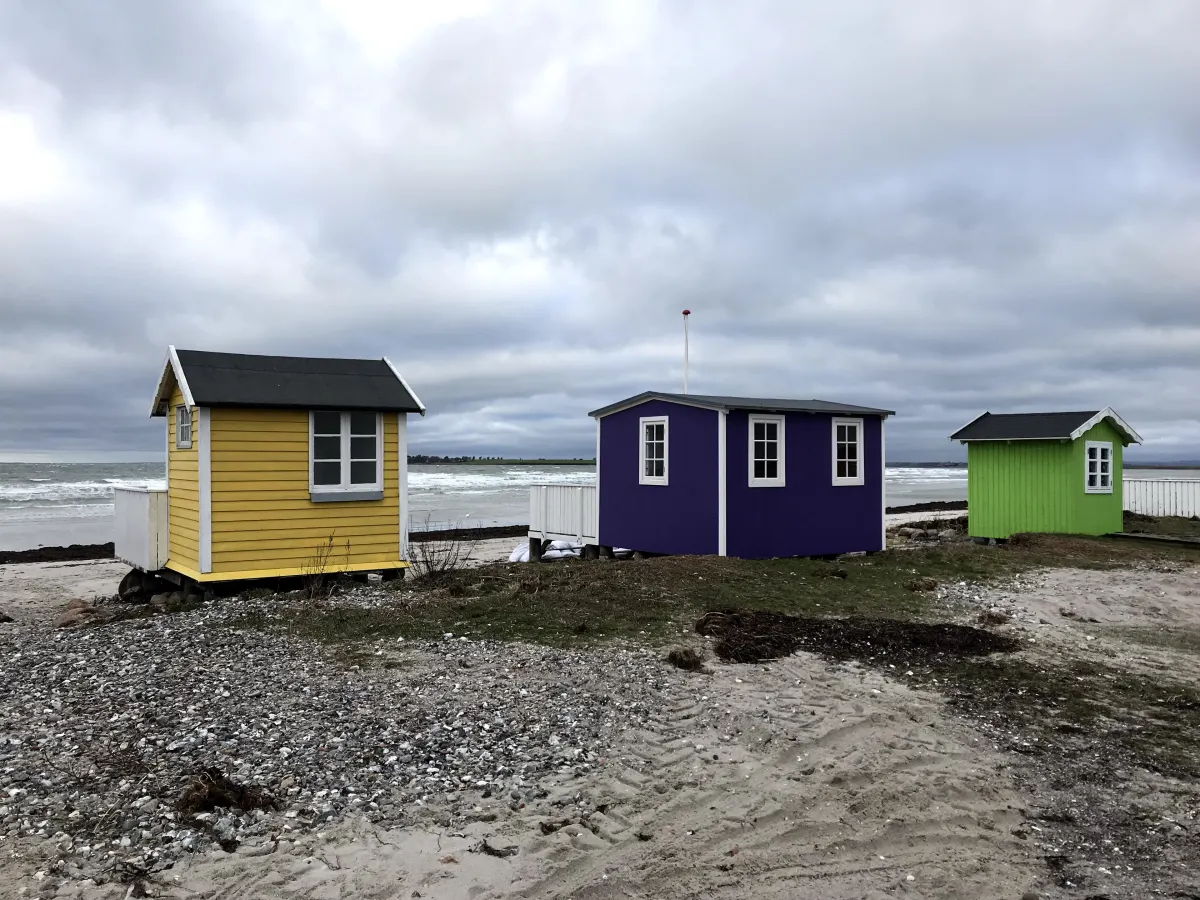
From Svendborg harbour, an old, salty place of wooden ships, the ferry takes 75 minutes between green islands to Ærøskøbing. It's a town of the 1700s with nothing added: crooked, pink and yellow, with hollyhocks by the doors. Walk to the bathing huts on Vesterstrand for the sunset. Sleep here for two nights.
Day 4: round Ærø
Hire a bike. East to Marstal, 13 km, for the Maritime Museum, all ship models and captains' parrots, and back by the south coast. Or west, to the cliffs at Voderup Klint, which have slipped down in steps of grass, and where you can swim. It isn't flat. The island's buses have been free for years, if the wind's wrong. Try the island's smoked fish and beer.
Day 5: to Aarhus
Ferry to Svendborg, train to Odense, 40 minutes or so, and change for Aarhus, another hour and three-quarters. Go up to the roof at the department store Salling for the view, and eat in the Latin Quarter or along the river.
Day 6: Aarhus
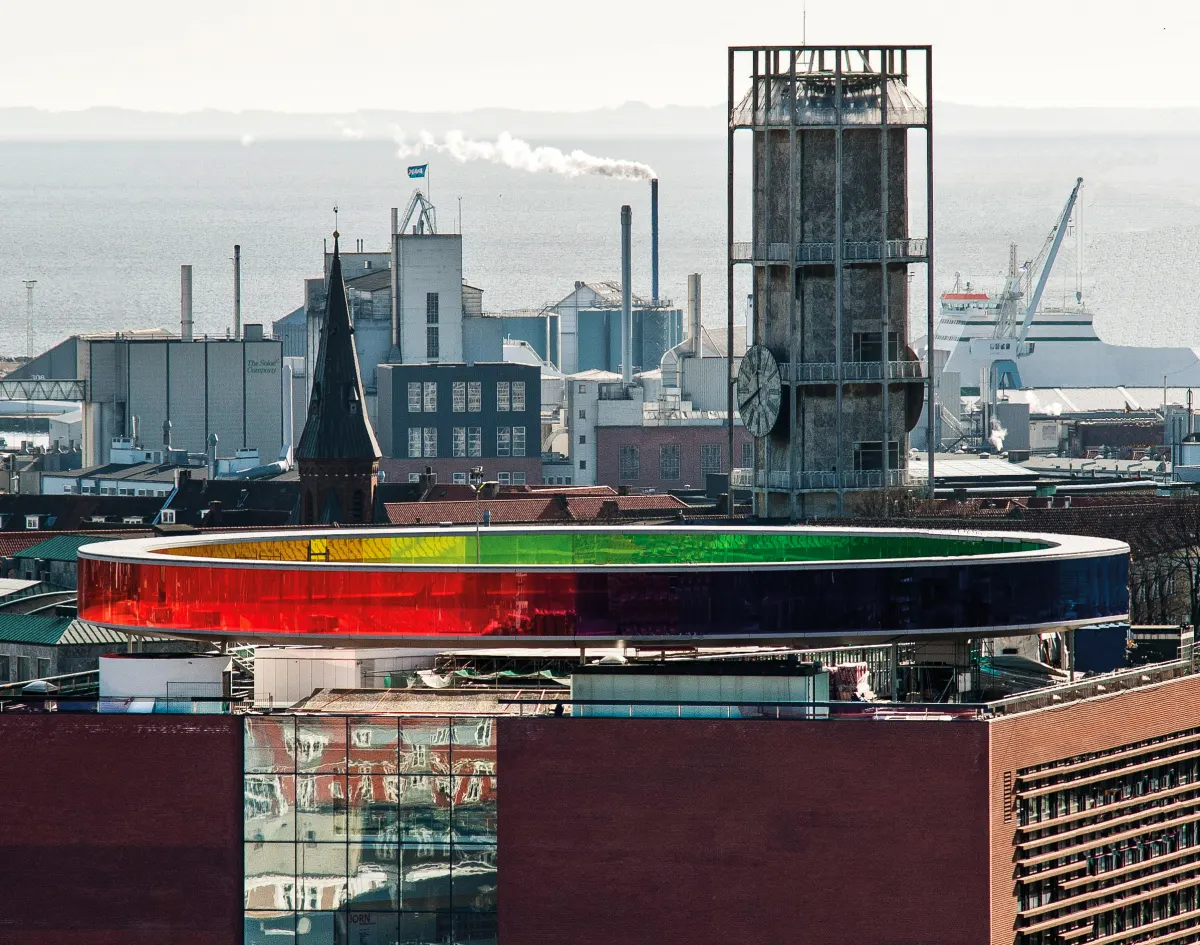
ARoS has a rainbow on its roof, a glass ring you walk round in, and since 2025 a dome of sky by James Turrell, best towards sunset (200 kroner, closed on Mondays except from June to September). After lunch, Den Gamle By: a whole town of houses from all over Denmark, up to a hi-fi shop of 1974. It's open every day of the year, and needs four hours, so come at opening time if it's the only thing you do. The library Dokk1 and the harbour bath are free.

Aarhus: ARoS and the Old Town
Denmark's second city has the ARoS art museum, topped by 'Your rainbow panorama', a circular glass walkway in all the colours of the rainbow, with vi…
Day 7: Moesgaard and the sea
Moesgaard Museum, a bus ride south, is a lawn that tips up to make a roof, with the Grauballe Man, 2,300 years old, under it. Walk down through the beech woods to the beach, 3 km, and swim. A bus takes you back, or walk on to the Infinite Bridge, a ring of planks over the water (summer only).
Day 8: Mols
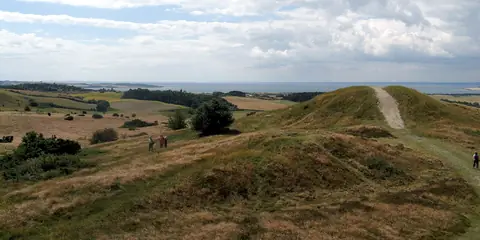
A bus, an hour or so, to Ebeltoft, with a tiny town hall and a great frigate, the Jylland. Hire a bike or take a local bus into Mols Bjerge, hills left by the ice, with Bronze Age mounds and, at Kalø, a ruined castle on a spit. Back to Aarhus, and home: Copenhagen's three hours by train, or the fast ferry from Aarhus to Sjællands Odde. Aarhus and Billund have airports.
Mols Bjerge National Park
Rolling glacial hills, heath and beaches near Aarhus, with Kalø Castle ruins on a small island reached by a causeway.
With more time
- Samsø, from Hou near Aarhus: potatoes, strawberries and 26 villages.
- Silkeborg: lakes, canoes, the steamer Hjejlen of 1861, and Tollund Man, whose face you won't forget.
- Faaborg and Svanninge: hills, painters, and small islands from the quay.
- Go on to Skagen: see the west coast.
Comments