
Phones and the internet in Denmark: SIM cards and eSIMs, roaming, emergency numbers, warnings on your phone and useful apps
Denmark is small, flat and covered from end to end, so your phone works nearly everywhere, beaches and ferries included. You'll use it all the time, for tickets, parking and planning.
Roaming
- With a phone from an EU country, Norway, Iceland or Liechtenstein, you use it as at home, up to a fair limit of data.
- Some UK and other networks include Denmark and some charge by the day. Check, and turn data roaming off until you have.
- Greenland and the Faroe Islands are outside EU roaming, and can be very dear.
- Near Helsingør, and on Bornholm, phones may pick up Sweden. It only matters if your plan has Denmark alone.
SIM cards and eSIMs
- An eSIM bought online before you leave is simplest. It starts when you land.
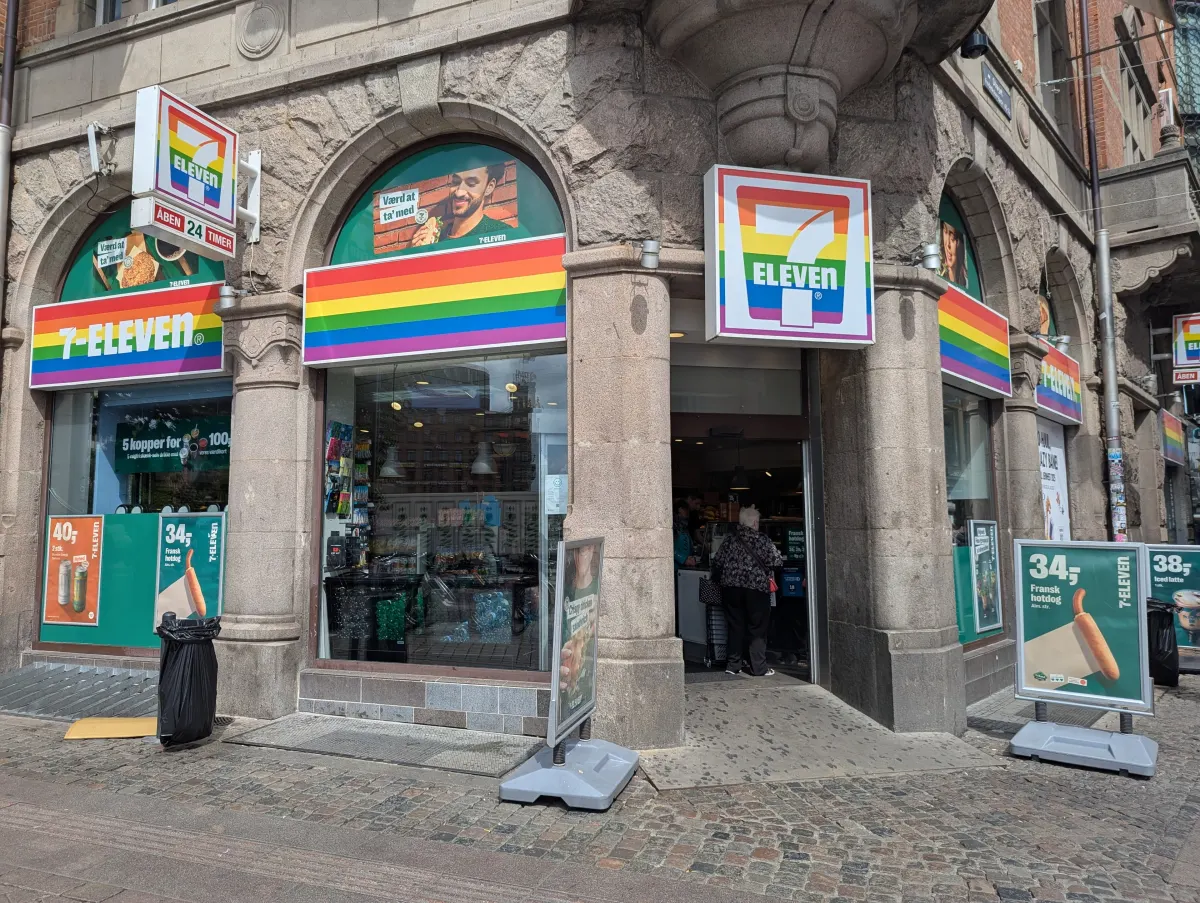
- Prepaid SIM cards from Lebara, Lycamobile and others are in 7-Eleven, kiosks and supermarkets, from around 50 to 100 kroner. Guides disagree about whether you must show identification, so take your passport.
- The networks are TDC (YouSee), Telenor, Telia (now part of Norlys) and 3. Contracts need a Danish personal number.
- You can't get a MitID (the national login), so anything that asks for one isn't for you. There's usually another way: ask.
Calling
- The country code is +45. Numbers have eight digits, and no area codes: dial all eight.
- Numbers that begin with 90 cost a lot.
- WhatsApp, Messenger and iMessage are all used.
Emergency numbers
- 112: police, fire and ambulance. English is spoken. The 112 app sends them your position, which is the thing to have on a beach or in a dune forest.
- 114: police, when it isn't urgent.
- 1813: medical help in Copenhagen and North Zealand. Other areas have their own: see Health.
- 1812: injured animals.
- On beaches, the green signs with a number tell the rescuers where you are. See Beaches and the sea.
Warnings
- S!RENEN sends a loud message to every phone in an area when there's danger, with a text in Danish and English. Your phone must be on and have 4G or 5G. You needn't sign up, and it can't be silenced.
- The outdoor sirens: if they sound, go indoors and find out why, from DR (the radio and television) or the police.
- Both are tested at noon on the first Wednesday of May: in 2027 that's 5 May. The message says it's a test.
Wi-Fi
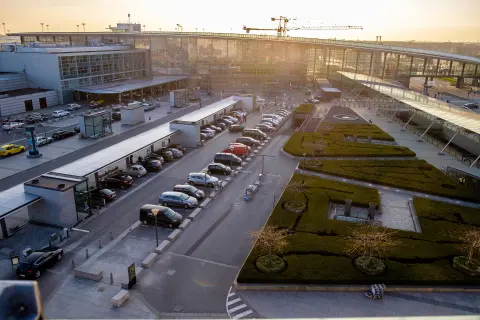
There's Wi-Fi in hotels, cafés, libraries, trains, Copenhagen Airport and many buses, free, and seldom with a password worth the name. Sockets are types K, E and F, 230 volts: ordinary European plugs fit.
Apps worth having
- Rejseplanen (journeys), Rejsebillet, DSB or Rejsekort (tickets). See Copenhagen transport.
- DMI: the weather, with a rain radar, and water levels.
- 112. EasyPark, if you drive. Too Good To Go, if you eat.
- Shelter or udinaturen.dk for huts and campsites. See Camping.
- Google Translate with Danish saved. You'll hardly need it, except for menus and parking signs.

Attractions
Tivoli Gardens, Copenhagen
Copenhagen, Capital Region of Denmark
One of the oldest amusement parks in the world, opened in 1843 in the heart of Copenhagen, with gardens, historic and modern rides, including a woode…

Comments