
Health in Denmark: what to do if you're ill, who pays, 112 and 1813, pharmacies, medicines, ticks and insurance
Health care in Denmark is good, and nearly everybody in it speaks English. The thing to know is that you ring first: you can't simply walk into casualty.
Who to call
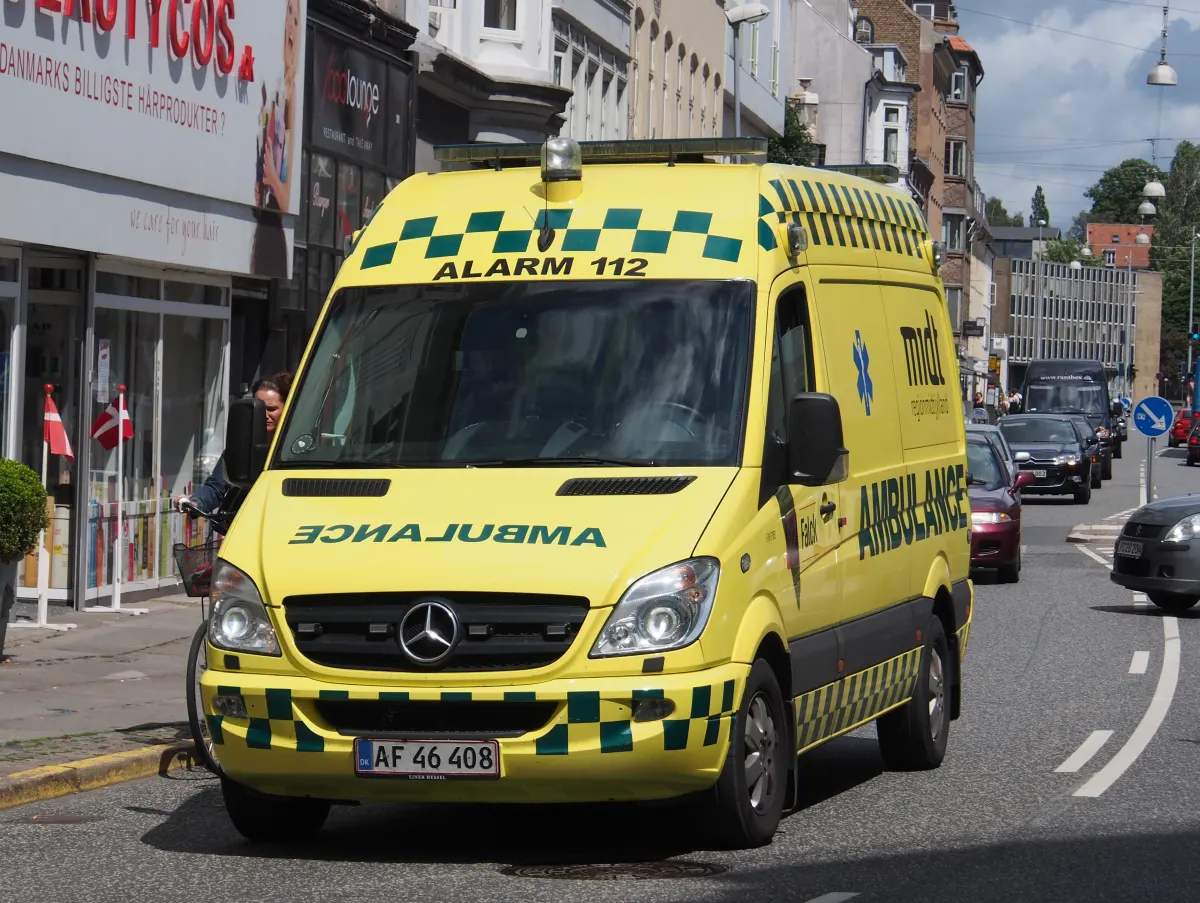
- 112: life-threatening emergencies. Ask for an ambulance.
- In Copenhagen, North Zealand and on Bornholm: 1813, day and night. A nurse or doctor answers, tells you what to do, and gives you a time at a hospital if you need one. Emergency wards expect you to have called.
- The rest of Zealand, Lolland and Falster: 1818.
- Funen and southern Jutland: 70 11 07 07.
- Central Jutland (Aarhus, Viborg, Herning): 70 11 31 31.
- North Jutland (Aalborg, Skagen, Thy): 70 15 03 00.
- Outside the capital, these are for evenings, nights and weekends (16 to 8). In the daytime, ring a doctor's surgery (læge). The map at laegevagten.dk shows the numbers. The regions of Copenhagen and Zealand become one on 1 January 2027, so look again after that.
Who pays
- With a European Health Insurance Card (EHIC), a British GHIC, or if you live in another Nordic country, treatment that can't wait is free, as it is for Danes.
- Everybody else may be charged, for emergency and further treatment in hospital. People under 18 aren't. Nobody's turned away in an emergency for lack of a card.
- Getting you home isn't covered by any card. Have insurance that covers it.
- In the Faroe Islands and Greenland other rules apply.
Private doctors
In Copenhagen there are private doctors who see visitors the same day, come to a hotel, or talk by video: from about 130 kroner for a call to 1,400 for a visit. Hotels have the numbers.
Pharmacies
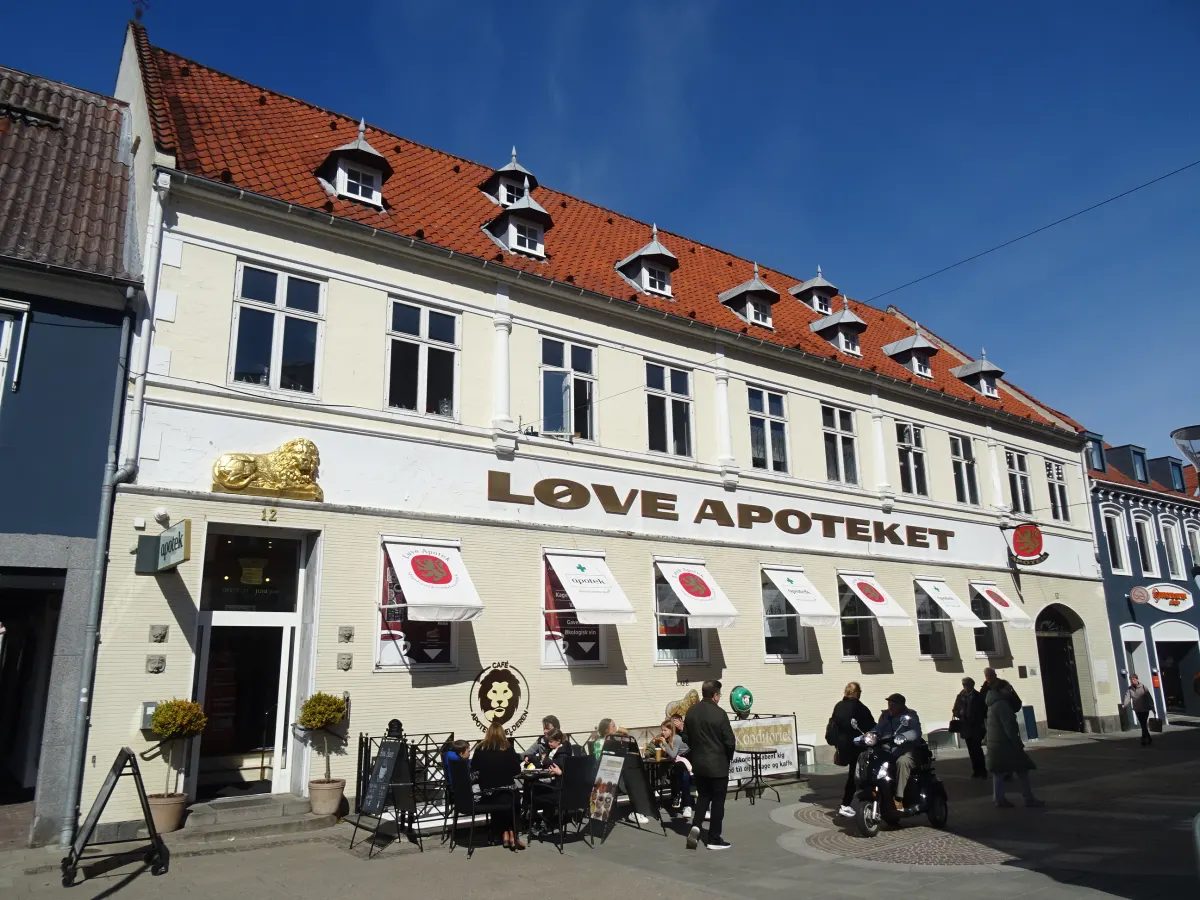
- Look for Apotek and a green sign. Take a number. Steno Apotek, opposite the Central Station in Copenhagen, has long been open day and night.
- Paracetamol, plasters, hay fever tablets and throat sweets are in supermarkets too, some only from 18.
- Painkillers with codeine and antibiotics need a prescription. Those from other EU countries are valid, with the details filled in. British, American and other prescriptions aren't: see a doctor.
Bringing medicines
- Keep them in the packet, with the label or prescription.
- Controlled medicines (strong painkillers, ADHD tablets, sleeping pills, medical cannabis): from a Schengen country you need a Schengen certificate, and from elsewhere a doctor's letter, in English, for up to 30 days. Ask your own health authority.
Ticks
- They sit in long grass, bracken and the edges of woods from about March to November. Wear long trousers, use a repellent, and look yourself over in the evening: knees, groin, armpits, hairline.
- Pull one out at once with tweezers or a tick card, close to the skin. The sooner the better.
- Lyme disease (borreliose): a red ring that spreads over days or weeks. See a doctor. Antibiotics cure it.
- TBE, an inflammation of the brain, is rare. Ten cases were found in 2025, six of them caught in Denmark: on Bornholm and in woods in North Zealand (Tokkekøb Hegn, Gribskov, and for the first time Danstrup Hegn). The year before there were 22. There's a vaccine, for people who'll be off the paths a lot there. Most visitors don't need it.
Other things
- Water from the tap is excellent. Food is safe.
- The sea: an infected wound after bathing in a hot summer needs a doctor that day. See Beaches and the sea.
- Mosquitoes are a nuisance in wet summers, and don't carry disease here as a rule.
- Adders are the only venomous snakes. Keep still, and call 112 or 1813.
- Cyclists have accidents: wear the helmet. See Cycling.
- Sun burns from April, above all by the water, with a wind to hide it.
Teeth
Dentists are private, and not cheap, for Danes too. For emergencies in Copenhagen there's Tandlægevagten at Oslo Plads, evenings, and weekend mornings. Elsewhere, look for tandlægevagt and the town.
If it's your mind
Livslinien (70 201 201) is for people in despair, every day, and answers in English if asked. In an emergency call 112.
Natural features
Skjoldungernes Land National Park
Roskilde, Zealand
Forest, lakes and fjord landscapes near Roskilde, linked to the legendary Danish kings.
Comments