
Cycling in Denmark: the rules, fines, left turns, hiring a bike in Copenhagen, bikes on trains and the long-distance routes
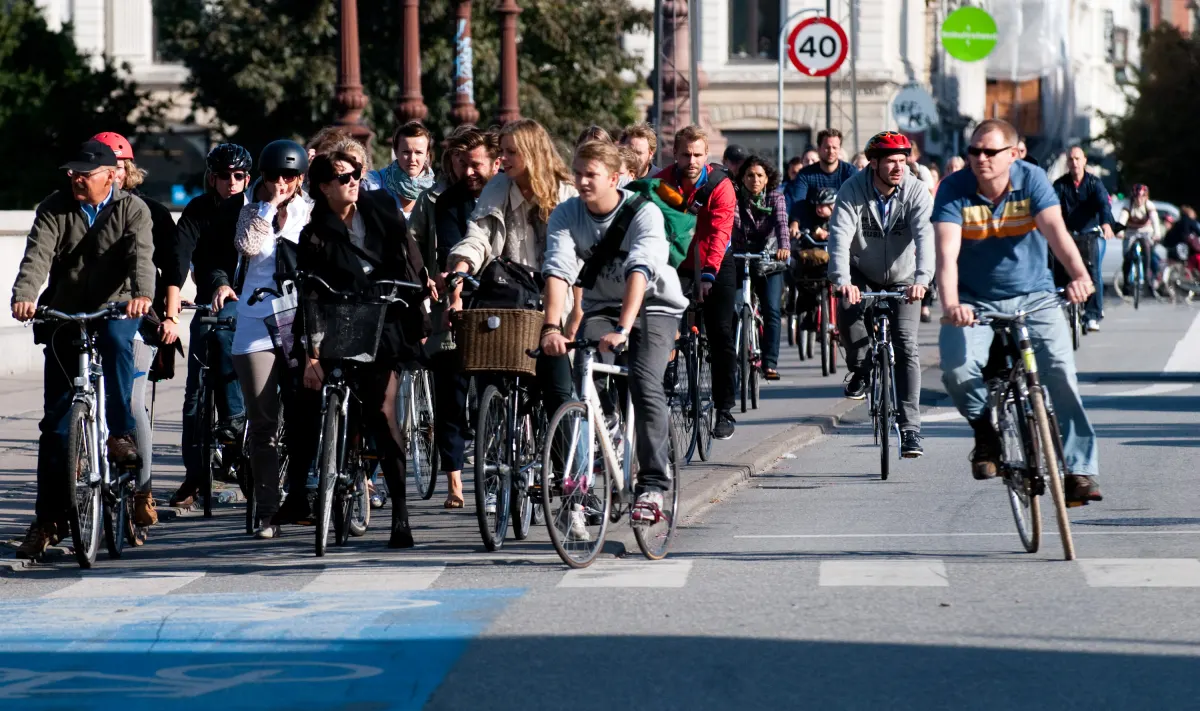
More people in Copenhagen go to work by bicycle than by car. There are raised paths on every main street, lights of their own, and bridges just for them. It's the quickest way about, once you've learnt the manners, and the Danes will tell you when you haven't.
The rules
- If there's a cycle path, you must use it, in the direction of the traffic. If there's none, ride on the road, as far right as you can. Never on the pavement, not even for ten metres: get off and push.
- Keep right, and overtake on the left. Look behind you first. Ring the bell once.
- Turn left in two moves: ride straight over the junction, stop on the far right corner, turn the bike, and wait for that green light. Never cut across.
- Signal: an arm out to the side for a turn, and a hand raised, palm forward, to say you're stopping.
- At bus stops with no island, people getting on and off have right of way. Stop.
- Lights, front and back, in the dark. No hand-held phone.
- One person to a bike, unless it's a small child in a child seat or cargo bike.
- A helmet isn't compulsory for adults. It's strongly recommended.
Fines
- Red light: 1,000 kroner. Phone in the hand: 1,000.
- On the pavement: 700. No lights: 700.
- Drunk and unsafe: 1,500. There's no fixed limit. The police decide.
- Electric scooters: one person, and a helmet is compulsory. The fine is 1,000 to 1,500 kroner.
In the rush hour
From 7:30 to 9 and 15:30 to 17:30, the paths over Dronning Louises Bro, along Nørrebrogade and H.C. Andersens Boulevard are a river of people who do this every day. Keep right, hold your line, don't ride two abreast, and don't stop on the path to look at a map. Start on a Sunday morning if you're unsure, or out by the harbour.
Hiring in Copenhagen
- Hotels and bike shops hire ordinary bikes for around 100 to 200 kroner a day, cheaper by the week. It's the most comfortable way.
- Donkey Republic (orange) and others work by app, and must be left in the marked places, or you pay a fee. They're dearer for a full day.
- Have the back brake explained: on many it's in the pedals.
- Lock it, even for a minute, with the ring lock on the back wheel and a chain at night. Thefts are common. Not against a shop window or in front of a door: they move it.
Rides in and near the city
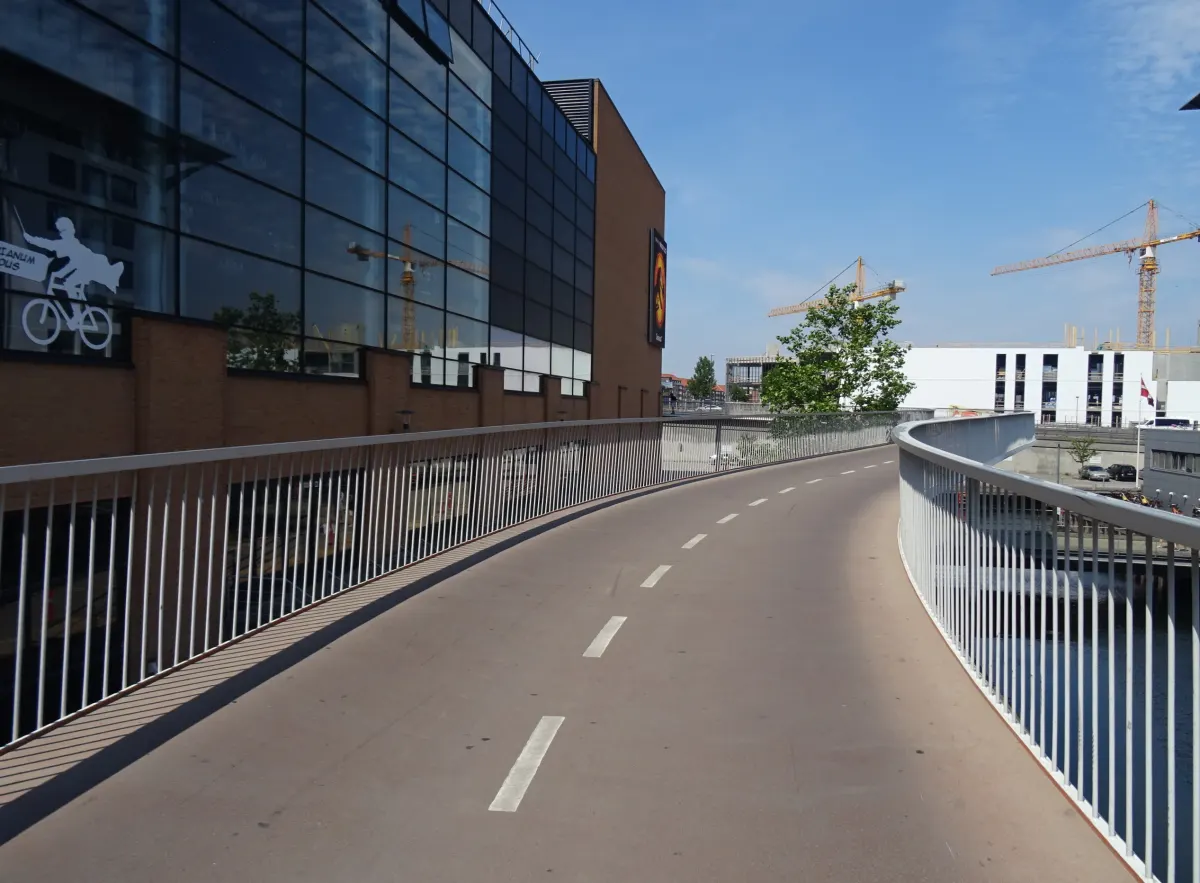
- The Harbour Circle (Havneringen): 13 km round the inner harbour, over the Bicycle Snake (Cykelslangen) and Inderhavnsbroen, by Nyhavn and Christiania.
- Amager Strandpark: 5 km to the beach, flat, with the sea in your face.
- Dragør: 12 km, by the shore, to a village of yellow houses.
- Dyrehaven: 13 km north along the coast road to an old royal deer park. Put the bike on the S-train back.
On trains, buses and ferries
- Free on S-trains, in the carriage with a bike on it. Not on or off at Nørreport in the weekday rush.
- On Intercity and regional trains you need a bike ticket, and on Intercity from about May to August a booked place. It can sell out.
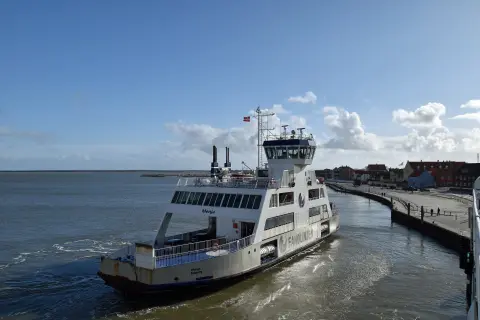
- Ferries take them for little: 26 kroner to Ærø in 2027, and nothing to Fanø. See Ferries.
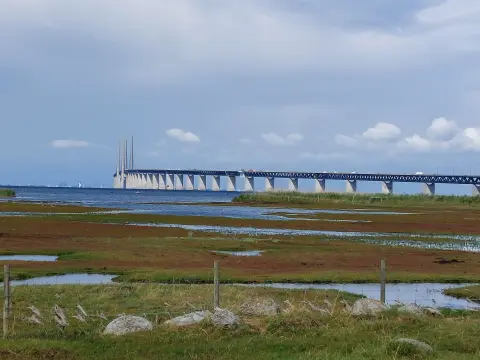
- Neither of the big bridges has a path.
Long routes
- There are national routes with numbers on blue signs. Route 1 runs 560 km up the west coast from the border to Skagen, partly on gravel in the dunes, against or with a strong wind from the west.
- Route 8, the Baltic Sea route, is a figure of eight of about 800 km by Møn, Falster, Lolland, Funen and Als.
- Bornholm and Ærø are the best small ones, with hills on the first.
- The wind is the only mountain. Ride north on the west coast, and plan days of 50 km, not 100.
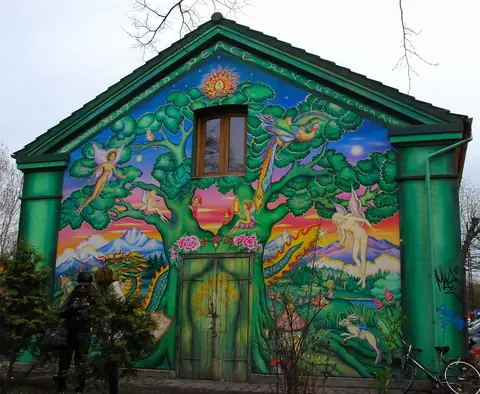
Freetown Christiania, Copenhagen
A self-governing commune founded by squatters in 1971 in old military barracks, with colourful houses, workshops and cafés.
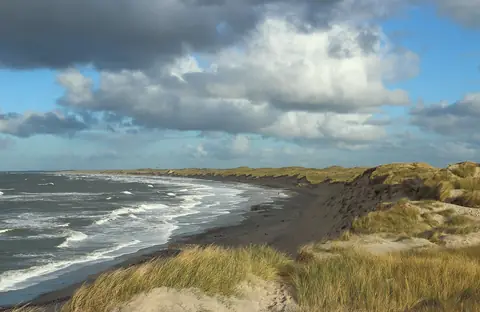
Thy National Park
Denmark's largest wilderness of dunes, heath and lakes along the North Sea coast.
Comments