
Laws in Denmark that surprise visitors: knives, covered faces, drones, foreign flags, laughing gas and snus
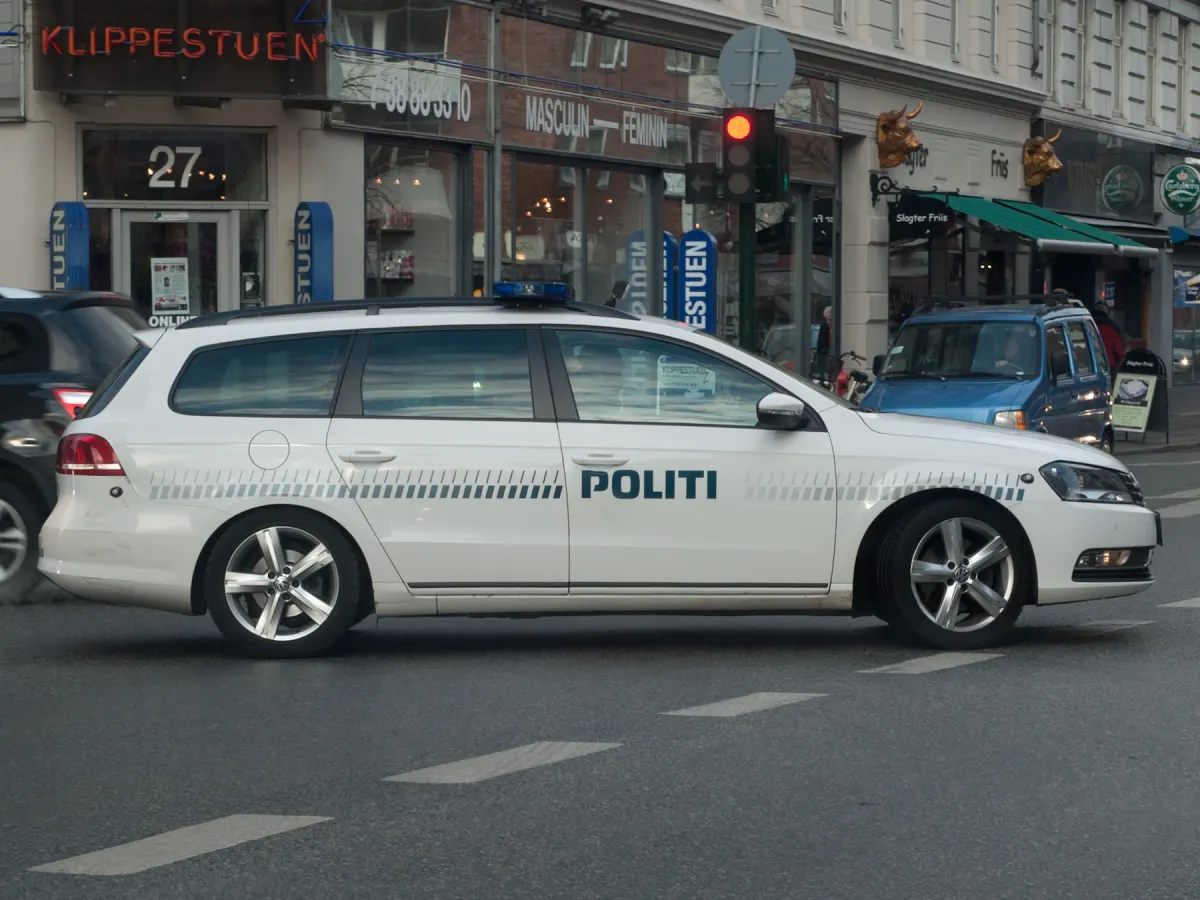
Denmark is a tolerant country with a few strict laws. The one about knives is the one that catches visitors, so read it before you pack.
Knives: carrying one
- It's illegal to carry or have a knife in a public place unless you have a good reason: your work, hunting, fishing, sport, or something like it. Public means streets, trains, bars, beaches, and your car parked there. Schools and youth clubs are covered too.
- The law doesn't give a safe length for a blade. What counts is why you have it then and there. The tourist board's example: a pocket knife on a picnic is legal, and the same knife on a night out, or in a crowd, isn't.
- So a knife in the rucksack on a camping trip, or with the fishing rod, is fine. Forgotten in a jacket in town on Friday night, it's an offence. Self-defence is never a good reason.
- Kitchen knives you've bought: leave them in the box, and go home with them.
Knives: owning one
- You need a police permit even to own: flick knives, gravity knives, butterfly knives, push daggers (with the handle across), neck knives to be drawn with one hand, throwing knives, stars and axes, sword sticks, and other blades that look like something else.
- Blades over 12 cm need one too, unless they're made for, and used for, work, the household, hunting, fishing or sport.
- Folding knives that open with one hand, or lock, are allowed since 2016 as objects, but the rule on carrying still applies.
- Pepper spray, knuckledusters, batons and stun guns are weapons. Don't bring them. Some pepper spray may be bought by licensed people only.
What you risk
- A fine, or prison for up to four months, and up to two years if there's something to make it worse: near a nightclub, for instance, or a second time. Even a first fine can be thousands of kroner.
- In search zones (visitationszoner), set up for weeks at a time in parts of Copenhagen and other cities, the police can search anybody, and any car, without suspicion.
Covering your face
It's illegal to wear something that hides your face in a public place: a burqa or niqab, a balaclava, a false beard. The fine is 1,000 kroner the first time, and more after that. There are exceptions, such as cold weather, a face mask for health, carnival and work.
Drones
- You need to be registered as an operator in an EU country, with your number on the drone (with a few exceptions for toys), a certificate from 250 g up, and insurance. Registration and certificates from another EU country count.
- Highest 120 m, always in sight, not over crowds, not near airports (5 km, or 8 for military ones), emergencies, or helicopter pads.
- You need people's consent to fly over houses and gardens or close to people. It makes towns nearly impossible. Look at the map on Dronezoner. Bans are made at short notice, and since the airports were closed by drones in September 2025, people report them.
Other laws
- Flags: since 1 January 2025 it's illegal to fly a foreign flag from a flagpole. The Nordic, Greenlandic, Faroese and German flags, and those of the EU and UN, are allowed. Small flags in the hand, at matches and at demonstrations aren't affected.
- Laughing gas: it's illegal to have it in a public place. You can bring in no more than 17 g a day, and must be 18.
- Snus can't be sold. Nicotine pouches can, from 18, up to 9 mg, with few flavours. Tobacco and vapes: 18.
- Holy books: burning or otherwise abusing the scriptures of a recognised religion in public, or on film, has been a crime since December 2023.
- Cash: shops can't take 15,000 kroner or more in cash (the limit since March 2024).
- Drugs: see Christiania and drugs. Driving: they can take the car. See Driving. Alcohol: see Alcohol.
If you're stopped
- Say who you are. You must give your name, address and date of birth. You needn't carry a passport at all times by law inside the country, but have a copy, and the real thing near a border.
- Fines are handed out on the spot, and foreigners can be held until they pay or promise to. You have the right to a lawyer, an interpreter, and to have your embassy told.
- Be calm, and don't offer money. Danish police are courteous and quite unbribable.
Historic sites
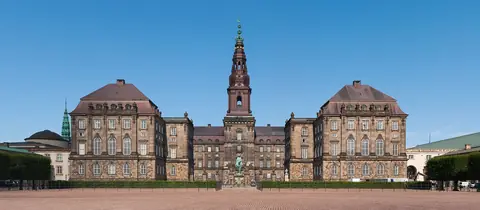
Christiansborg Palace, Copenhagen
Copenhagen, Capital Region of Denmark
Home of the Danish parliament, the Supreme Court and the Royal Reception Rooms.




Comments