
Hiking, national parks and templestays in South Korea
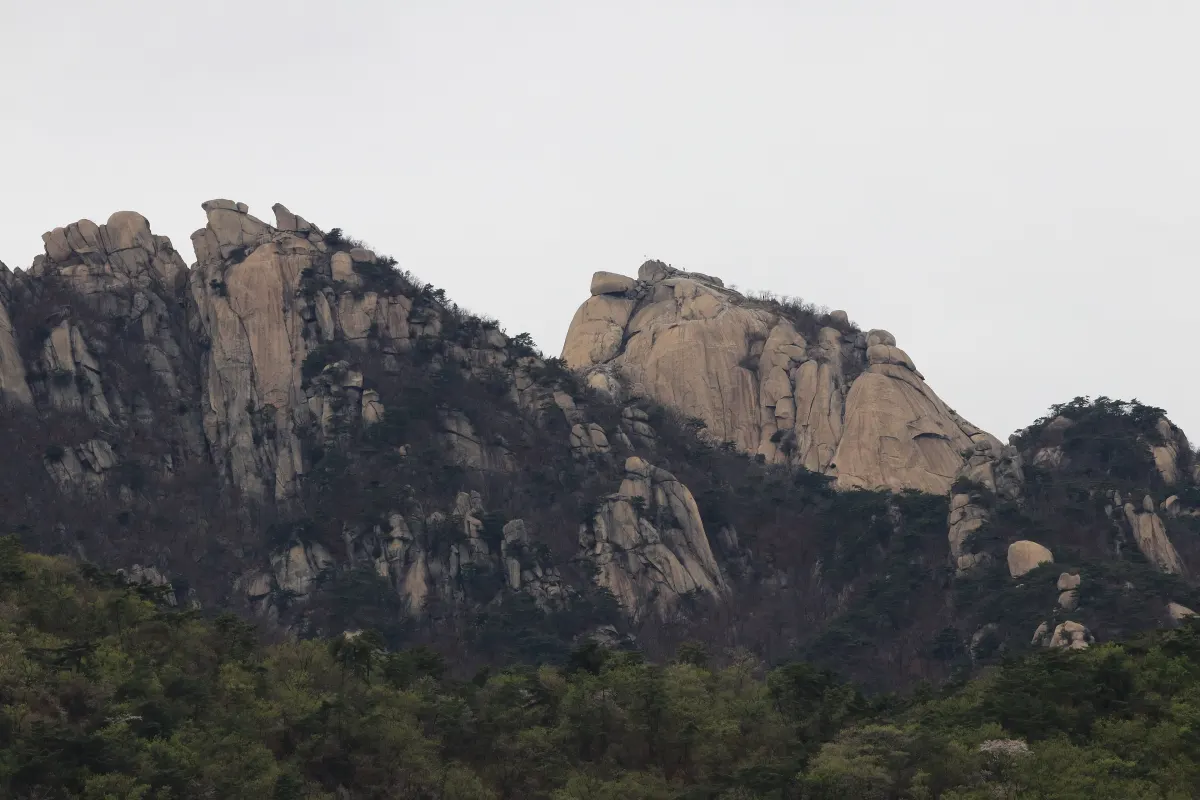
Hiking is Korea's favourite pastime, and about 70% of the country is mountains. Trails start from subway stations in Seoul, mountains are crowned with temples, and the national parks have well-marked paths, shelters and signs in English. Weekends are busy, with hikers in full gear; weekdays are quieter.
National parks
- Korea has 23 national parks, run by the Korea National Park Service. They're free to enter, and most temples inside them no longer charge an entrance fee.
- Trails are signposted in Korean and English, with distances and times. Stay on the marked paths: going off-trail is banned and fined.
- Some trails close in spring and autumn when the forest fire risk is high (usually from about February to May and from November to December), in heavy rain, and to protect nature. Check the Korea National Park Service website, or the notices at the park entrance, before you go.
- Many trails have cut-off times after which you can't start a long hike, especially in winter.
The best mountains
- Bukhansan: granite peaks in Seoul's northern suburbs, reached by subway and bus. Baegundae, the highest, is a steep half-day climb with cables.
- Seoraksan: Korea's most famous mountain, near Sokcho on the east coast, with jagged ridges, a cable car, and spectacular autumn colours.
- Jirisan: the biggest national park, with a long ridge walk of two or three days between shelters.
- Hallasan, on Jeju, Korea's highest peak (1,947 m). The two trails to the summit, Seongpanak and Gwaneumsa, need a reservation in advance through the national park's website, and have strict cut-off times; other trails don't go to the top.
- Gayasan, with the temple of Haeinsa, Odaesan, Naejangsan for autumn leaves, and Juwangsan for waterfalls and cliffs.

Seoraksan National Park
South Korea's most famous mountain park, with granite peaks, waterfalls and temples, especially spectacular in autumn.
Long-distance trails
- The Jeju Olle Trail is a network of 27 routes, mostly along the coast of Jeju, through villages, beaches and fields. Each route takes a day, and you can walk just one.
- The Seoul City Wall Trail follows the 600-year-old walls over the hills round the centre of Seoul.
- The Korea Dulle Trail circles the whole country, including the Haeparang Trail along the east coast and the Namparang along the south.
Staying safe
- Bring water, food, a jacket and a charged phone, start early, and allow more time than the signs say: trails are often steep, with lots of steps.
- Hikers die every year from falls, heart attacks and exposure. Avoid the mountains in heavy rain and typhoons, and in winter bring crampons for icy paths.
- Many trails have numbered posts: tell the emergency services (119) the number of the nearest one if you need help.
- Check for ticks after hiking in grass: see Health.
Mountain shelters
Shelters on Jirisan, Seoraksan and a few other mountains have basic bunk rooms, and must be booked in advance through the Korea National Park Service. Bring your own food and a sleeping bag, or rent a blanket. Camping is allowed only at official campsites.
Templestays
On a templestay, you spend a night or two at a Buddhist temple, joining the monks for chanting before dawn, meditation, tea and simple vegan meals. More than a hundred temples take part, from Jogyesa in central Seoul to mountain temples such as Haeinsa. Book through the official templestay website. It's a highlight for many visitors, but expect early mornings, simple rooms on the floor, and silence at meals.
See also: Weather and seasons and Getting around South Korea.



Comments
No comments yet.