
Korean food and drink: what to try, and how to eat it
Korean food is one of the best reasons to visit: big flavours of garlic, chilli, sesame and fermented pastes, lots of vegetables, and meals that are made for sharing. Every meal comes with free side dishes, and every region has its speciality.
How Korean restaurants work
- Most restaurants specialise in one or two dishes. Rice, soup and a spread of banchan, small side dishes including kimchi, come with the meal, and are refilled free if you ask (often from a self-service counter).
- Water is free, often self-service from a machine or a jug on the table. Cutlery is in a drawer in the side of the table, and tissues in a box on it.
- Many restaurants have a call button on the table, or you call "jeogiyo!" ("excuse me!") to get a server's attention: it's not rude.
- You often order at a kiosk or a tablet on the table, some of them in English. Pay at the counter by the door when you leave.
- Eating alone: easy in soup, noodle and gimbap restaurants, but barbecue and some stew restaurants serve portions for at least two people. Solo diners can ask, or order two portions.
What to try
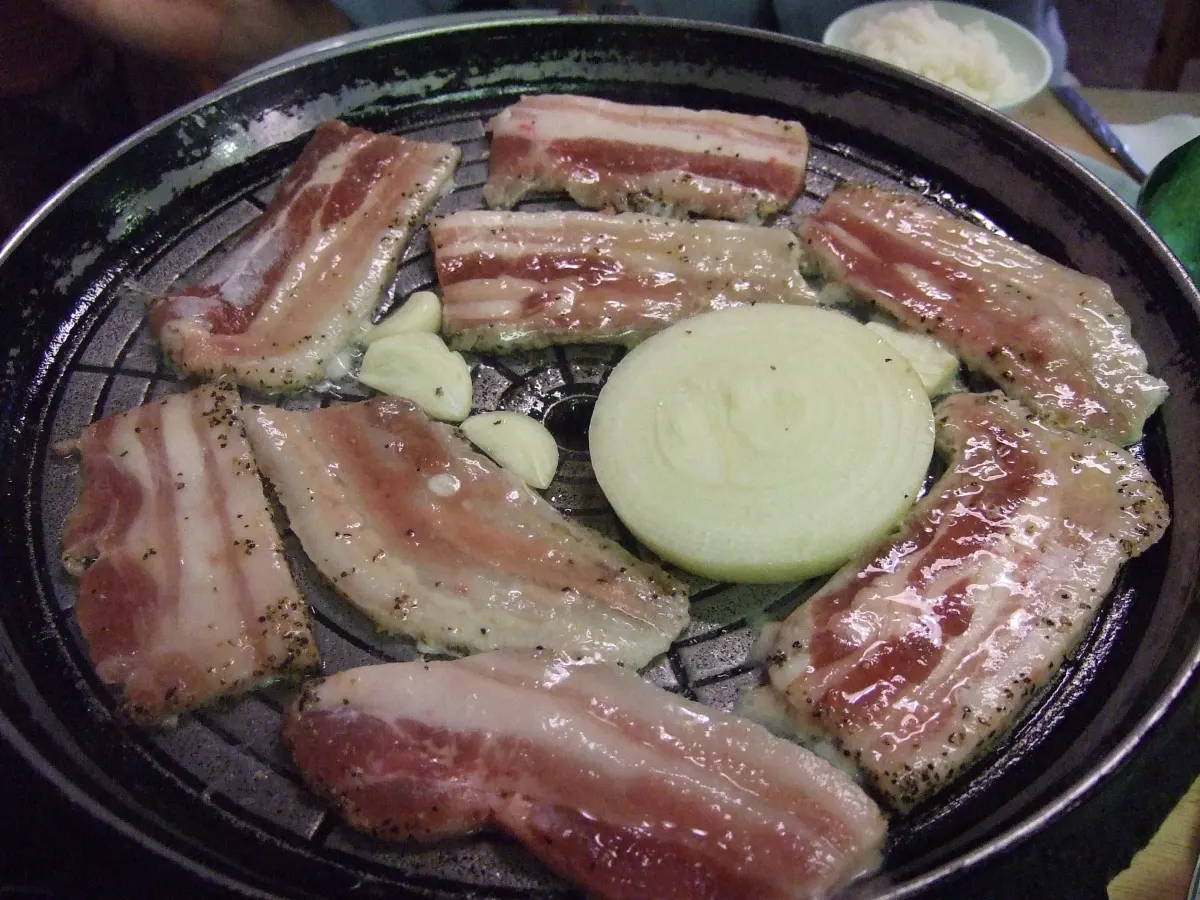
- Korean barbecue: pork belly (samgyeopsal) or marinated beef (galbi), grilled at the table and wrapped in lettuce with garlic and ssamjang paste. Try Jeju black pork on Jeju, and hanwoo beef in Gangwon.
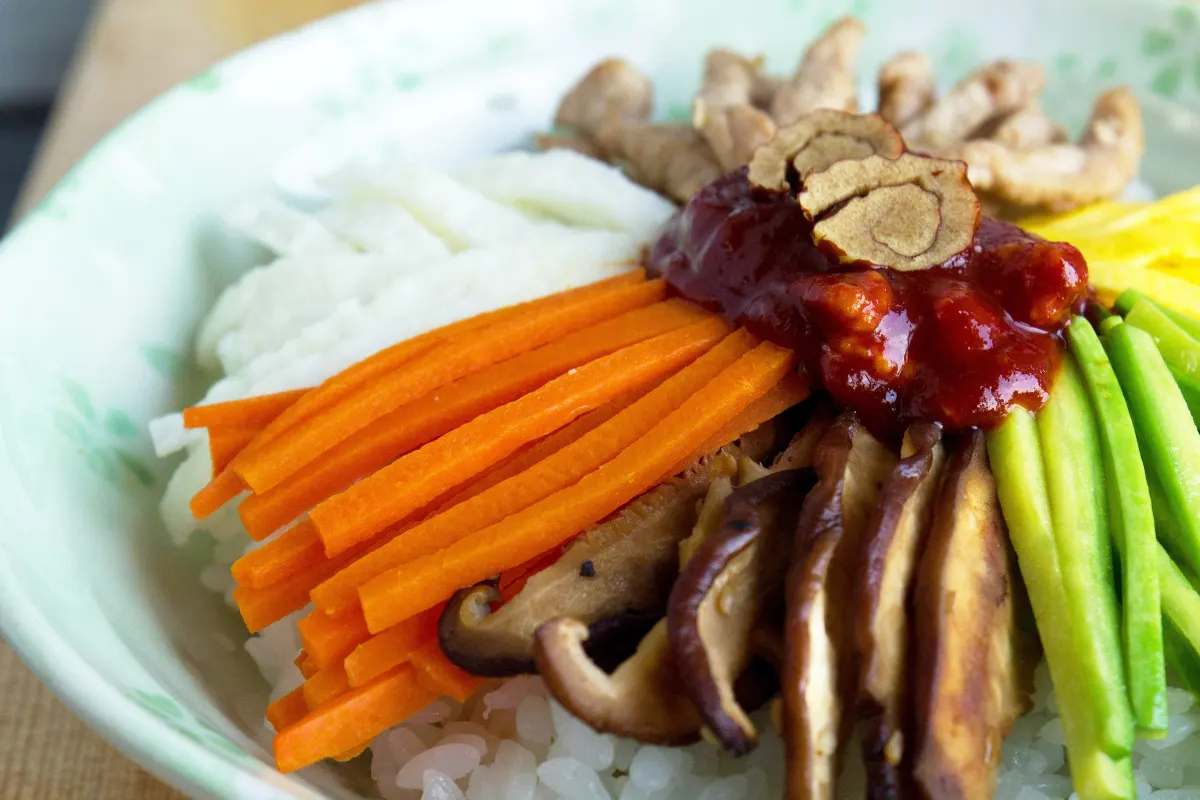
- Bibimbap: rice with vegetables, meat, egg and chilli paste, at its best in Jeonju.
- Soups and stews: kimchi jjigae, doenjang (soybean paste) jjigae, sundubu (soft tofu stew), samgyetang (a whole small chicken stuffed with rice and ginseng), Busan's dwaeji gukbap (pork soup), and budae jjigae ("army base stew").
- Noodles: naengmyeon (cold buckwheat noodles, especially in summer), kalguksu (knife-cut noodles in broth), and jjajangmyeon (black bean noodles, Korean-Chinese).
- Fried chicken, with beer, is a national obsession: chimaek.
- Seafood: raw fish and live octopus at Noryangjin in Seoul or Jagalchi in Busan, where you choose your fish downstairs and eat it upstairs, and raw crab in soy sauce, gejang, in Yeosu.
- Street food: tteokbokki (rice cakes in sweet chilli sauce), gimbap (rice rolls), odeng (fish cakes on skewers), and sweet hotteok pancakes. Myeongdong and markets such as Gwangjang are the places to go.
- Feasts: the Jeolla region's hanjeongsik covers the table in dozens of dishes.
- Desserts: bingsu, shaved ice with fruit or red beans, and the many bakeries and cafés.
Vegetarian and other diets
Vegetarians have a hard time: many vegetable dishes, kimchi and broths contain fish sauce, anchovies or meat stock. Temple food, served at some restaurants run by Buddhist temples and at templestays, is vegan, and bibimbap without meat or egg is usually possible. Learn to say "gogi ppaego juseyo" ("without meat, please"), and show a card in Korean that explains what you don't eat. The same goes for allergies: peanuts, sesame, shellfish and wheat are common, and staff may not understand.
Drinks
- Soju, a clear spirit usually around 16–17%, is drunk with food from small glasses, often in tents and bars late into the night. Makgeolli is a milky rice wine that goes with savoury pancakes (pajeon), especially on rainy days. Korean beer is light; craft beer is easy to find in cities.
- Drinking etiquette: pour for others, not yourself; hold your glass with two hands when someone older pours for you, and turn your head slightly away from older people when you drink. Nobody minds if you drink slowly, or say no.
- The legal age for drinking is 19 (counted from the year you were born). Drinking in public is allowed.
- Coffee: cafés are everywhere, many of them beautiful, and Koreans drink iced americano all year round. Try barley tea (boricha), served free in many restaurants, and the citron tea, yuja-cha, in winter.
- Tap water is safe to drink, but most people drink filtered water: restaurants serve it free.
Regional specialities
Jeonju for bibimbap, Chuncheon for dakgalbi (spicy stir-fried chicken), Andong for jjimdak, Suwon for galbi, Busan for seafood and pork soup, Gangneung for chodang tofu, Tongyeong for oysters, and Jeju for black pork and hallabong tangerines.
See also: Culture and etiquette and Money.


Comments
No comments yet.