
Culture and etiquette in South Korea: respect, shoes, bowing and temples
Koreans are welcoming and helpful to visitors, and nobody expects you to know all the rules. But Korean society puts a lot of weight on respect, especially for older people, and a few simple habits go a long way.
Respect and age
- Age matters in Korea: people speak differently to anyone older than them, and older people are served first, sit first and start eating first. Don't be surprised if someone asks your age soon after meeting you.
- Give up seats on the subway and buses to older people, and leave the priority seats empty.
- Older Koreans may push past in queues and crowds. It's not meant personally.
Greetings and manners
- Koreans greet each other with a small bow, or a nod of the head, often with a handshake. "Annyeonghaseyo" is hello, and "gamsahamnida" thank you.
- Give and receive things, especially money, business cards and gifts, with both hands, or with your right hand while your left touches your right wrist or arm.
- Don't write someone's name in red ink: it's associated with the dead.
- Don't stick your chopsticks upright in a bowl of rice, which is how food is offered to the dead, and don't pick up your rice bowl: it stays on the table, and you eat rice and soup with a spoon.
- Blowing your nose at the table is rude: leave the table to do it.
- Beckon someone with your palm down, not with one finger.
- Many buildings skip the number 4, or write it as "F" in lifts, because it sounds like the word for death.
Shoes
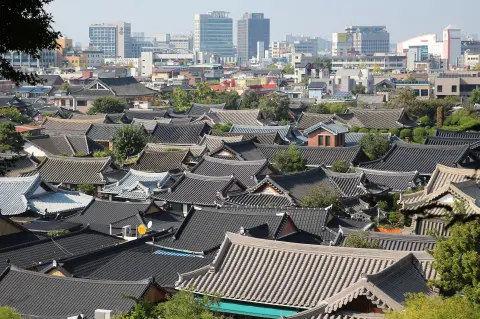
Take your shoes off when you enter a home, a hanok guesthouse, a temple hall, and restaurants where you sit on the floor: look for shoes left at the entrance, or a raised floor. Wear socks without holes.
Temples
- Korea's Buddhist temples welcome visitors. Dress modestly, keep your voice down, and don't walk through the main door of a hall, which is for monks: use the side doors.
- Ask before photographing monks or people praying, and don't take photos inside halls where there are signs asking you not to.
- You can stay overnight at many temples on a templestay.
Bathhouses
Jjimjilbang, 24-hour bathhouses and saunas, are a great Korean experience. The baths are separate for men and women and you go in naked, after showering thoroughly. Then you put on the clothes they give you for the shared saunas and rest areas, where families relax, eat boiled eggs and sleep overnight. Some refuse people with large tattoos, so ask.
In public
- Talk quietly on public transport, and don't take phone calls on it.
- Rubbish bins are rare on the streets: carry your rubbish to a convenience store or back to your hotel. Rubbish is sorted carefully, so follow the labels.
- Smoking is banned in most public places, including bars, restaurants, near subway entrances and bus stops, and in many parks; use the smoking areas. The same applies to e-cigarettes.
- Don't take photos of people without asking, especially of women and children. Korea is strict about hidden or unwanted photography, and phones sold in Korea make a shutter sound you can't turn off.
- Public displays of affection are fine for young couples, within reason. Same-sex relationships are legal, but not widely accepted, and there's no legal recognition of same-sex couples; Seoul has an active LGBT scene, particularly in Itaewon.
Topics to handle carefully
- North Korea, the Korean War and Korea's history with Japan, including the colonial period from 1910 to 1945, are sensitive: listen more than you talk. Places like the Seodaemun Prison History Hall and the War Memorial help explain them.
- Korean politics can be heated, and foreign visitors are not allowed to take part in political activities, including demonstrations: see Safety and laws.
- Don't call the sea between Korea and Japan the "Sea of Japan" in Korea: Koreans call it the East Sea.
Festivals and holidays
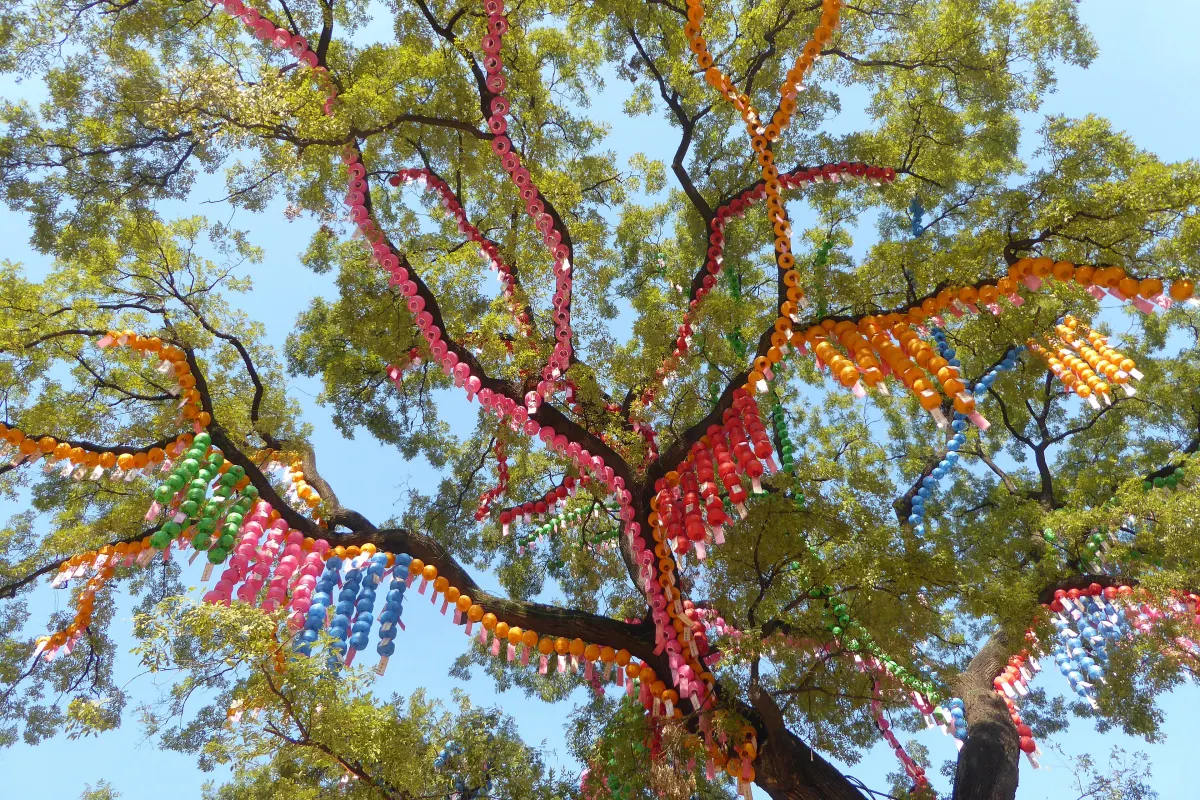
The biggest holidays are Seollal (Lunar New Year, in January or February) and Chuseok (the harvest festival, in September or October). Families travel home, trains and buses sell out, and many shops and restaurants close for a few days, though palaces and museums are often open, and Seoul is quiet. The Buddha's birthday, in April or May, fills temples with lanterns. Spring brings cherry blossom festivals, such as Jinhae's.
See also: Food and drink and Safety and laws.

Comments
No comments yet.