
Safety in South Korea: crime, North Korea, drills, drugs and the law
South Korea is one of the safest countries in the world to visit, with little violent crime, even late at night in the cities. The bigger risks are the ones you might not expect: very strict drug laws, the weather, traffic, and, in the background, North Korea.
Crime
- Theft is unusual, and people often leave phones and laptops on café tables. Still, watch your things in crowded places and nightlife areas, and keep valuables out of sight.
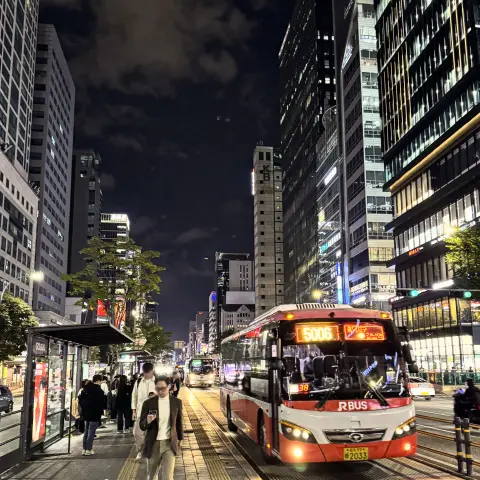
- Assaults, including sexual assaults, are rare, but they do happen, mostly around bars and nightlife areas such as Itaewon and Hongdae late at night. Watch your drink, take care if you're alone at night, and use registered taxis or taxi apps.
- Scams aimed at tourists are uncommon. Watch for unlicensed taxis at airports and in nightlife areas, overpriced bars where someone invites you in, and people asking you to join a religious group or "culture" session.
- Keep your passport, or a copy of it, with you: you're required to carry ID, though you're rarely asked for it.
North Korea and the DMZ
- Tensions with North Korea rise and fall, especially around missile tests and the regular military exercises of South Korea and the USA. Daily life in the South is rarely affected, and Koreans are used to it, but follow the news and the advice of the local authorities.
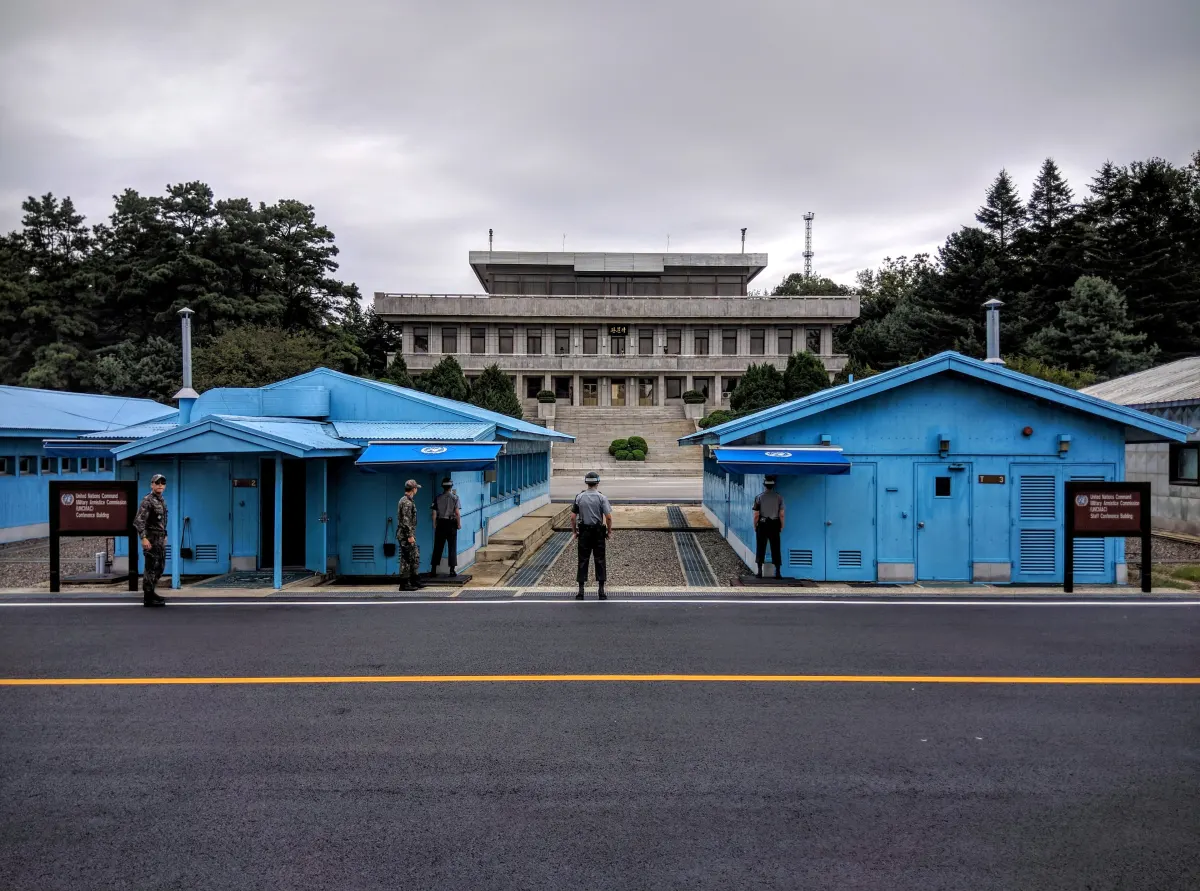
- Visit the DMZ only on an organised tour or at the official observatories and sites, and follow the soldiers' instructions about where you can go and what you can photograph. Tours can be cancelled at short notice when tension rises.
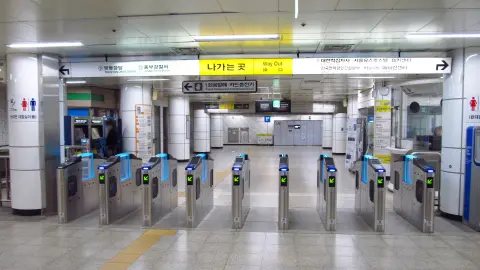
- Civil defence drills are held regularly. When the sirens sound, traffic may be stopped and people asked to go into subway stations or basements. You don't have to take part, but follow any instructions.
- Download the government's Emergency Ready app for alerts in English, and find your nearest shelter: they're marked in subway stations and big buildings.
Drugs
- Korea's drug laws are very strict. Possessing or using even small amounts of any illegal drug, including cannabis, can mean a long prison sentence and heavy fines, followed by deportation.
- Foreigners have been arrested on the basis of a drug test alone, and Korean law can treat drugs taken abroad as a crime. Don't bring CBD oils, cannabis sweets or vapes, or anything else containing cannabis, even if it's legal where you bought it.
- Some prescription medicines are controlled too: see Health.
Other laws
- Political activity: foreign nationals are not allowed to take part in political activities in Korea, including demonstrations. Stay away from large protests, which are usually peaceful but can be crowded.
- Photography: taking photos or videos of people without their consent, especially secretly, is a crime. Don't photograph military sites or the DMZ where signs or soldiers say not to. Flying a drone needs permission in much of Seoul, and near airports and military areas.
- Drink-driving limits are very low and enforced. If you drive and hit a pedestrian or cyclist, you'll usually be treated as at fault.
- Working on a visa-free entry is illegal, including teaching English without the right visa.
- Men of Korean origin who may hold Korean nationality, even without knowing it, may be liable for military service. Check with the Korean embassy before travelling.
Crowds, roads and the weather
- Seoul's nightlife areas and festivals get extremely crowded, especially at Halloween, Christmas and New Year. In 2022, 159 people died in a crowd crush in Itaewon. Avoid the busiest narrow streets at peak times, and leave if a crowd feels unsafe.
- Cars, buses and delivery motorbikes don't always stop at pedestrian crossings, and motorbikes and scooters ride on pavements. Look both ways, even on a green light.
- Heavy rain, typhoons, heat and winter cold are the main natural risks: see Weather and seasons. Hikers get into trouble every year: see Hiking.
Numbers to call
- 112: police. 119: fire and ambulance. Both have interpreters, and you can ask for English.
- 1330: the Korea Travel Hotline, for tourist information and help in English and other languages (+82-2-1330 from a foreign phone).
- Your embassy, for lost passports and if you're arrested: most have their embassy in Seoul.
Check your own government's travel advice before you go, for example the UK's or the USA's. See also: Health in South Korea.


Comments
No comments yet.