
Weather and seasons in South Korea: when to go, the rainy season and typhoons
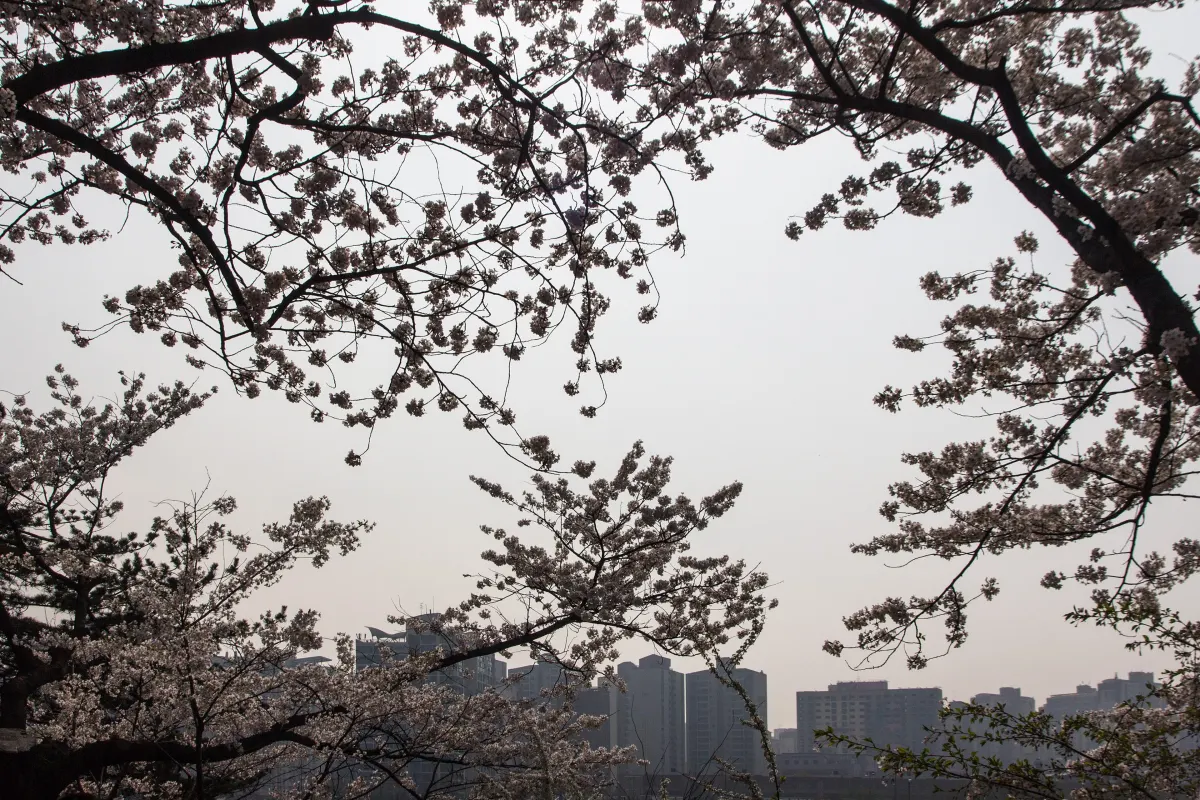
South Korea has four distinct seasons: hot, wet summers, cold, dry winters, and beautiful springs and autumns in between. Spring and autumn are the best times to visit, but every season has its attractions.
Spring: March to May
- Warm days and cool nights. Cherry blossom flowers from late March in the south (Jeju, Busan and Jinhae) to early or mid April in Seoul, followed by azaleas on the hills.
- Spring is also the season for yellow dust and fine dust, which can make the air hazy and unhealthy on some days: see Health.
- The Buddha's birthday, in April or May, brings lantern festivals to temples and Seoul's streets.
Summer: June to August
- Hot and humid, often above 30°C in July and August, with heatwaves.
- The monsoon, jangma, usually brings weeks of heavy rain from late June to late July, with floods and landslides in some years. Rain can be torrential: avoid hiking on mountain paths and camping by rivers during heavy rain warnings.
- Beaches such as Busan's Haeundae are packed in late July and August, Korea's holiday season.
Typhoons
- The typhoon season is from about June to November, but most typhoons that reach Korea come in August and September, hitting Jeju and the south coast hardest.
- When one is coming, flights and ferries are cancelled, and phones get emergency alerts. Follow the advice of the Korea Meteorological Administration (KMA), and the Emergency Ready app.
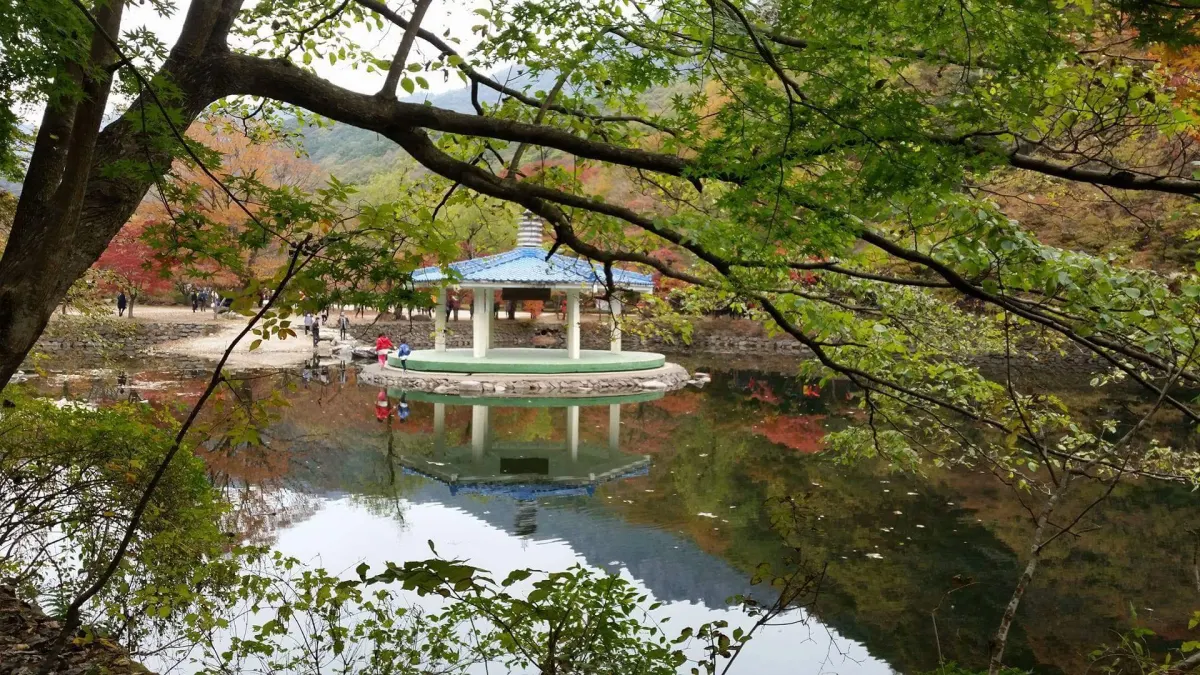
Autumn: September to November
- Clear skies, cool, dry air, and the best weather of the year. The autumn leaves turn red and gold from mid-October in the northern mountains, such as Seoraksan, to early November in the south, at Naejangsan and elsewhere. The famous trails are very crowded at weekends.
- Chuseok, the harvest festival, falls in September or early October: book transport early.
Winter: December to February
- Cold and mostly dry, with bitter winds from Siberia. Seoul is often below −10°C on the coldest days, and the mountains of Gangwon colder. Busan and Jeju are milder.
- There's snow in the mountains, and skiing in Gangwon, around Pyeongchang. Hiking in winter needs crampons on icy paths.
- It's the cheapest time to visit, apart from the Seollal holiday, and the palaces look beautiful in snow. Fine dust can be bad in winter too.
Busy times
- Seollal (Lunar New Year, January or February) and Chuseok (September or October): trains, buses and flights are full, roads are jammed, and some shops and restaurants close for a few days.
- Late July and early August, and the weeks of cherry blossom and autumn leaves.
- Korean school holidays, and the holidays in China and Japan (such as Golden Week), when Seoul, Busan and Jeju fill with visitors.
What to pack
Layers in spring and autumn, light, breathable clothes and an umbrella in summer, and a proper winter coat, hat and gloves in winter. Comfortable walking shoes all year: you'll walk a lot, and climb a lot of subway steps.
See also: Hiking and national parks, and the itineraries: 7 days from Seoul to Busan.
Comments
No comments yet.