
Health in South Korea: hospitals, pharmacies, medicines and air quality
South Korea has excellent healthcare, and few health risks for visitors. The things to plan for are medicine you bring with you, travel insurance, and bad air on some days in spring and winter.
Before you go
- Get travel insurance that covers medical treatment: hospitals are good but you pay as a visitor, and you may have to pay up front before your insurer pays you back.
- Make sure your routine vaccinations are up to date. Your doctor or travel clinic may suggest others, such as hepatitis A or Japanese encephalitis if you'll spend a long time in the countryside, and say whether you need malaria tablets: there's a small risk near the DMZ in summer.
Bringing medicines
- Bring small amounts of medicine for your own use, enough for your trip, in your hand luggage and its original packaging, with an English prescription or a letter from your doctor, for prescription and over-the-counter medicines.
- Some medicines that are common elsewhere count as narcotics or psychotropics in Korea, which can include some ADHD medicines, strong painkillers and sleeping pills. They may need permission from Korea's Ministry of Food and Drug Safety before you travel. Check its website, or ask the Korean embassy, well before you go.
- Don't bring anything containing cannabis or CBD: see Safety and laws.
Pharmacies and doctors
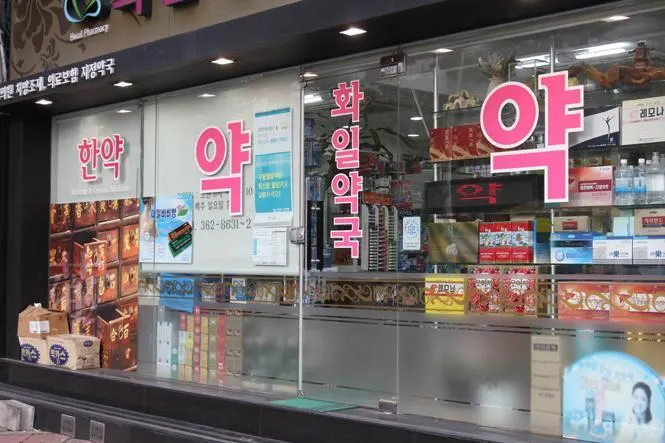
- Pharmacies (yakguk, marked 약) are everywhere, and pharmacists can recommend medicines for minor problems. Many are closed on Sundays and late at night.
- Convenience stores sell a few basic medicines, such as painkillers, cold remedies and plasters, 24 hours a day.
- For anything more, go to a local clinic (uiwon), which is quick and cheap, or a big hospital. Big hospitals in Seoul and Busan have international clinics with English-speaking staff, and charge more. Seoul's Dasan 120 call centre and the 1330 hotline can help you find one.
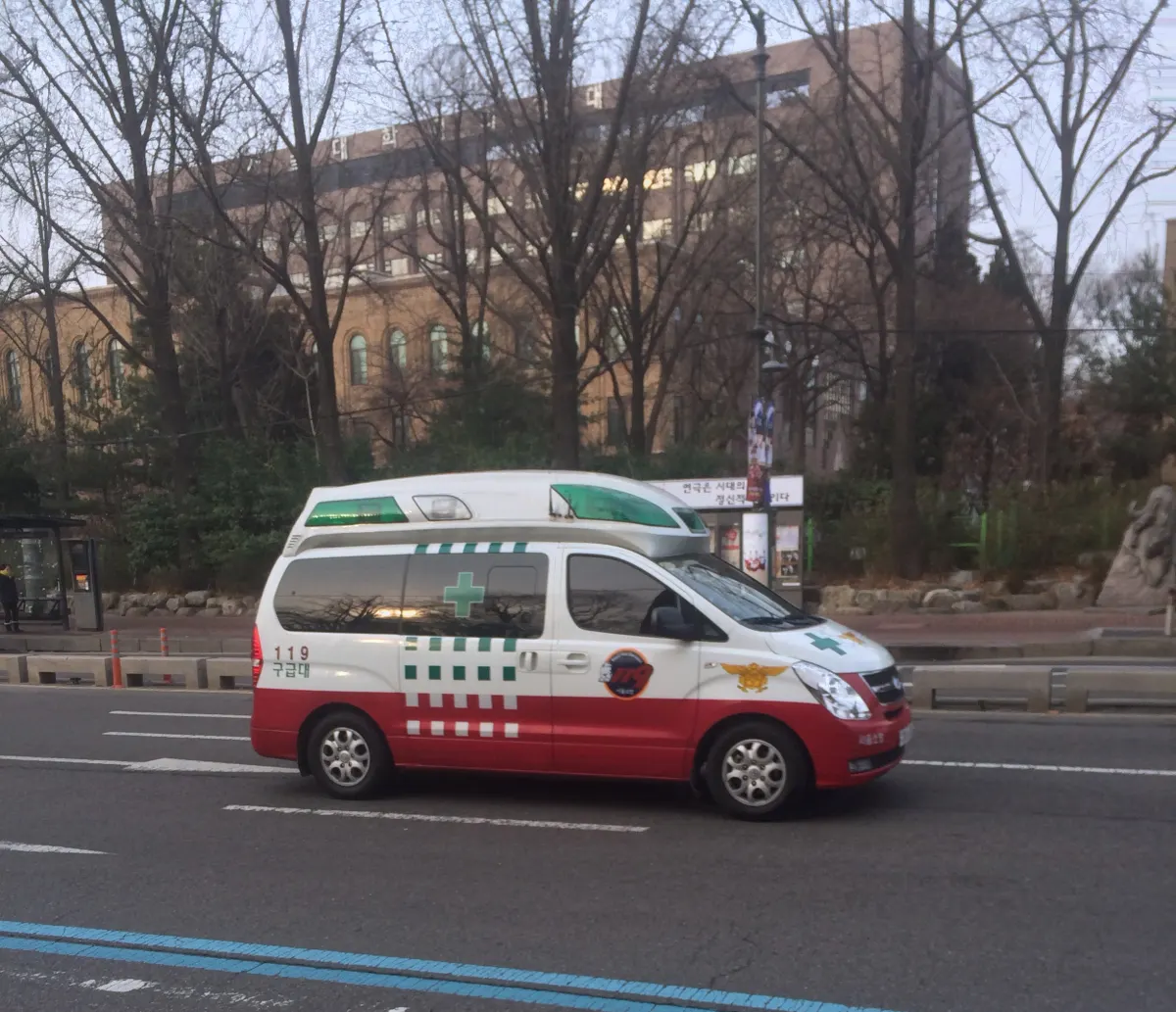
- In an emergency, call 119 for an ambulance.
- If you're admitted to hospital, Korean hospitals often expect family or a paid carer to help look after you.
Air quality
- Fine dust (misemeonji), partly from China and partly from Korea itself, makes the air bad on some days, especially from winter to spring. In spring, yellow dust (hwangsa) can blow in from the deserts of China and Mongolia.
- Check the air quality forecast in Naver Map, a weather app, or AirKorea. On bad days, Koreans wear KF94 masks (sold in every convenience store), and people with asthma or heart problems should stay indoors.
Heat, cold and the outdoors
- Summers are hot and humid, with heatwaves in July and August: drink plenty, and slow down in the afternoon heat. Winters are cold, well below freezing in Seoul and the mountains: bring proper winter clothes. See Weather and seasons.
- Ticks in long grass can carry SFTS, a serious viral infection, and other diseases. On hikes, stay on the paths, cover your legs, use repellent, and check for ticks afterwards.
- Mosquitoes are a nuisance in summer, and can carry Japanese encephalitis and, near the DMZ, malaria: use repellent.
- Tap water is safe, and food hygiene is good. Be careful with raw seafood and raw beef if you have a weak stomach.

Comments
No comments yet.