
Money in South Korea: cards, cash, tax refunds and tipping
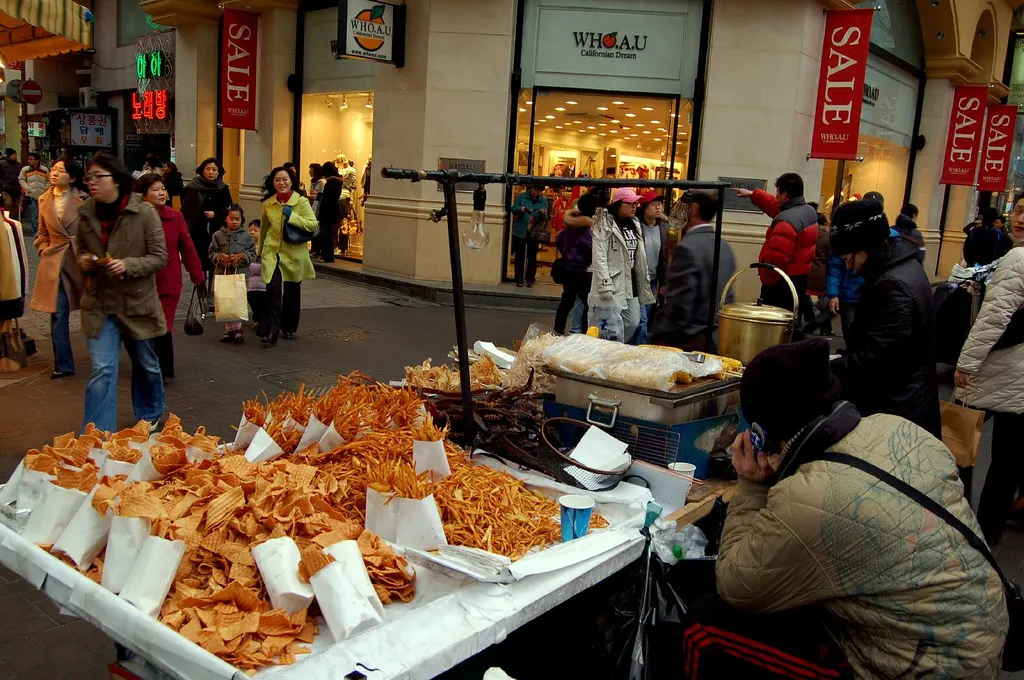
South Korea is a card country: you can pay by card almost everywhere, from taxis to convenience stores. But some foreign cards are turned down by apps and smaller places, so keep some cash in won too. You don't tip, and visitors get a refund of the tax on things they buy to take home.
Cards
- Visa and Mastercard are accepted in most shops, restaurants, hotels and taxis, and on many subway ticket machines. American Express, JCB and UnionPay are accepted less widely.
- Some places, and many Korean apps and websites (for food delivery, train and bus tickets or taxis), only accept Korean cards, or turn down foreign cards without saying why. Carry a second card, and some cash.
- Paying with your phone with a foreign card works in some places but not all, so carry the physical card.
- Pay in won, not your home currency, when a card machine offers you the choice: the exchange rate is worse.
Cash and ATMs
- You'll need cash for street food, traditional markets, some small restaurants, topping up T-money cards, and in the countryside.
- Not every Korean ATM takes foreign cards: look for ones marked "Global" or "Foreign card", in bank branches, airports, subway stations and convenience stores. ATMs charge a fee, and your own bank may add one.
- Money exchange offices in Myeongdong and other tourist areas often give better rates than the banks, and much better than the airport.
- Prepaid travel cards for visitors, such as WOWPASS, are sold from machines at the airport and in tourist areas. You load them with cash or a card, and they work as a debit card and a T-money card, which gets round some of the problems with foreign cards.
Tax refunds
Prices include 10% VAT. Visitors staying less than six months can claim some of it back on things they take out of Korea, in shops marked Tax Free or Tax Refund.
- You need to spend at least 15,000 won in one shop, on one receipt, and leave Korea with the goods, unused, within three months.
- Immediate refund: in many department stores, big supermarkets, cosmetics shops and some convenience stores, show your passport when you pay and the tax is taken off at the till, for each purchase from 15,000 won to under 1 million won, up to 5 million won in all on one trip.
- Otherwise, the shop gives you a refund receipt. Take it to a refund kiosk in the city, or at the airport when you leave, and get the money in cash or on your card.
- At the airport, use the refund kiosks or counters before you check in if a customs officer may need to see the goods, as they could ask to; otherwise there are counters after security. Allow extra time.
What things cost
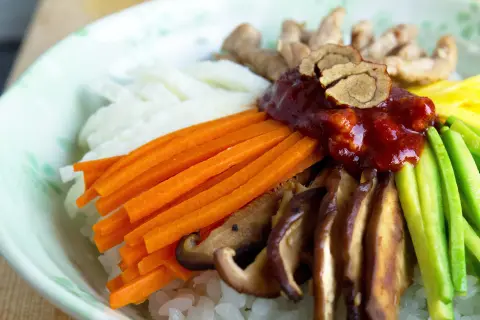
- Korea costs less than Japan but more than most of Southeast Asia. A simple meal in a local restaurant, such as a bowl of soup or bibimbap, is cheap; Korean barbecue, which is priced per portion and usually needs at least two portions, costs more. Coffee in a café can cost as much as a meal.
- Public transport is very cheap, and so are taxis compared with Europe or North America. Hotels in Seoul are the biggest cost: guesthouses, motels and hanok stays are cheaper.
- Prices in shops are fixed, except in some traditional markets.
Tipping
Koreans don't tip, and staff in restaurants, taxis and hotels don't expect it. Some upmarket hotels and restaurants add a service charge to the bill. Water and side dishes are free in restaurants.
See also: Phones and apps and Korean food and drink.
Comments
No comments yet.