Natural features

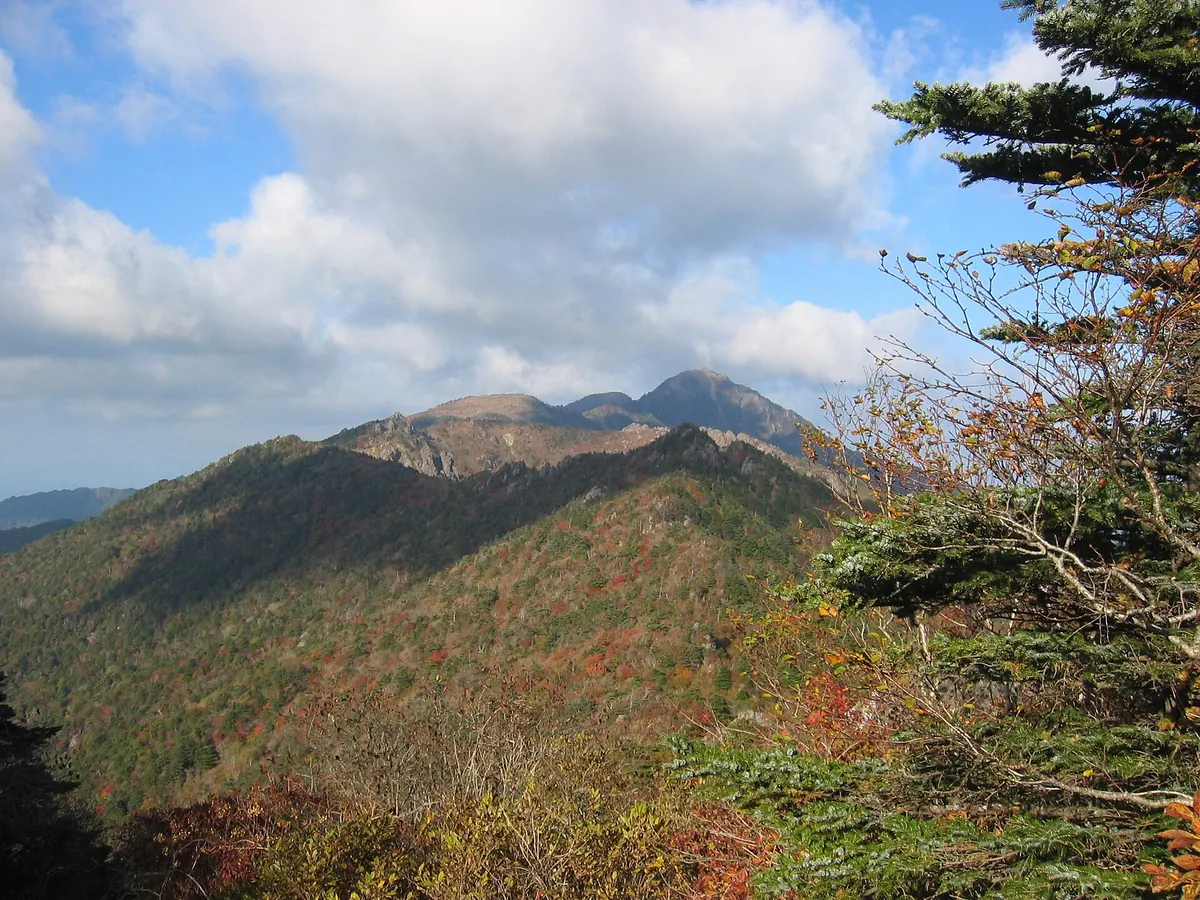
Jirisan National Park
South Korea South Jeolla Gurye-gun

Jirisan National Park
Photo: by eimoberg, CC BY 2.0, via Wikimedia Commons

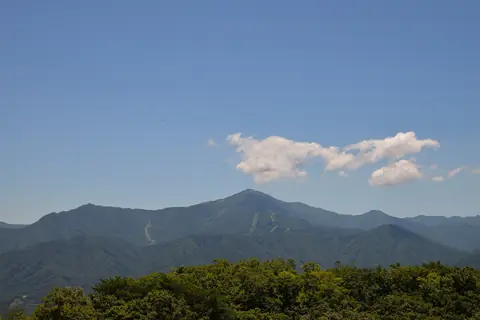
Korea's first national park, created in 1967, and its largest mountain park: a long range of peaks and ridges in the south of the country, rising to Cheonwangbong, at 1,915 m the highest point on the mainland.


The classic hike is the main ridge traverse, about 25 km over two or three days, staying in mountain shelters that must be booked ahead with the national park service. Shorter walks follow river valleys such as Piagol, famous for its autumn colours, and Baemsagol.


At the foot of the mountains are some of Korea's great temples: Hwaeomsa near Gurye, with its huge wooden hall, and Ssanggyesa near Hadong, among wild tea fields. Buses run from Seoul and Busan to the villages around the park.
Comments

No comments yet.

Natural features

Suncheon Bay wetland

Suncheon, South Jeolla

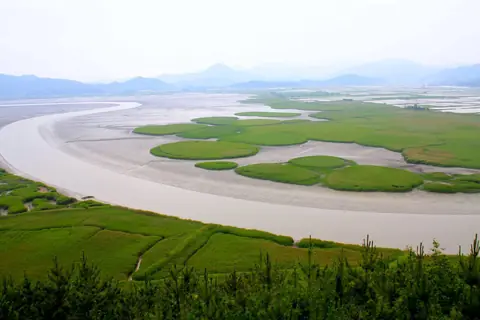
One of the world's best-preserved coastal wetlands, where vast golden reed beds and mudflats spread out at the mouth of a river on Korea's south coast.

Natural features

Juknokwon bamboo forest, Damyang

Damyang-gun, South Jeolla

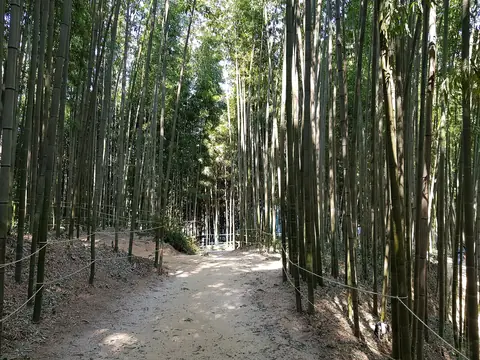
A hillside forest of tall, swaying bamboo in Damyang, Korea's bamboo town, with about 2 km of paths winding through the green stems.

Natural features

Mudeungsan National Park

Gwangju

A broad mountain rising above the city of Gwangju, made a national park in 2013.

Food and drink

Yeosu seafood and gejang

Yeosu, South Jeolla

Yeosu, a port on Korea's south coast, is known for its seafood and its night sea views.

Historic sites

May 18th National Cemetery, Gwangju

Gwangju

The resting place of the people killed in the Gwangju Uprising of May 1980, when citizens of Gwangju rose up against military rule and were violently…

Natural features

Deogyusan National Park

Muju-gun, North Jeolla

A high, forested range in the south of Korea, with one of the country's best ski resorts and an easy way to the top: a gondola from the Muju resort c…