Historic sites

May 18th National Cemetery, Gwangju
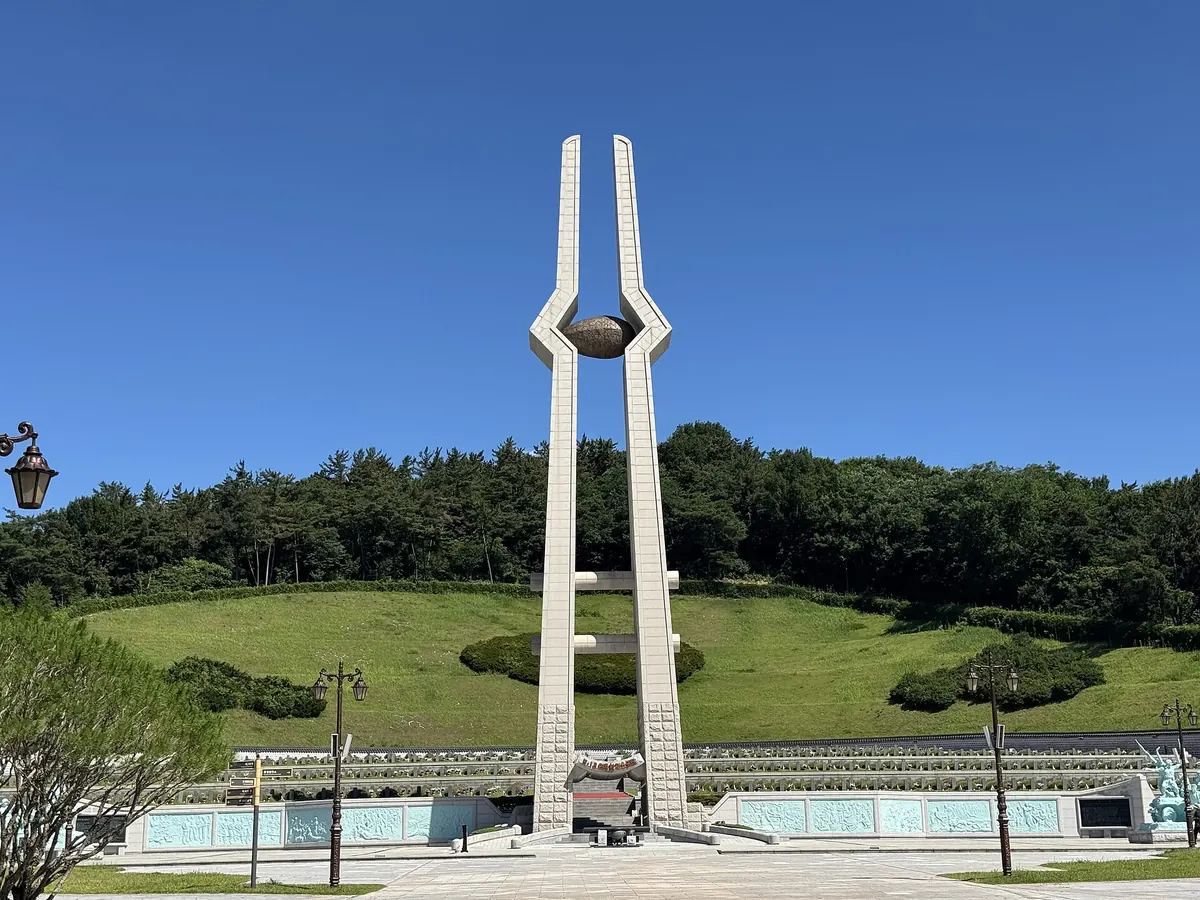
South Korea Gwangju Gwangju

May 18th National Cemetery, Gwangju
Photo: *Youngjin, CC BY-SA 4.0, via Wikimedia Commons

The resting place of the people killed in the Gwangju Uprising of May 1980, when citizens of Gwangju rose up against military rule and were violently put down by troops. The uprising is now seen as a turning point in Korea's path to democracy.


The cemetery has a tall memorial tower, a hall with portraits of the victims and an exhibition on the events. Nearby is the old Mangwol-dong cemetery, where the victims were first buried. In central Gwangju, the May 18 Archives and the Asia Culture Center, at the site of the old provincial office, tell more of the story.


Buses run from central Gwangju. Ceremonies are held each year on 18 May.
Comments

No comments yet.

Natural features

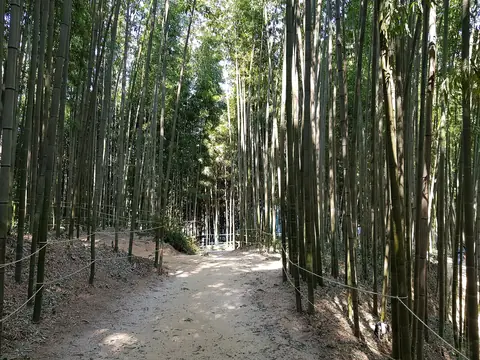
Juknokwon bamboo forest, Damyang

Damyang-gun, South Jeolla

A hillside forest of tall, swaying bamboo in Damyang, Korea's bamboo town, with about 2 km of paths winding through the green stems.

Natural features

Mudeungsan National Park

Gwangju

A broad mountain rising above the city of Gwangju, made a national park in 2013.

Food and drink

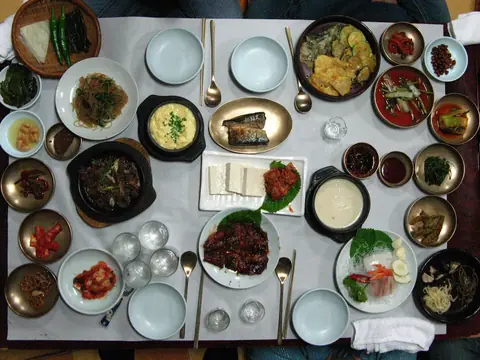
Namdo hanjeongsik (Jeolla table feast)

Gwangju

The Jeolla provinces of the southwest are known as Korea's best region for food, and the hanjeongsik, a full-course Korean meal, shows it off: a tabl…

Food and drink

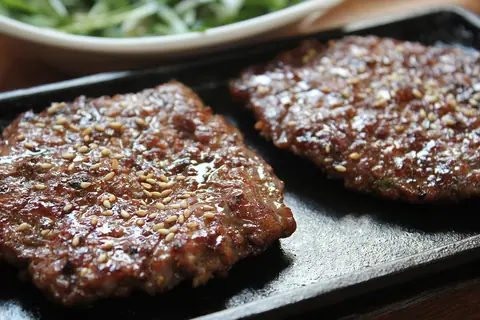
Tteokgalbi in Gwangju and Damyang

Gwangsan-gu, Gwangju

Tteokgalbi is minced short rib meat, seasoned and shaped into patties, then grilled until caramelised.

Historic sites

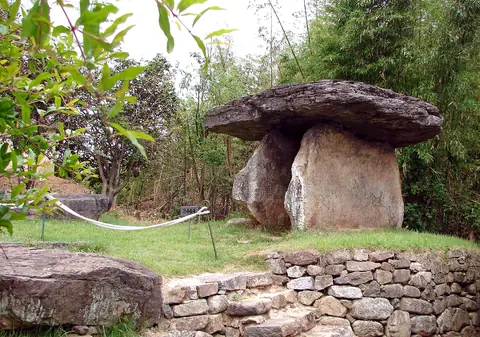
Gochang dolmens

Gochang-gun, North Jeolla

Korea has a large share of the world's dolmens, ancient stone tombs from the Bronze Age, and Gochang has one of the largest groups, with hundreds sca…