
Getting around Australia: flights, trains, coaches and city transport
Australia is huge, and for most visitors the way to cover it is to fly between the regions and then drive, take a tour, or use public transport once you're there. Long-distance trains are a slow, memorable experience rather than a cheap way to travel, and coaches link most towns on the east coast. In the cities, public transport is good, and in most of them you can now pay simply by tapping your bank card.
Domestic flights
- The airlines: Qantas, Virgin Australia and Jetstar (Qantas's low-cost airline) fly between the capital cities and many regional towns, and regional airlines fly to smaller and remote towns.
- Distances: Sydney to Melbourne is about 1½ hours, Sydney to Perth about 5 hours, and Sydney to Cairns about 3 hours. Flying from Sydney or Melbourne to the Uluru area is far quicker than driving there.
- Book ahead for school holidays and long weekends. Low-cost fares often don't include checked bags.
- Australia's time zones can catch you out: Perth is two or three hours behind Sydney, and Queensland doesn't have daylight saving time while New South Wales and Victoria do.
Long-distance trains
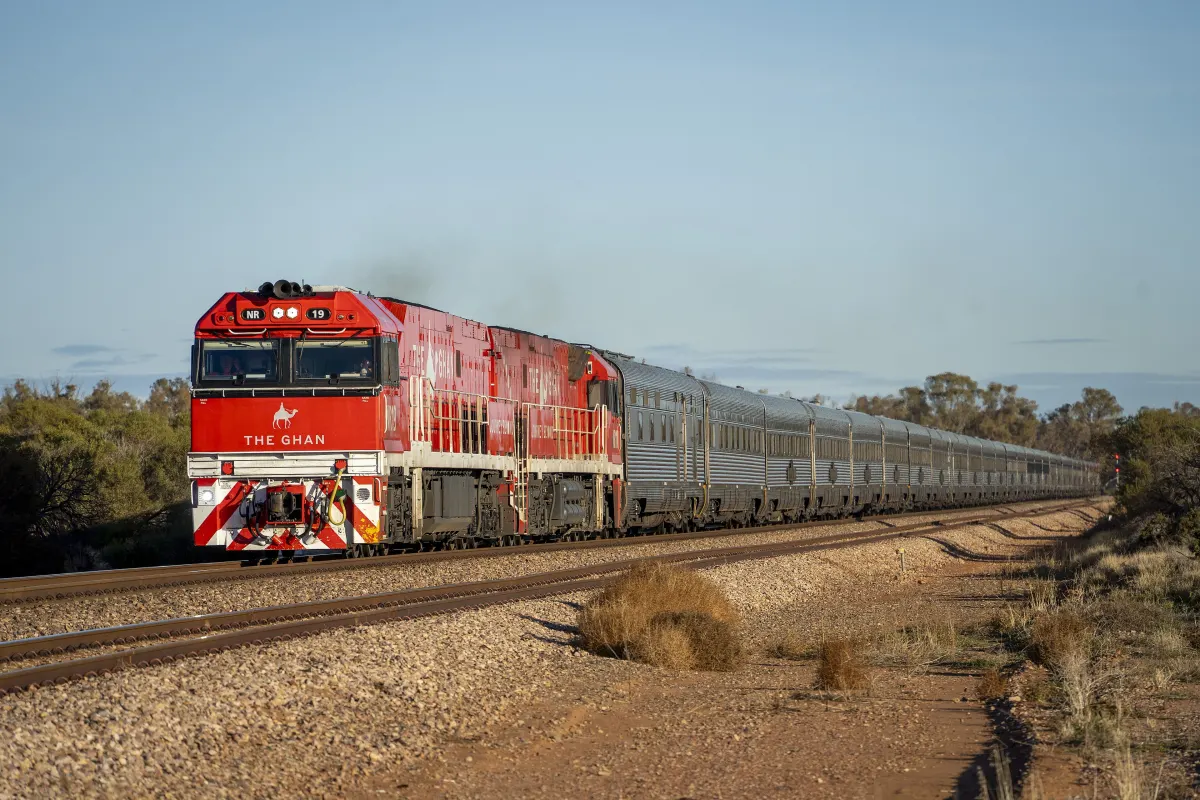
Australia's great train journeys are run by Journey Beyond as all-inclusive trips, with cabins, meals and drinks, and off-train excursions in the price. They're expensive, and most people take them for the experience rather than to get somewhere:
- The Ghan: Adelaide to Alice Springs and Darwin, 2,979 km through the centre of the continent.
- The Indian Pacific: Sydney to Adelaide and Perth, 4,352 km, including the world's longest straight stretch of railway across the Nullarbor Plain.
- The Great Southern: Brisbane to Sydney and Adelaide, in December and January only.
- The Overland: Melbourne to Adelaide, a day train with ordinary seats, a couple of times a week.
Book well ahead on Journey Beyond's website.
More everyday trains, run by the states, are cheaper:
- Queensland: the Spirit of Queensland runs from Brisbane to Cairns, 1,681 km in about 25 hours, several times a week, with seats and "RailBeds" (seats that become flat beds). The Tilt Train runs to Bundaberg and Rockhampton, and outback trains (the Spirit of the Outback, the Westlander and the Inlander) go inland. Book with Queensland Rail Travel. Near Cairns, the Kuranda Scenic Railway climbs through the rainforest.
- New South Wales: NSW TrainLink's XPT trains run from Sydney to Melbourne (about 11 hours) and to Brisbane, and there are trains to many country towns, such as the Blue Mountains on the Sydney suburban network.
- Victoria: V/Line trains and coaches link Melbourne with regional towns, such as Ballarat, Bendigo and Warrnambool.
Coaches
- Greyhound Australia runs coaches all along the east coast between Melbourne, Sydney, Brisbane and Cairns, and across the north and the centre. It has hop-on hop-off passes for a set number of days, popular with backpackers. See greyhound.com.au.
- Other companies and the state rail operators' coaches cover regional routes, and the backpacker tour buses on the east coast are another way to travel.
- Coaches are cheap but slow: Sydney to Brisbane takes around 15 to 17 hours.
Ferries
- Tasmania: the Spirit of Tasmania car ferry sails across Bass Strait between Geelong, near Melbourne, and Devonport. It takes 10 to 11 hours, and you can take your car or campervan (check whether your rental company allows it). Book early for summer.
- Kangaroo Island: SeaLink ferries cross from Cape Jervis, south of Adelaide.
- Ferries also run to islands such as Rottnest, K'gari, Magnetic Island and Moreton Island, and around Sydney Harbour.
City public transport
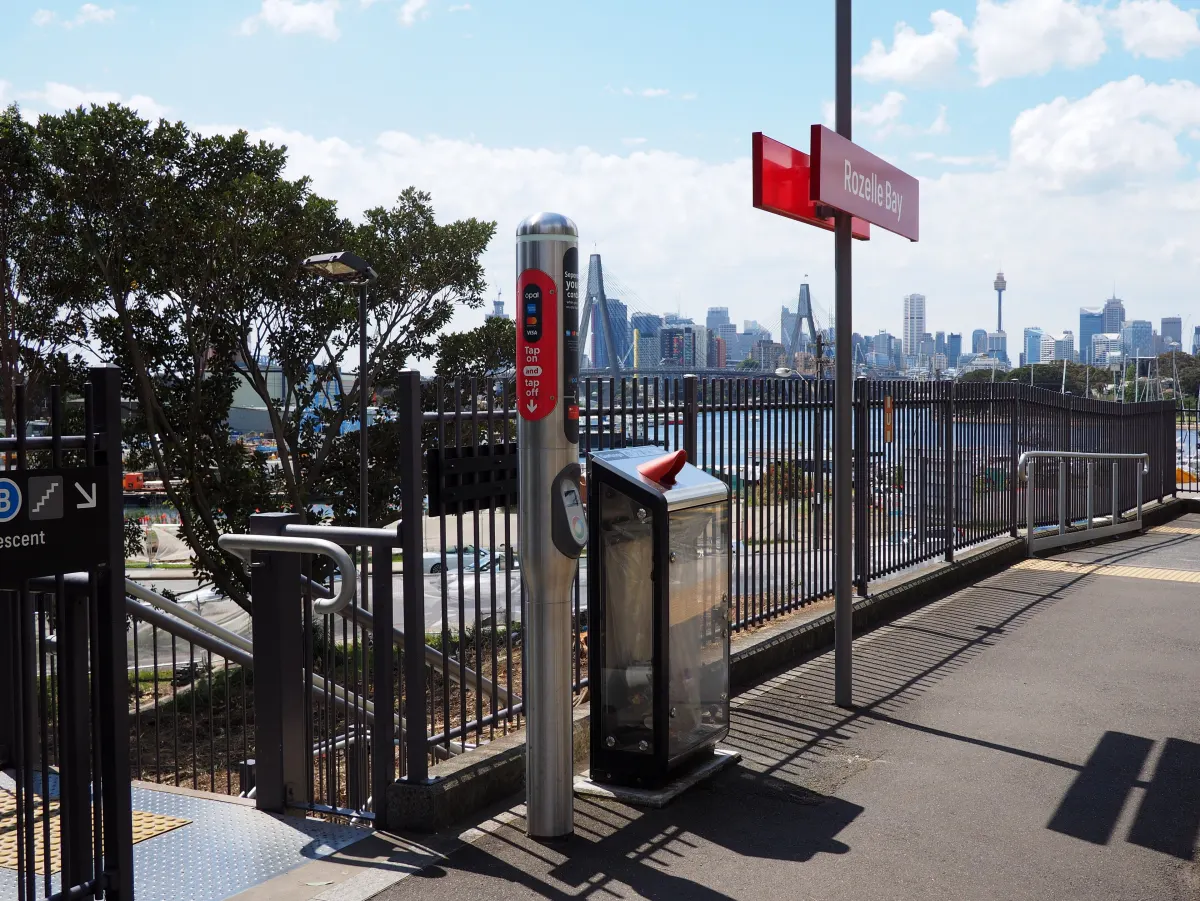
Each city has its own card, but in most of them you no longer need it: you can tap on and off with a contactless credit or debit card, or a phone or watch, and pay the same fare as with the card. Tap on and off every time, and use the same card or device each time.
- Sydney: the Opal network covers trains, the metro, buses, ferries and light rail. Contactless cards and phones work on all of them, with daily and weekly fare caps. A ferry across the harbour to Manly or Taronga Zoo is one of the best things to do in the city.
- Melbourne: the myki card covers trains, trams and buses, and contactless bank cards and phones are being rolled out across the network during 2026: they already work on trains. Check Transport Victoria for where you can use them. Trams in the city centre are free within the Free Tram Zone: don't tap on there. If you're a concession holder, or contactless doesn't work on your route, you'll need a myki.
- Brisbane and South East Queensland: the go card, or contactless bank cards and phones (but not American Express) on trains, trams, Brisbane's ferries and most buses. Public transport fares in Queensland were cut to a flat 50 cents in 2024.
- Perth: the SmartRider card, or contactless bank cards and phones, since December 2025.
- Adelaide: the metroCARD, or tap and pay with a bank card or phone, on trains, trams and buses.
- Hobart and Canberra: check the Metro Tasmania and Transport Canberra websites; you may need the local card or cash.
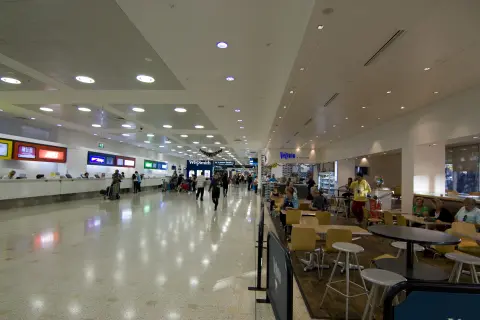
- Airports: trains link Sydney and Brisbane airports with the city (they charge a station access fee or higher fare); in Melbourne, the SkyBus runs to the city.
Uber and other ride-hailing apps work in all the cities, and taxis are metered.
Car, campervan or tour?
Outside the cities, public transport is limited, and many of the best places, such as the national parks, can only be reached by car or on a tour. Hiring a car or a campervan for each region, after flying there, is often the best plan. See Driving in Australia and Camping and campervans. In the remote north and centre, a tour is often easier than driving yourself.

Comments
No comments yet.