
Weather, seasons and what to pack for Australia
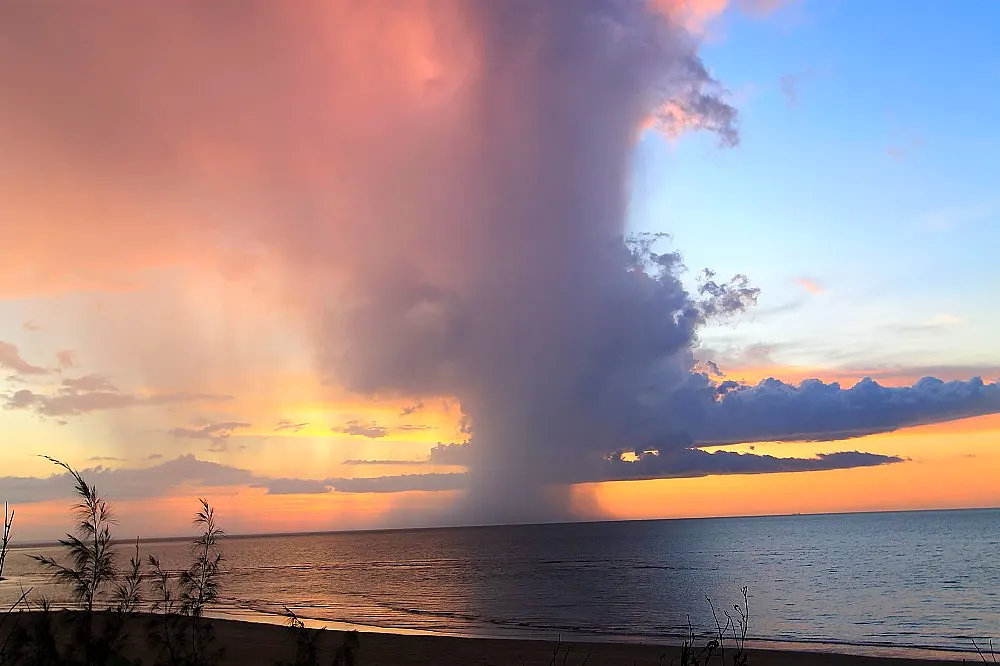
Australia is in the southern hemisphere, so its seasons are the opposite of Europe's and North America's: summer is December to February and winter is June to August. But it's a big country, and its weather is really two different climates. The tropical north has a wet and a dry season, while the temperate south has four seasons much like Europe's. When it's the best time to visit one, it's often the worst for the other.
The tropical north: the wet and the dry
Roughly the top third of the country, including Darwin, Kakadu, the Kimberley, Cairns, the Daintree and Cape York, is hot all year, with two main seasons:
- The dry season (about May to October): warm, sunny days, cooler nights, low humidity and almost no rain. It's the best time to visit, and the busiest: book campsites, tours and accommodation early. Outback roads and the national parks' tracks are open, and the waterfalls are still flowing early in the season.
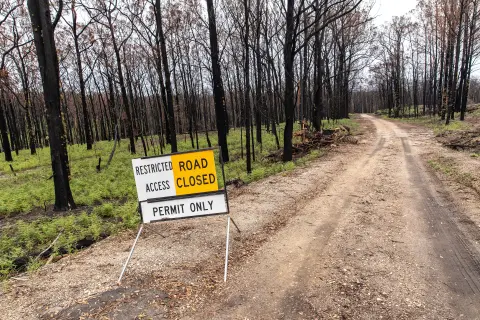
- The wet season (about November to April): hot and very humid, with heavy afternoon storms and monsoon rain. Waterfalls are spectacular and the country is green, and it's cheaper and quieter, but floods close roads (including some highways, sometimes for days), many unsealed roads and parts of national parks such as Kakadu are closed, and some tours stop. It's also cyclone season, and marine stinger season on the coast.
The Aboriginal people of the north traditionally recognise six or more seasons a year; the cultural centres in Kakadu explain them.
The south: four seasons
Sydney, Melbourne, Adelaide, Perth, Canberra and Tasmania have warm to hot summers and cool winters.
- Summer (December to February): the beach season, and the school holidays (from just before Christmas to late January), when coast towns, campsites and flights are busy and expensive. Days can be very hot, especially inland and in Adelaide and Perth, and it's the main bushfire season. Melbourne is known for its changeable weather: a 40°C day can be followed by a cool change and 20°C the next.
- Autumn (March to May): settled, mild weather, and often the best time of year in the south. Good for walking and wine regions.
- Winter (June to August): cool and sometimes wet in the cities: Sydney and Perth are mild, Melbourne, Canberra and Hobart can be cold, with frosts inland. It snows in the Australian Alps of New South Wales and Victoria, and in the Tasmanian highlands, and there are ski resorts. It's whale-watching season along the coast, and the best time for the Red Centre and the north.
- Spring (September to November): wildflowers, especially in Western Australia, and warming weather, but it can be windy and changeable.
The Red Centre and the outback
Around Uluru and Alice Springs it's a desert climate: summer days are often over 40°C, and some walks close in the heat, while winter days are sunny and pleasant but nights can fall below freezing. The best time to visit is from April to September. Rain is rare, but when it comes it can close dirt roads.
When to go where
- Sydney, Melbourne and the south coast: October to April for the beaches; March to May for settled weather.
- Tasmania: December to March is warmest. It can snow on the mountains at any time of year.
- The Great Barrier Reef and Far North Queensland: May to October is driest and most comfortable, but the reef can be visited all year.
- Darwin, Kakadu and the Kimberley: May to October. The Gibb River Road is usually only open in the dry season.
- The Red Centre: April to September.
- Perth and the south-west: September to November for wildflowers, or summer for the beaches.
The Bureau of Meteorology has forecasts and warnings for the whole country, and its app is free.
What to pack
- Sun protection: a broad-brimmed hat, sunglasses, a long-sleeved shirt and SPF50+ sunscreen (easy to buy in Australia). See Sun, heat and bushfire safety.
- Layers: even in summer, evenings in the desert and the south can be cool. In winter, bring a warm jacket for Melbourne, Canberra, Tasmania and the outback at night.
- A rain jacket, especially for Tasmania, Melbourne and the tropics in the wet.
- Swimwear and reef shoes. Stinger suits are provided on reef tours, or you can buy one in the north.
- Walking shoes or boots, clean, so they pass biosecurity when you arrive.
- Insect repellent, and a fly net for your head in the outback in summer: the flies are relentless, and you'll see locals wearing them.
- A water bottle. Tap water is safe to drink in the towns and cities.
- A power adaptor: Australia uses type I plugs (two flat pins at an angle, and often an earth pin) and 230 V.
Dress is casual almost everywhere, though some pubs and clubs won't let you in wearing thongs (flip-flops) in the evening.
See also: arriving in Australia and getting around.

Comments
No comments yet.