
The Great Ocean Road from Melbourne in 3 days
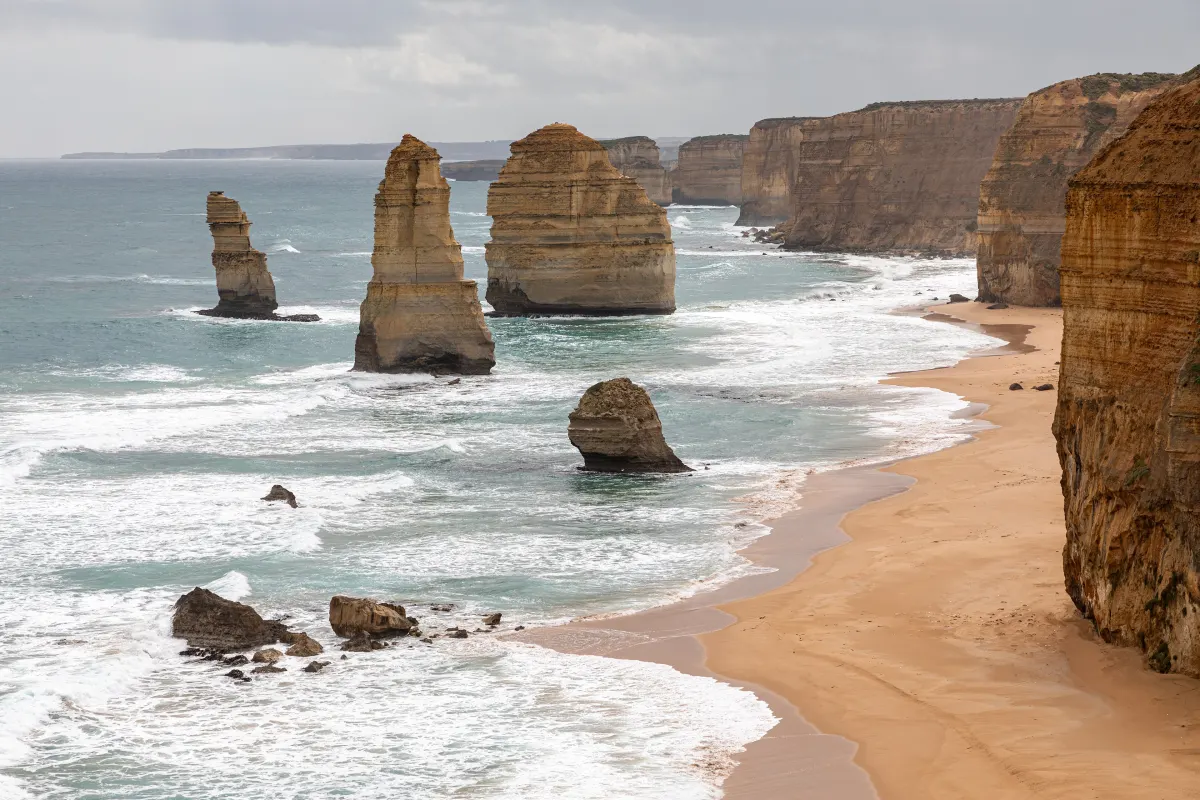
The Great Ocean Road winds along Victoria's south-west coast from Torquay to Warrnambool, past surf beaches, rainforest, koalas and the limestone stacks of the Twelve Apostles. You can see the Apostles on a long day trip from Melbourne, but the road deserves at least two nights: this loop of about 670 km takes three days, and comes back to Melbourne on the faster inland highway.
Map of the route
Melbourne, the Great Ocean Road and back, about 668 km
Instead: home through the Grampians, about 419 km
Click a dot for the place. Day numbers mark where each day ends. Route from OpenStreetMap (© OpenStreetMap contributors, ODbL).
Before you go
- Car, campervan or tour: driving yourself lets you stop where you like. Many tours do the whole trip in a day from Melbourne, but that's about 12 hours on a bus. V/Line trains and coaches reach the main towns, but there are few services along the road itself.
- Driving: the road is narrow and winding, with sharp bends and cliffs, so it's slow: allow far longer than the distance suggests. Use the pull-outs to let faster traffic pass, stop only in proper parking areas, and keep left (many crashes here involve visitors drifting to the right). See Driving in Australia.
- When: summer (December to February) is warmest and busiest. Autumn is quieter, and from about June to September southern right whales visit Warrnambool. The weather can change quickly at any time of year.
- Swimming: many beaches here are dangerous, with strong rips. Only swim between the flags on patrolled beaches, such as Lorne, Torquay and Apollo Bay in summer. See Beach safety.
- Which way: driving from east to west, as here, puts you on the side of the road nearest the sea and its lookouts.
Day 1: Melbourne to Apollo Bay (about 3½ hours)
Drive to Torquay, the start of the road and home of surfing's Bells Beach. Just beyond, see the kangaroos at Anglesea Golf Club. Pass under the Memorial Arch at Eastern View, which commemorates the returned soldiers who built the road after the First World War, and stop in Lorne for lunch or a walk to Erskine Falls. At Kennett River, walk up Grey River Road to see koalas in the trees. Stay in Apollo Bay.
Kangaroos at Anglesea Golf Club
A golf course at Anglesea, at the start of the Great Ocean Road, that is home to a large mob of wild eastern grey kangaroos, which graze on the fairw…
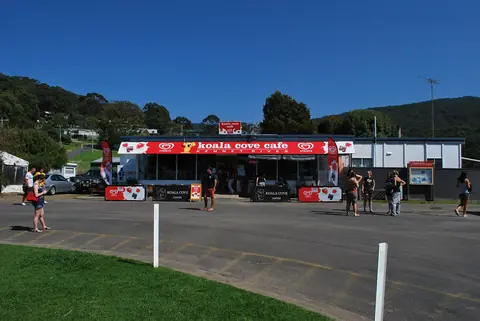
Koalas at Kennett River, Great Ocean Road
A small village on the Great Ocean Road, between Lorne and Apollo Bay, where you have a very good chance of seeing wild koalas in the gum trees along…
Day 2: Apollo Bay to Port Campbell or Warrnambool (about 2½ hours)
The road turns inland through the rainforest of Great Otway National Park: walk among the tree ferns at Maits Rest, and take the side road to Cape Otway Lightstation, looking for koalas on the way. Walkers can follow the coast on the Great Ocean Walk.
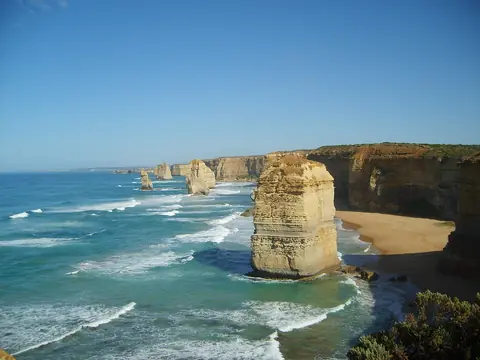
Then comes the most famous stretch of coast: the Twelve Apostles, best at sunrise or sunset (there are fewer than twelve now), Gibson Steps down to the beach below them, Loch Ard Gorge, where a ship was wrecked in 1878, and London Bridge, which lost its arch in 1990. Stay in Port Campbell, or carry on to Warrnambool.

Great Ocean Road and the Twelve Apostles
A 243 km coastal road in Victoria built by returned WWI soldiers, past surf beaches, rainforest and koalas, to the limestone stacks of the Twelve Apo…
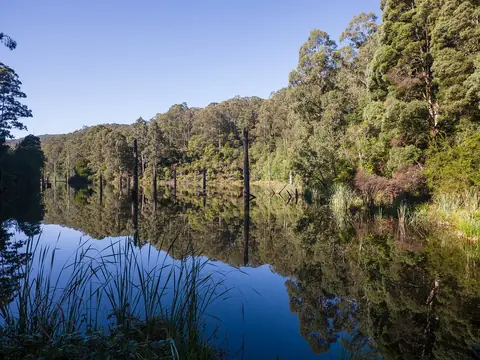
Great Otway National Park
A park that covers much of the Otway Ranges behind the Great Ocean Road, with cool temperate rainforest, giant mountain ash, tree ferns, waterfalls a…
Great Ocean Walk
A long-distance walk of about 110 km along the coast of the Great Otway and Port Campbell national parks, from Apollo Bay to the Twelve Apostles, usu…
Day 3: Warrnambool, and back to Melbourne (about 3½ hours)
In winter, look for southern right whales at Logans Beach in Warrnambool, where they come close to shore to give birth. Just west of the town, Tower Hill is an old volcano full of emus, koalas and kangaroos. Then drive back to Melbourne on the Princes Highway, which is much quicker than the coast road. With more time, carry on west to Port Fairy and Budj Bim, the World Heritage-listed Aboriginal eel traps.
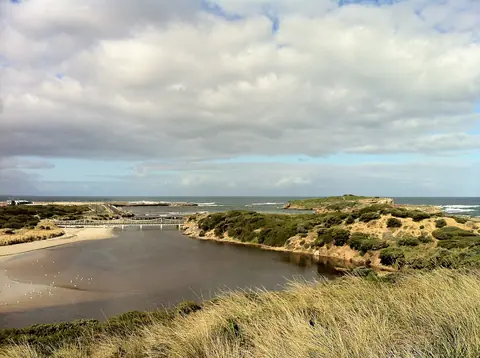
Southern right whales at Logans Beach, Warrnambool
A beach in Warrnambool, at the western end of the Great Ocean Road, where southern right whales come close to the shore each winter to give birth and…
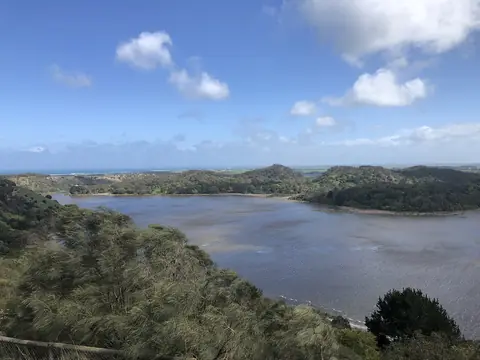
Tower Hill Wildlife Reserve
A huge volcanic crater, about 3 km across, near Warrnambool, filled with a lake and islands formed by later eruptions about 30,000 years ago.
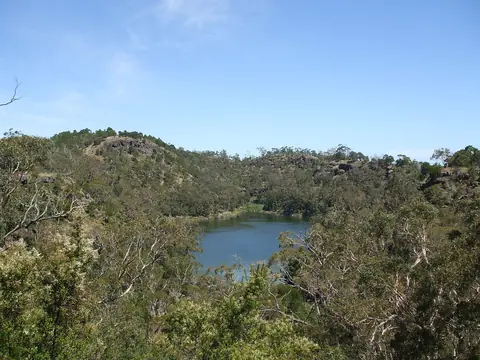
Budj Bim Cultural Landscape
A volcanic landscape in south-western Victoria where the Gunditjmara people built one of the world's oldest and most extensive aquaculture systems, a…
Instead: home through the Grampians
With an extra day or two, drive north from Warrnambool to the sandstone ranges of the Grampians (Gariwerd): the Pinnacle lookout, MacKenzie Falls, Aboriginal rock art, and kangaroos all over Halls Gap. The Royal Mail Hotel at Dunkeld is known for its food. Then return to Melbourne by way of the gold-rush city of Ballarat, with the Ballarat Wildlife Park and its grand old pubs.

Grampians National Park
Sandstone ranges in western Victoria with waterfalls, Aboriginal rock art and plenty of kangaroos.
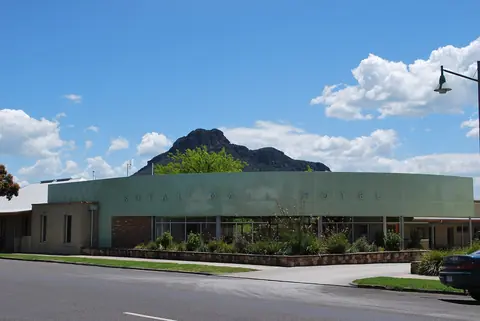
Royal Mail Hotel, Dunkeld
A country hotel at the southern end of the Grampians, in the small town of Dunkeld, which has grown from a 19th-century pub into one of Australia's b…
Comments
No comments yet.