
Arriving in Australia: the ETA, eVisitor and biosecurity
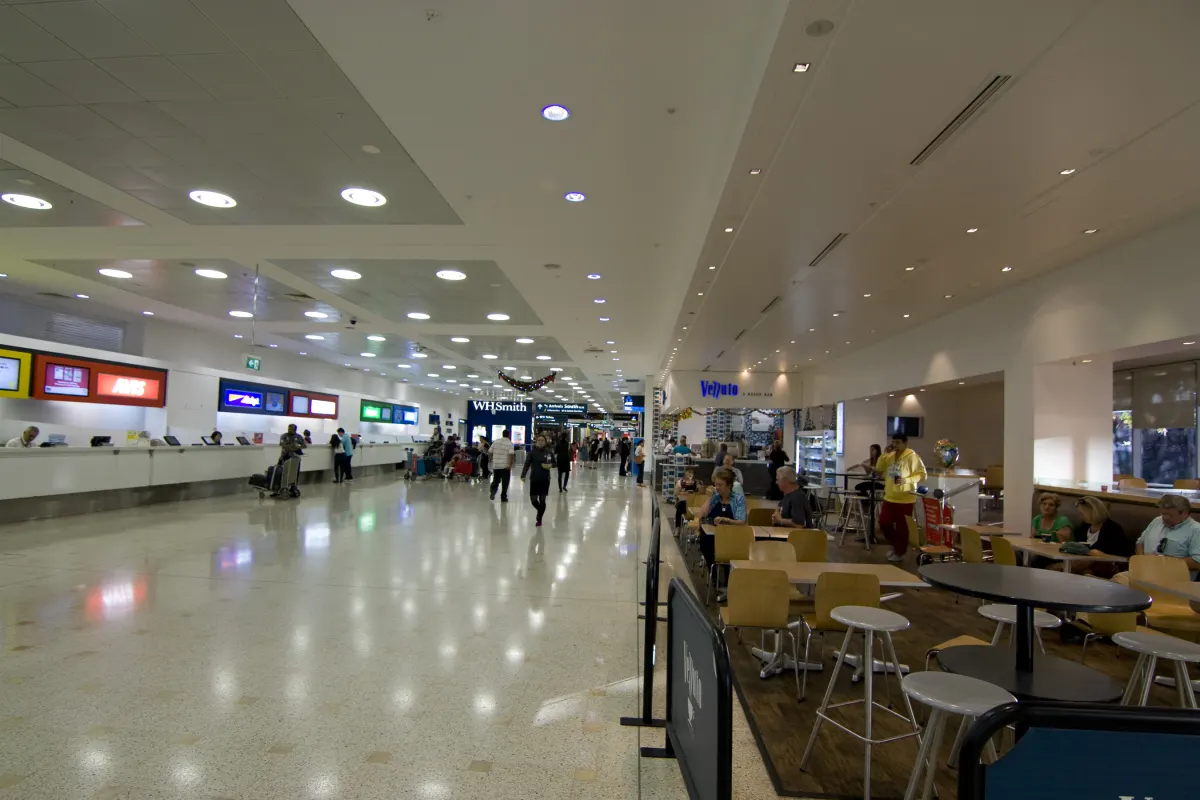
Almost everyone except New Zealanders needs a visa to visit Australia, but for most travellers it's a quick electronic one you apply for on your phone. The other thing to sort out is what's in your bags: Australia has unique wildlife and big farming industries to protect, and its biosecurity checks are some of the strictest in the world, with heavy fines for getting it wrong.
Before you fly: an ETA, an eVisitor or a visa
- The ETA (Electronic Travel Authority): if you have a passport from one of the eligible countries and territories (including the USA, Canada, the UK, Japan, Singapore and South Korea), apply for an ETA in the official Australian ETA app. It costs a A$20 service charge, you're usually told the result straight away, and it lets you visit as often as you like for 12 months, staying up to three months each time.
- The eVisitor: if you have a passport from a European Union country or several other European countries, you can apply for an eVisitor instead, online through ImmiAccount. It's free, and also lets you visit for up to three months at a time over 12 months.
- Everyone else, and anyone who wants to stay longer than three months, needs a visitor visa (subclass 600), which costs more and takes longer: apply well ahead.
- New Zealand citizens don't need to apply for anything: they're given a visa when they arrive.
- Apply before you book: the Department of Home Affairs suggests you don't make travel arrangements until your ETA or visa is granted. It's linked to your passport, so if you get a new passport you need a new one.
- Use the official app or website. Other websites offering to apply for you charge far more for the same thing. The Department of Home Affairs lists which passports can get an ETA, and links to the eVisitor and the other visas.
On the plane: the Incoming Passenger Card
Before you land you fill in an Incoming Passenger Card, which the cabin crew hand out. It's both your customs and your biosecurity declaration, so answer every question honestly. Australia is trialling a digital version, the Australia Travel Declaration, in the Qantas app on some flights; if you're invited to use it, you won't need the paper card.
Biosecurity: declare it or bin it
Bags are X-rayed, searched and sniffed by detector dogs, and the rules are strictly enforced. You must either declare or throw away:
- All food: fresh fruit and vegetables, meat, eggs, dairy, nuts, seeds, spices, herbs, tea and anything homemade. Much packaged food is allowed in once it's been checked, but it must be declared. That includes the apple or sandwich from the plane.
- Plant material: plants, seeds, flowers, and wooden souvenirs and other things made from plants.
- Animal products: feathers, bones, shells, skins and some traditional medicines.
- Things used outdoors: footwear, clothing and gear used in the country or near animals, such as hiking boots, tents, camping gear, bikes and golf clubs. Clean them before you pack them: if they're free of soil, seeds and grass, you'll get through more quickly.
There are bins at the airport for anything you'd rather not declare. Declaring something costs you nothing: an officer checks it, and anything that isn't a risk is handed back. But if you give false or misleading information, on your card or to an officer, you can be given an infringement notice of up to A$7,280, taken to court, or have your visa cancelled, which means being refused entry and possibly banned from coming back for up to three years. "I forgot" doesn't help. The Department of Agriculture has the details.
Some states have their own rules too: you can't take fresh fruit and vegetables into some areas, even from elsewhere in Australia. Tasmania and Western Australia, for example, check and have bins where you arrive, and there are quarantine checkpoints on some roads.
Customs
- Duty-free: adults can bring in A$900 worth of general goods (gifts, electronics, jewellery and so on), and 2.25 litres of alcohol. The tobacco allowance is small and the duty on cigarettes is very high, so check the Australian Border Force website before you buy.
- Cash: declare it if you're carrying A$10,000 or more (or the same in another currency).
- Medicines: bring prescription medicines in their original packaging, with a copy of the prescription or a letter from your doctor. Some medicines that are sold over the counter elsewhere are controlled in Australia.
At the airport
- If you have an ePassport from one of the eligible countries, you can use the SmartGates, which check your passport and your face, at passport control.
- After you collect your bags, you go through the biosecurity and customs check with your card: you may be waved through, or your bags may be X-rayed or searched.
- Sydney, Melbourne, Brisbane and Perth are the main international airports; Adelaide, Cairns, Darwin, the Gold Coast and a few others have some international flights.
Leaving: the Tourist Refund Scheme
Prices in Australia include 10% GST. When you leave, you can claim it back on goods you're taking with you if you spent at least A$300 (including GST) with one business, bought within 60 days before you leave. You need the original paper tax invoice, and you show it with the goods, your passport and your boarding pass at the TRS counter after passport control, at least 30 minutes before your flight. The refund is paid to a card or bank account, not in cash. You can enter the details in advance in the TRS app to save time. Wine counts, but other alcohol and tobacco don't. See the Australian Border Force for the full rules.
Next: money, costs and phones, the weather and what to pack, and driving in Australia.
Comments
No comments yet.