
10 days round Tasmania by car or campervan
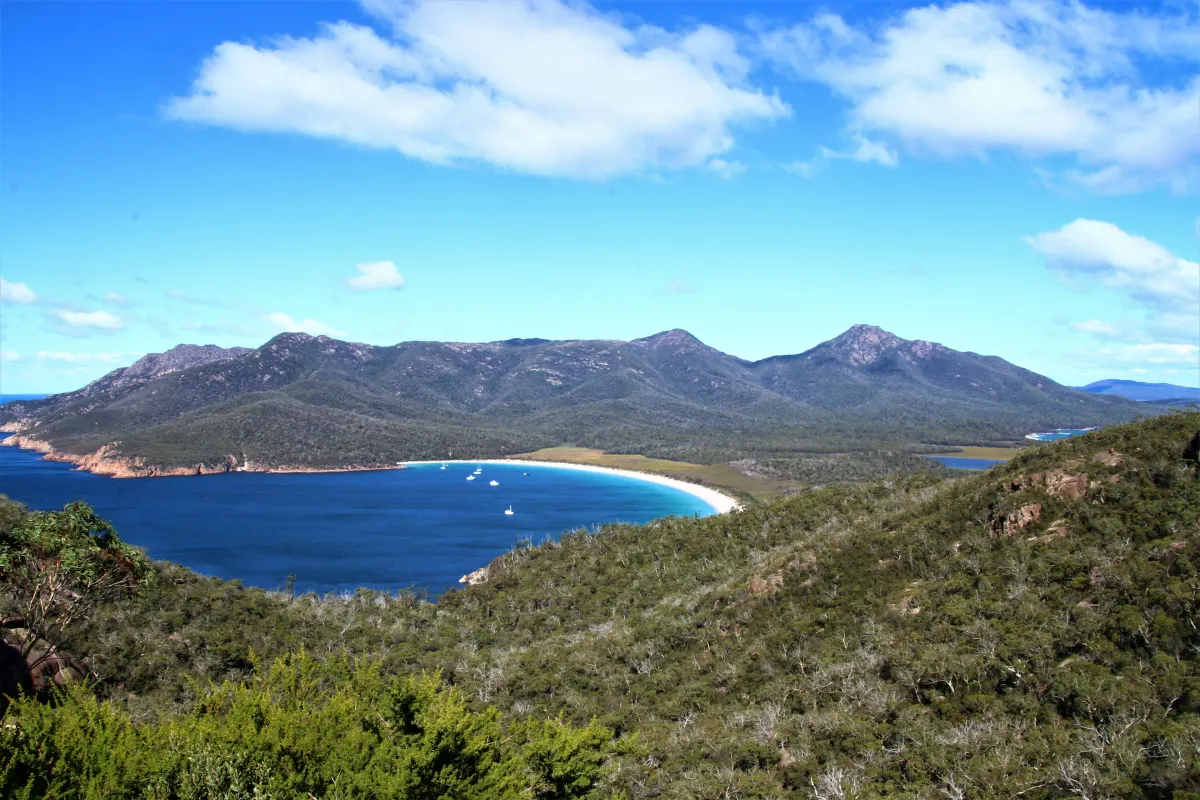
Tasmania packs a lot into a small island: wild mountains, white beaches, convict history, wildlife you won't see anywhere else, and some of Australia's best food. Ten days is enough for a loop of about 1,300 km from Hobart: the Tasman Peninsula, the east coast's Freycinet and Bay of Fires, Launceston, Cradle Mountain, the wild west coast at Strahan, and back through the highlands.
Map of the route
Round Tasmania from Hobart, about 1,239 km
Day 10: Bruny Island, about 72 km
Click a dot for the place. Day numbers mark where each day ends. Route from OpenStreetMap (© OpenStreetMap contributors, ODbL).
Before you go
- Getting there: fly to Hobart or Launceston from the mainland, and hire a car or campervan there. Or take your vehicle on the Spirit of Tasmania car ferry from Geelong, near Melbourne, to Devonport, on the north coast, and join the loop at Cradle Mountain or Launceston. Check that your rental company allows it.
- Parks pass: you need one for all of Tasmania's national parks. The Holiday Pass covers a vehicle for up to two months and is the best value for this trip: buy it online from Parks and Wildlife Tasmania.
- When: December to March is warmest and busiest. The weather changes quickly at any time of year, and it can snow on the mountains even in summer, so bring warm, waterproof layers.
- Driving: the roads are narrow and winding, and slower than they look, and there's a lot of wildlife on them: wallabies, pademelons, wombats and Tasmanian devils come out at dusk. Avoid driving after dark. See Driving in Australia.
- Biosecurity: you can't bring fresh fruit and vegetables into Tasmania, even from the mainland. Eat them or bin them before you land or drive off the ferry.
Day 1: Hobart
Spend a day in Hobart: the Saturday market at Salamanca Place, the old pubs of Battery Point such as the Shipwright's Arms, and the view from the top of kunanyi / Mount Wellington. Take the ferry up the Derwent River to MONA, the Museum of Old and New Art, one of the most talked-about galleries in the world. North of the city, Bonorong Wildlife Sanctuary is a good place to see Tasmanian devils.

MONA (Museum of Old and New Art), Hobart
Australia's most talked-about museum, created by gambler and collector David Walsh and carved into a sandstone cliff beside the Derwent River.
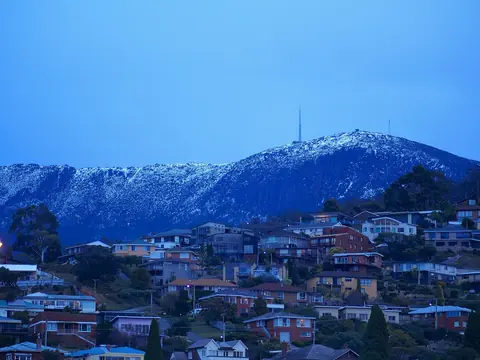
kunanyi / Mount Wellington, Hobart
The mountain that rises 1,271 m above Hobart, with a sealed road to the summit, giving one of the best city views in Australia, over Hobart, the Derw…
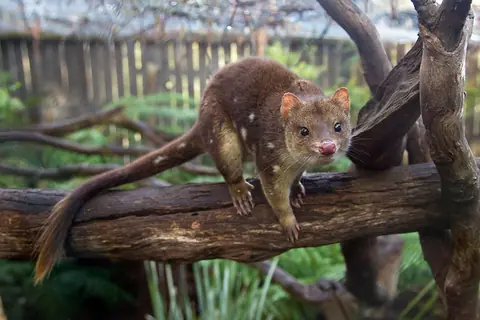
Bonorong Wildlife Sanctuary, near Hobart
A wildlife sanctuary and rescue centre about 30 minutes north of Hobart, which cares for injured and orphaned native animals, and is one of the best …
Day 2: Port Arthur and the Tasman Peninsula (about 1½ hours)
Drive to Port Arthur Historic Site, the best-preserved of Australia's convict settlements, a World Heritage site. Allow most of a day, including the harbour cruise. On the way, stop at the Tessellated Pavement and the sea cliffs of Tasman Arch and the Devils Kitchen in Tasman National Park, where walkers do the Three Capes Track.

Port Arthur Historic Site
The best-preserved convict settlement in Australia and a UNESCO World Heritage Site.
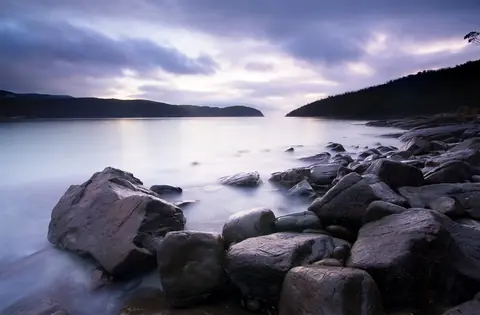
Tasman National Park and the Three Capes Track
A park on the Tasman Peninsula, south-east of Hobart, with some of the highest sea cliffs in the southern hemisphere, dolerite columns rising up to 3…
Day 3: To Freycinet (about 3 hours)
Drive north up the east coast. From Triabunna, a ferry crosses to Maria Island, an island national park with wombats, convict ruins and the Painted Cliffs: worth a day of its own if you have one. At Freycinet National Park, climb to the Wineglass Bay lookout (about 1½ hours return), or carry on down to the beach (about 3 hours return).

Wineglass Bay, Freycinet National Park
A perfect curve of white sand and turquoise water on Tasmania's east coast, framed by the pink granite peaks of the Hazards.
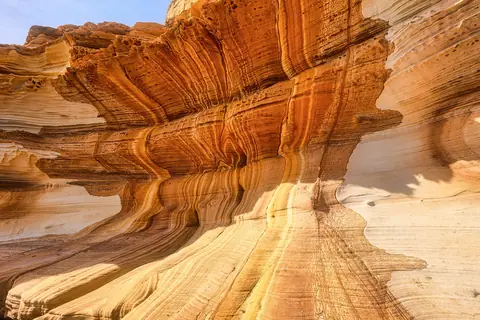
Maria Island National Park
An island national park off Tasmania's east coast, with no cars, where you can walk among wombats, kangaroos and Cape Barren geese, and explore convi…
Day 4: Bicheno and the Bay of Fires (about 1½ hours)
Stop at Bicheno, with its blowhole, and if you stay the night, take a tour to see the little penguins come ashore. Further north, the Bay of Fires has white beaches and granite boulders covered with orange lichen, and free campsites by the sea. Stay in St Helens or at the beach. Further north, Mount William National Park is full of Forester kangaroos.
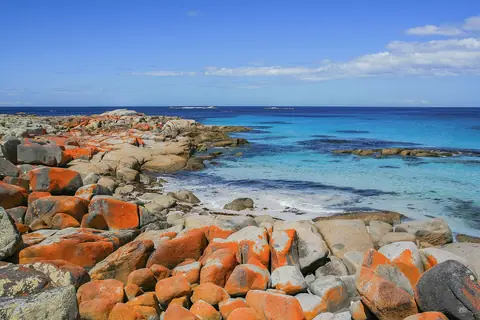
Bay of Fires, Tasmania
A stretch of coast in north-east Tasmania with white beaches, turquoise water and granite boulders covered in bright orange lichen.
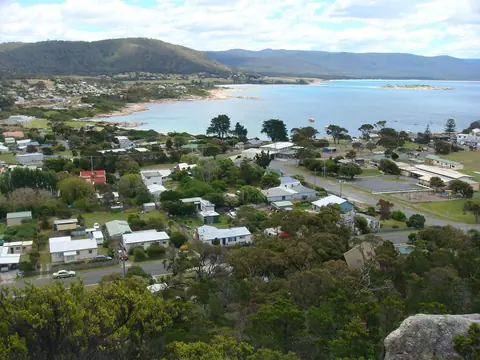
Little penguins at Bicheno
A fishing town on Tasmania's east coast, where little penguins nest in the rocky shoreline and come ashore at dusk.
Day 5: To Launceston (about 2½ hours)
Drive inland through the forests to Launceston. Walk into Cataract Gorge, a few minutes from the city centre, and cross it on the chairlift. North of the city, the Tamar Valley is a wine region, and at Beauty Point you can see platypus and seahorses.
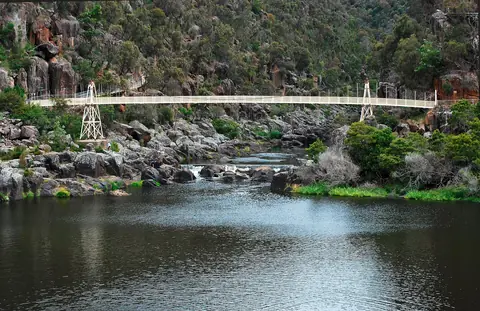
Cataract Gorge, Launceston
A dramatic river gorge just a short walk from the centre of Launceston, where the South Esk River runs between steep cliffs into the Tamar River.
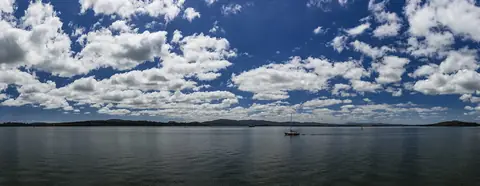
Platypus House and Seahorse World, Beauty Point
Two attractions on the wharf at Beauty Point, in the Tamar Valley, that let you see two of Australia's most unusual animals up close: the platypus an…
Days 6 and 7: Cradle Mountain (about 2 hours)
On the way, see the limestone Mole Creek Caves and the animals at Trowunna Wildlife Sanctuary. Spend two nights at Cradle Mountain: walk around Dove Lake under the mountain (about 2 hours), look for wombats on the buttongrass plains at dusk, and see Tasmanian devils being fed at Devils@Cradle. Shuttle buses take you from the visitor centre to Dove Lake. The Overland Track, Australia's best-known multi-day walk, starts here.

Cradle Mountain and Dove Lake
The jagged peaks of Cradle Mountain rising above Dove Lake are Tasmania's most famous view, in the Cradle Mountain–Lake St Clair National Park, part …
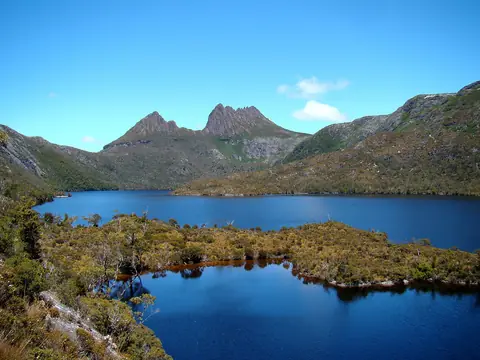
Devils@Cradle, Cradle Mountain
A sanctuary for Tasmanian devils and quolls at the entrance to Cradle Mountain National Park, which breeds them for the programme to save the devil f…
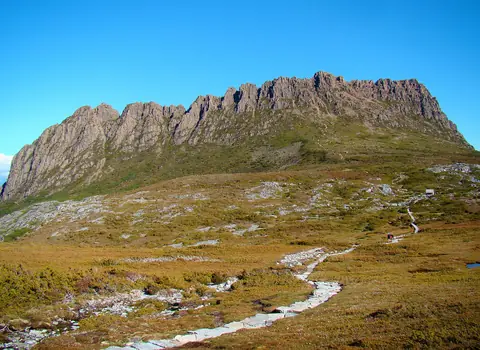
Overland Track, Tasmania
Australia's most famous multi-day walk, about 65 km through the alpine heart of the Cradle Mountain-Lake St Clair National Park, from Cradle Mountain…
Day 8: To Strahan (about 2 hours)
Drive through the old mining towns of the west coast to Strahan, on Macquarie Harbour. Take a Gordon River cruise into the Franklin-Gordon Wild Rivers National Park, past the convict ruins of Sarah Island, or a trip on the West Coast Wilderness Railway. Or, with more time, drive north into the rainforests of the Tarkine (takayna).
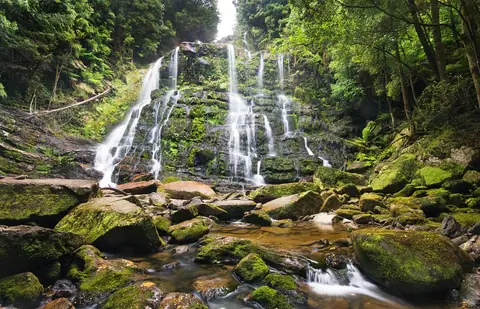
Franklin-Gordon Wild Rivers National Park and Gordon River cruise
A wilderness park of rainforest, gorges and wild rivers in western Tasmania, part of the Tasmanian Wilderness World Heritage Area.
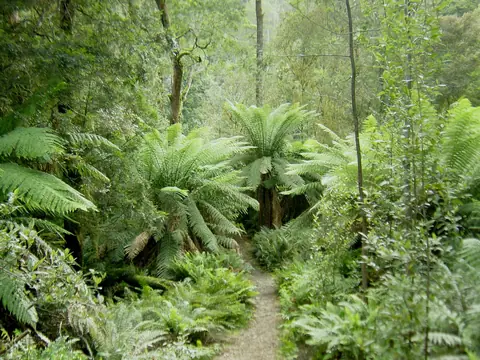
takayna / the Tarkine
A large wilderness area in north-western Tasmania, holding the largest tract of cool temperate rainforest in Australia, with myrtle beech, leatherwoo…
Day 9: Back to Hobart through the highlands (about 4½ hours)
Cross the mountains on the Lyell Highway, stopping at the Nelson Falls and Franklin River walks, and at Lake St Clair, Australia's deepest lake, where the Overland Track ends. Then visit Mount Field National Park and walk to Russell Falls, before arriving back in Hobart. New Norfolk's Bush Inn is one of Australia's oldest pubs.
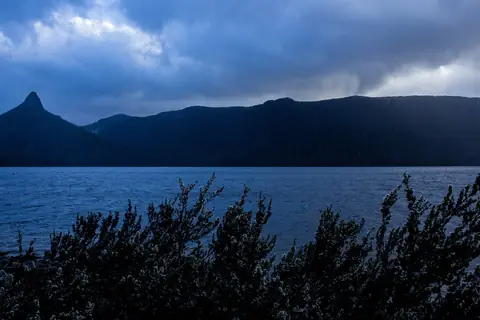
Lake St Clair
Australia's deepest lake, about 200 m deep, at the southern end of the Cradle Mountain-Lake St Clair National Park, carved by glaciers and surrounded…
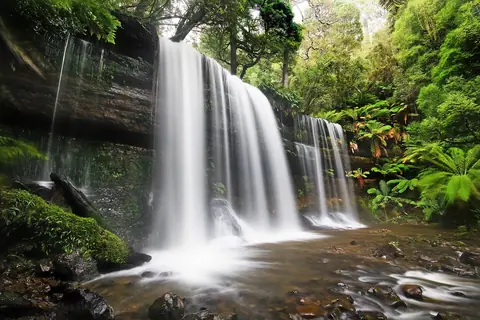
Mount Field National Park and Russell Falls
One of Tasmania's first national parks, declared in 1916, about 1.5 hours from Hobart, with waterfalls, giant trees, alpine lakes and some of the eas…
Day 10: Bruny Island
Take the car ferry from Kettering to Bruny Island for a day of food (oysters, cheese and berries), the lookout over the Neck, where little penguins nest, and the cliffs of South Bruny National Park. Or drive south to the Hastings Caves and Thermal Springs.
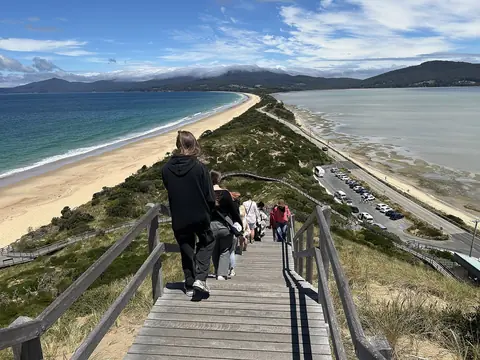
Bruny Island
An island south of Hobart, made up of North and South Bruny, joined by a narrow sandy isthmus called the Neck, known for its wildlife, wild coast and…
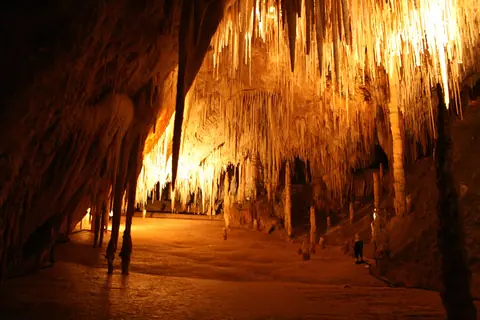
Hastings Caves and Thermal Springs
A limestone cave in the forest of southern Tasmania, with a warm thermal pool nearby, about 1.5 hours south of Hobart.

Comments
No comments yet.