
Safety in Brazil: phone snatching, beaches, express kidnapping, dating apps, favelas and methanol
Millions of people visit Brazil every year without trouble, but street crime is common in the big cities, and it can be armed. Most of the risk can be cut with a few habits. Read your government's travel advice before you go, because it names the areas to avoid: the UK, for example, advises against all but essential travel to some rivers in the far west of Amazonas state (see The Amazon and the Pantanal).
Phones and robbery
- Phones are what thieves want. They're snatched by people on foot, bicycles and motorbikes, in particular between about 4pm and 9pm. Don't use yours in the street: step into a shop or café to check a map or call a car.
- Carry a cheap spare phone, or an old one, if you can, and keep your main one at the hotel or well hidden. Turn on remote wipe, and protect your banking apps and SIM with a PIN.
- If you're robbed, hand it over. Don't resist or chase: attackers may be armed and on drugs. Keep a little cash ready so that you have something to give.
- Don't wear jewellery or an expensive watch. Take a photo of your passport and carry a copy with another photo ID.
- In traffic, keep windows up and doors locked, and leave a gap to the car in front at lights. Don't walk around after dark, even for short distances: take a car.
On the beach
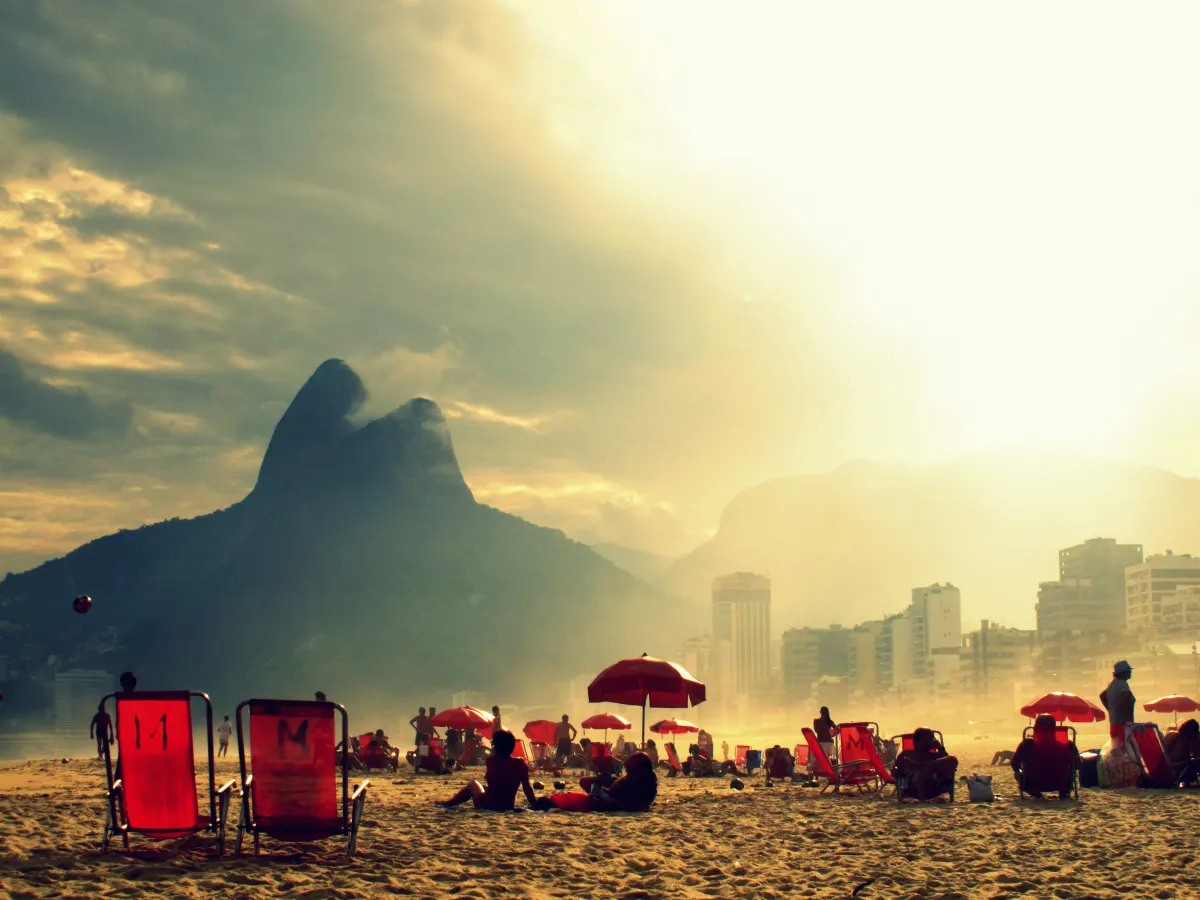
- An arrastão is a mass robbery: a large group runs along the beach taking everything, by day or night. They also happen in traffic and restaurants. Take only a towel, a little cash and a cheap phone. Beach sellers rent chairs and umbrellas.
- Don't go on city beaches at night, and don't leave things unattended to swim: ask a neighbour who looks settled.
- Heed the flags and lifeguards: currents can be strong, and some city beaches are polluted. At and near Recife, warning signs about sharks are serious: people have been killed in waist-deep water.
Express kidnapping, taxis and dating apps
- In an express kidnapping victims are held for a few hours and made to withdraw cash, or transfer money through banking apps. It's most reported in and around Rio, sometimes in a fake or unlicensed taxi or a car using a stolen ride-hailing account. Use the official app, check the plate, and don't get into a car someone offers you. Keep banking limits low and leave most of your cards at the hotel.
- Dating apps are used to lure foreigners: drinks are spiked, and victims are robbed or kidnapped, and their accounts emptied. Meet first in a busy public place, buy your own drinks, tell a friend where you are, and don't go to a stranger's home or bring them to yours. The same care applies with people you meet in clubs.
Drinks and methanol
- Drink and food spiking has been rising, particularly in Rio. Buy your own, watch them being opened or mixed, and don't leave them. Sealed cans and bottles are safer than a plastic cup.
- In 2025 a wave of methanol poisoning from adulterated spirits killed people in several states, most of them in São Paulo: there were 47 confirmed cases and nine deaths by 20 October 2025, and more afterwards. Methanol can't be seen, smelt or tasted.
- Take care with gin, vodka, whisky and cocktails, including in bars. Canada's advice passes on the health ministry's warning not to drink them until further notice. Buy sealed bottles from reliable shops, or drink beer or wine.
- Unusual headache, sickness, stomach pain, dizziness or blurred vision in the 12 to 24 hours after drinking: go to a hospital at once, and say what you drank. It can be treated if caught early.
Favelas
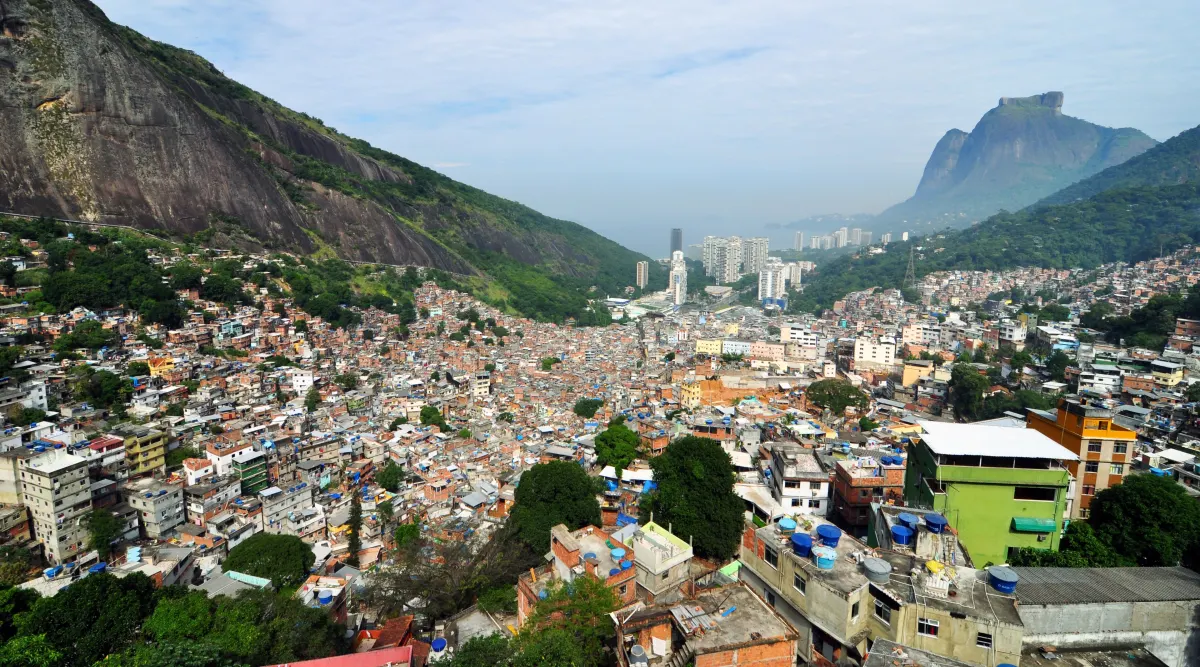
Favelas are dense, informal neighbourhoods in every big city, often close to the sights. Many people live there peacefully, but armed groups and police raids make them unpredictable, and shootings can start without warning. The UK and Canadian governments say avoid them all, including favela tours and places to stay that are advertised inside them, and Canada says to avoid all travel to Rio's Complexo da Maré and Complexo da Penha. Check the route your navigation app takes: tourists have been shot after following directions into one.
Other things to know
- At crowded events, such as Carnival and big matches, expect pickpockets, and don't wear team colours near rival fans.
- Stay away from protests. They can turn violent.
- The trail up to Christ the Redeemer has a history of armed robberies. See Rio.
- Same-sex relationships are legal and Pride is huge, but attitudes are more conservative outside the big cities, and attacks happen.
- Vapes are illegal. Drug penalties are severe, and tourists are sometimes asked to carry packages. Never do.
- Floods and landslides follow heavy rain, and wildfires the dry season. See When to go.
If something goes wrong
- Police 190 (911 also works), ambulance 192, fire 193.
- Rio, São Paulo, Salvador and Recife have tourist police (look for DEAT or Delegacia do Turista). You'll need their report (boletim de ocorrência) for insurance.
- If your passport is stolen, contact your embassy or consulate. UK advice is that you can still take domestic flights to reach it with a police report or other valid photo ID.




Comments
No comments yet.