
Money in Brazil: reais, Pix, cards, ATMs, skimming and tipping
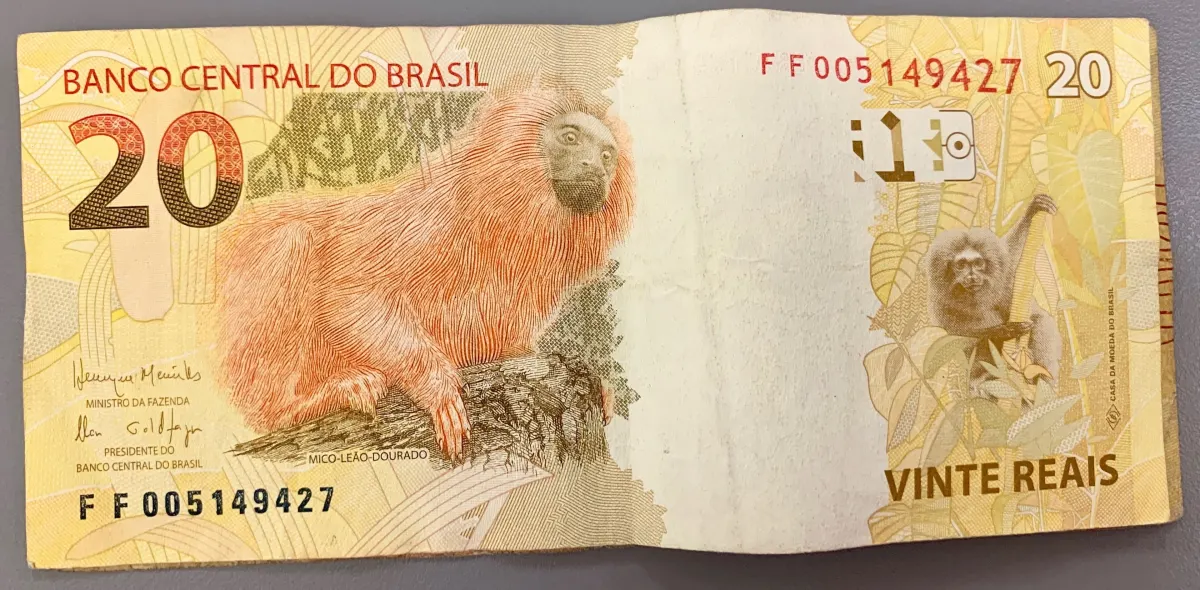
Brazil's currency is the real (plural reais, written R$). You can pay by card or phone almost everywhere, even at many beach stalls, and Brazilians pay for nearly everything else with Pix. Carry some cash for small places, markets and the countryside.
Cash
- Notes are R$2, 5, 10, 20, 50, 100 and 200. Small shops may not be able to change a R$100 or R$200 note.
- In Brazil a comma marks the decimals and a dot the thousands: R$1.250,00 is one thousand two hundred and fifty reais.
- If an ATM gives you notes with pink marks, tell the bank (or the police) straight away and have them changed: they may have been marked as damaged.
- Change euros, pounds or US dollars at a bank or a casa de câmbio; other currencies can be hard to exchange. Don't change money in the street.
Pix
- Pix is the central bank's free instant payment system. You scan a QR code or send to someone's key (a phone number, email or tax number), and it arrives in seconds. Many small businesses prefer it, and some give a discount.
- To use it directly you normally need a Brazilian bank account and a CPF (tax number), so most visitors can't.
- A few international payment apps let foreigners scan Pix codes after verifying a passport. They're new: read the fees, limits and reviews, and don't rely on one as your only way to pay.
- If a guide or pousada asks for a Pix deposit, ask whether they can take a card or an international transfer, or have a Brazilian friend pay. Check the name that appears before you confirm: sending to a fake key is a common scam.
- Robbers sometimes force people to make Pix transfers, so keep the limit on any banking app low. See Safety.
Cards
- Visa and Mastercard are accepted widely. American Express less so. You'll be asked crédito (credit) or débito (debit): most foreign debit cards go through as either, so try the other if one fails.
- Ask to pay in reais, not your own currency: the machine's conversion is usually poor value.
- Keep your card in sight, and read the amount on the screen before you tap or put in your PIN. The UK government warns of fake or altered amounts, above all from beach sellers, and Canada's of card readers "that don't work", so you pay more than once.
- If you don't need contactless, consider turning it off while you travel, and set your bank app to notify you of every payment.
- Bring two cards on different networks, kept in different places. Tell your bank you're travelling.
ATMs
- Use ATMs inside banks, shopping centres or airports, in the day, not in the street. Banks' own machines and the shared Banco24Horas network are the ones most likely to take foreign cards, though some refuse.
- Limits are often low, sometimes about R$1,000 a withdrawal or less, and lower still at night (about 10pm to 6am), when some machines refuse foreign cards altogether. Travellers report fees of around R$20 at some machines, on top of your own bank's.
- Look for anything loose, cover the PIN pad, and don't accept help from strangers. Card cloning is common. Cancel your card at once if a machine keeps it.
- Take enough cash before you go to small islands, parks and villages.
Tipping and service charges
- Restaurants usually add 10% service (taxa de serviço or 10%) to the bill. It's optional, but people normally pay it, unless the service was poor. No extra tip is needed. If it isn't on the bill, leave about 10%.
- Round up for taxis. In hotels, a few reais for porters is kind. Guides and drivers on tours are often tipped at the end of a trip if you were happy: ask your company what is usual.
- A small charge (couvert) may appear for the bread and olives on the table. It's your right to refuse, so ask.
See also Phones and apps for the CPF, Food and drink and Safety.



Comments
No comments yet.