
Food and drink in Brazil: per-kilo restaurants, feijoada, churrasco, acarajé and caipirinhas
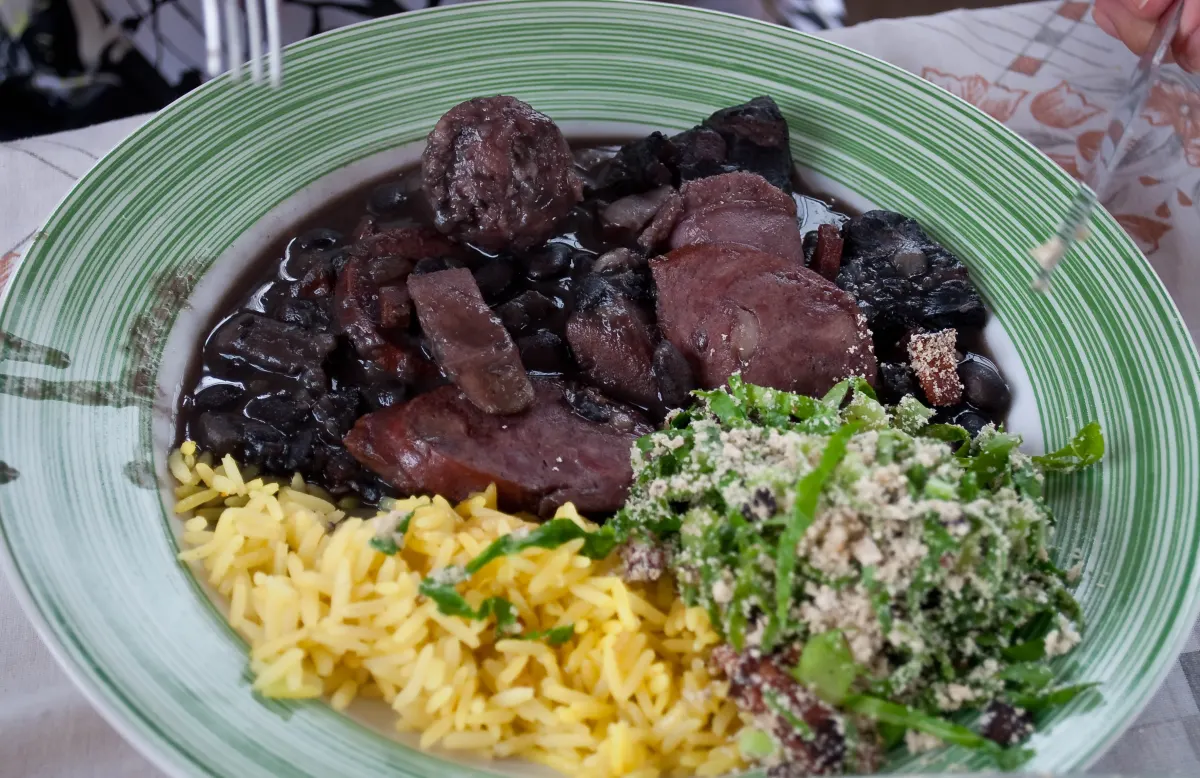
Brazilian food is generous and varied: rice and beans everywhere, barbecue in the south, Afro-Brazilian cooking in Bahia, river fish and açaí in the Amazon, and immigrant cooking such as Italian and Japanese in São Paulo. Lunch is the big meal.
Ways to eat
- Comida a quilo (per-kilo) restaurants: fill your plate from a buffet, weigh it and pay by weight. They're cheap, good and fast, and open mostly at lunchtime. Drinks are charged separately.
- Prato feito (PF): a set plate of meat, rice, beans, salad and chips. The cheapest lunch in town.
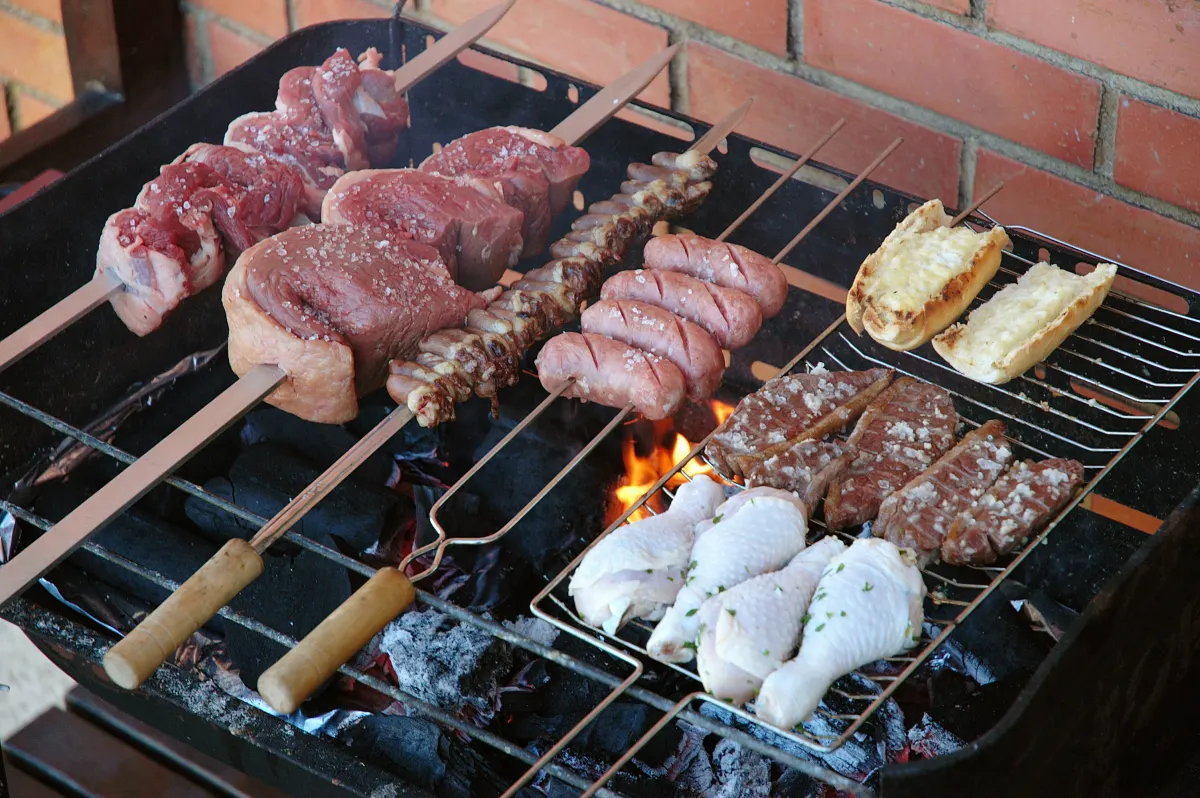
- Rodízio: all you can eat, usually barbecue or pizza. At a barbecue, waiters bring skewers to your table: turn your card from green to red when you want a rest.
- Padaria (bakery): breakfast and snacks, and a good local meeting place.
Dishes to try
- Feijoada: black bean and pork stew with rice, greens, orange and toasted manioc flour (farofa), traditionally at lunch on Wednesdays and Saturdays.
- Churrasco: barbecue, best in the south. Ask for picanha (rump cap).
- Moqueca: fish or prawns in coconut milk and peppers (Bahia adds palm oil, Espírito Santo doesn't).
- Acarajé: a fritter of black-eyed beans fried in palm oil and filled with prawns and sauce, from street stalls in Salvador. It can be hot: ask for it without pepper.
- Pão de queijo: small, chewy cheese balls, best warm, and made with manioc starch, so without wheat.
- Coxinha (chicken croquette), pastel (fried pastry) and tapioca (a pancake filled with cheese or coconut).
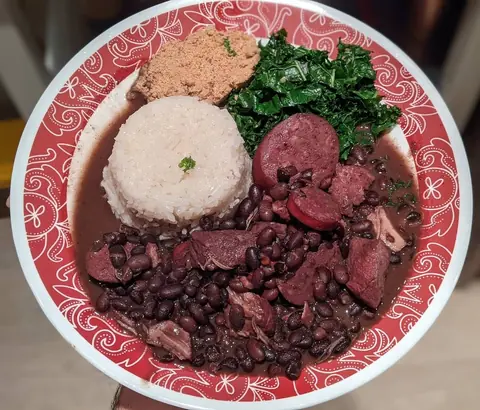
Feijoada
Black bean stew with pork cuts, served with rice, farofa, kale and orange slices.
Churrasco
All-you-can-eat grilled meat carved at the table.
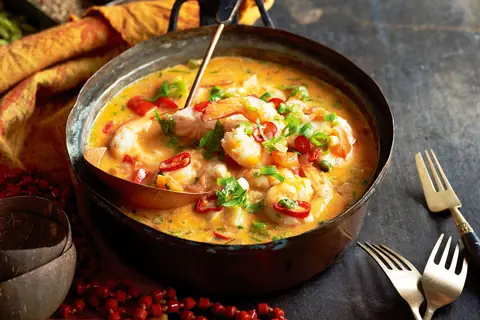
Moqueca
Fish or prawn stew with coconut milk and palm oil (Bahia) or annatto (Espírito Santo), served in a clay pot.
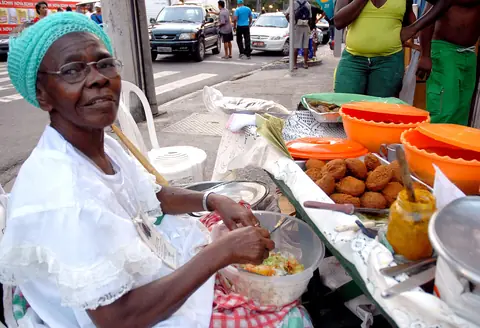
Acarajé
Black-eyed pea fritters fried in palm oil and filled with shrimp and vatapá, sold by Baianas in white dress.
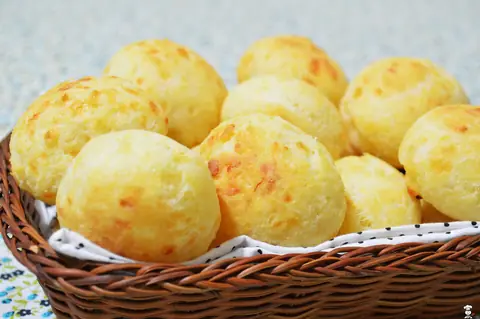
Pão de queijo
Chewy cheese bread rolls made with cassava flour, from Minas Gerais.
Sweets, fruit and coffee
- Brigadeiro: a chocolate and condensed-milk sweet, sold in bakeries and at every party.
- Açaí: in the cities, frozen, sweet and topped with granola and banana; in Pará, eaten unsweetened with fish.
- Try fruit you don't know: caju (cashew apple), cupuaçu, graviola and goiaba, as juice (suco). Ask for it sem açúcar (without sugar).
- Coffee comes small, strong and often sweetened (cafezinho). Ask sem açúcar.
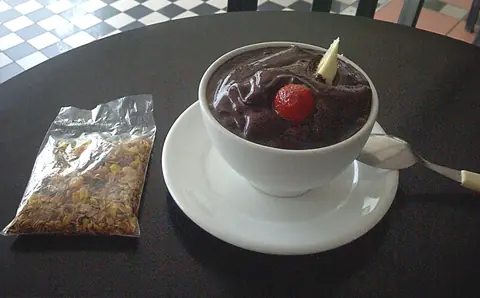
Açaí
A purple Amazon palm berry. In Belém it is eaten unsweetened with fish; elsewhere frozen in bowls with banana and granola.

Brigadeiro
Chocolate fudge balls rolled in sprinkles, a party favourite.
Drinks
- Caipirinha: cachaça (sugarcane spirit), lime and sugar, stronger than it tastes. Cachaça alone is the thing to sip.
- Beer (cerveja) comes very cold; chope is draught.
- Guaraná: a sweet soft drink made from an Amazon fruit. Mate tea and coconut water are sold on the beach.
- Be careful with spirits. In 2025, people died from methanol in adulterated spirits: see Safety, and avoid spirits that might be fake. Beer, wine and factory-sealed cans are the safer choice.
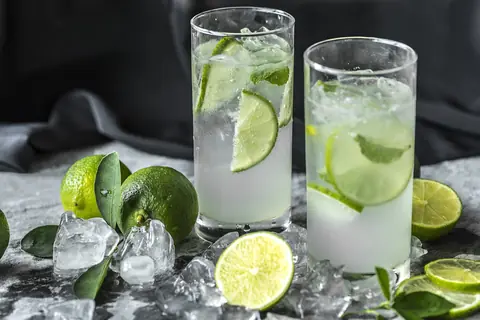
Caipirinha
Brazil's national cocktail of cachaça, lime and sugar.
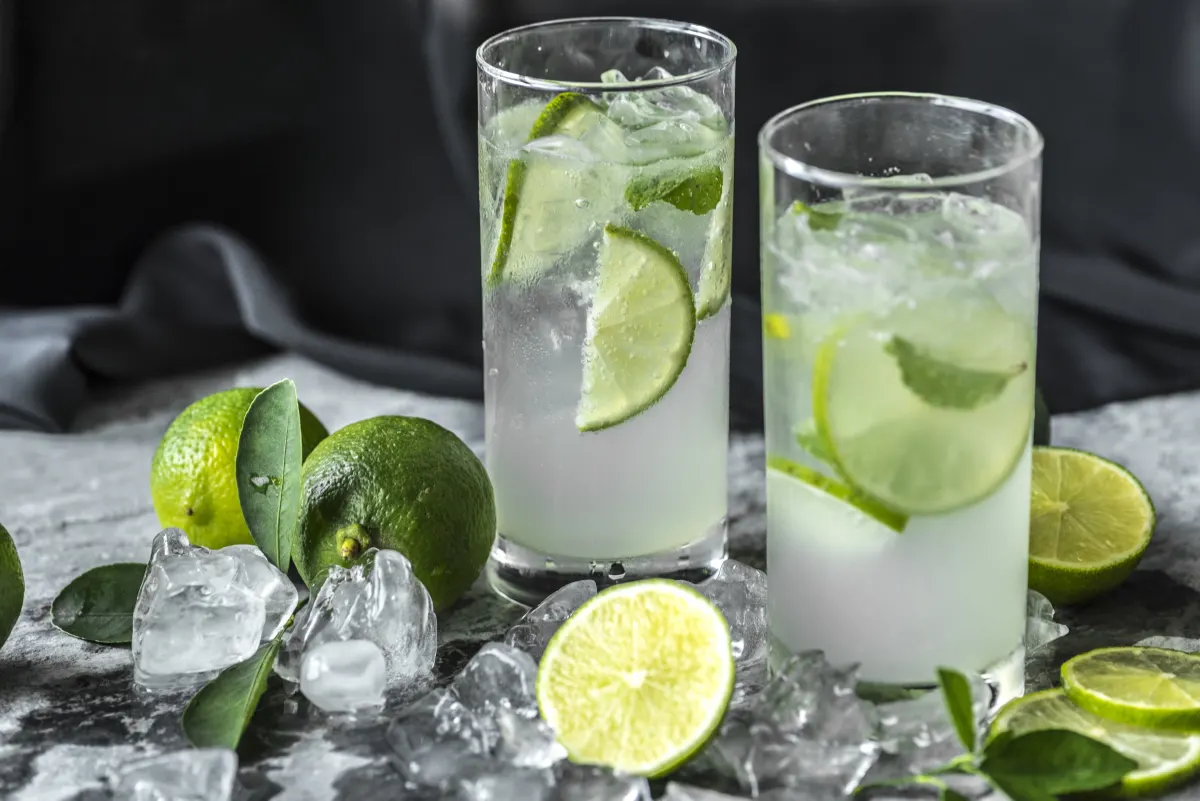
Vegetarian food
Per-kilo restaurants and bakeries are the easiest, and São Paulo and Rio have plenty of vegetarian places. Beans often contain pork: ask tem carne? (does it have meat?).
Paying
Ask for a conta, por favor. A 10% service charge is usually added, and is optional (see Money). Water: ask for com gás (sparkling) or sem gás (still).




Comments
No comments yet.