
Arriving in Brazil: the e-visa, visa-free stays, passports, yellow fever and customs
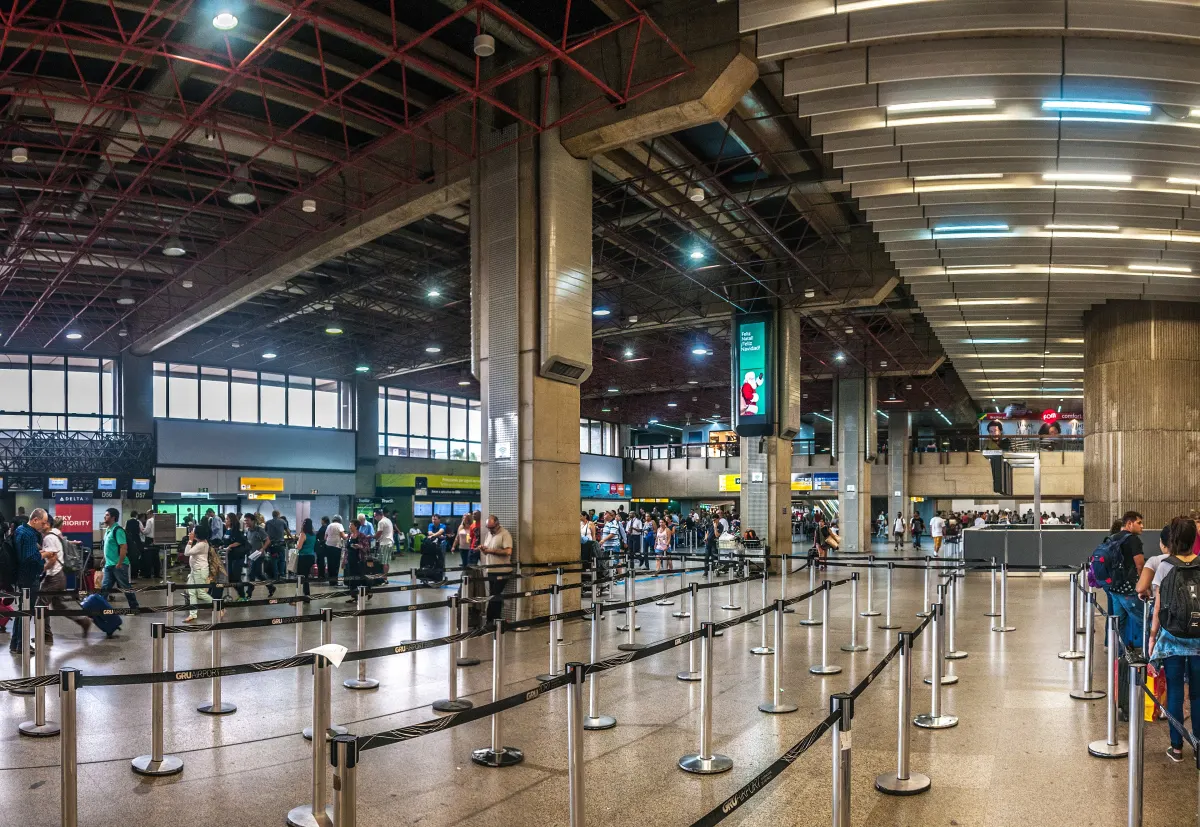
Most visitors can enter Brazil without a visa for a holiday of up to 90 days. The big exception is people travelling on US, Canadian and Australian passports, who have needed an e-visa since 10 April 2025. Brazil's rules often mirror how other countries treat Brazilians, so they can change: check with a Brazilian embassy or consulate before you book.
The e-visa: US, Canadian and Australian passports
- Apply online, before you travel, at brazil.vfsevisa.com, the site the Canadian government links to for Brazil's e-visa. It's run by VFS Global for Brazil. Other sites with similar names charge extra for filling in the same form.
- The fee was US$80.90 for each person at the time of writing. Children need their own e-visa.
- It's normally for several visits: usually up to 10 years for US passports and 5 years for Canadian and Australian ones. Check the dates on yours when it arrives.
- Apply well ahead, and check that the name and passport number on the e-visa match your passport exactly. Print it and keep a copy on your phone: airlines check it before they let you board.
- You need it even for a day trip, such as crossing from Argentina to see the Brazilian side of Iguaçu Falls, and cruise passengers need to check the rules too.
- Brazil's Senate voted in March 2025 to scrap the requirement, but it was still in force at the time of writing.
Visa-free visits
- Citizens of New Zealand, the UK, Ireland and the rest of the EU, Switzerland, Norway, Japan, South Korea, Singapore, South Africa, Israel and many other countries can visit for up to 90 days without a visa. Confirm the rule for your own passport with a Brazilian consulate.
- Most European passports are limited to 90 days in any 180.
- For most other visitors, stays can be extended with the Federal Police (Polícia Federal), up to a total of 180 days in a year. Apply before your time runs out: there's a daily fine for overstaying.
- You can't work on a tourist entry.
Your passport
- Have at least six months left on your passport when you arrive. The UK says this is required; Canada says it must be valid for your whole stay.
- Make sure the officer stamps your passport, or that your entry is recorded, above all at land borders: if it isn't, you can be fined when you leave.
- Officers can ask for a return or onward ticket and proof that you have enough money.
- If you also have Brazilian nationality, enter and leave on your Brazilian passport.
- Children travelling without both parents may need a notarised permission from the absent parent, and their birth certificate. The rules are strict for Brazilian children and are applied to others too, so ask the consulate.
Yellow fever
Brazil doesn't require a yellow fever certificate to enter, but the vaccine is recommended for much of the country, including Rio, São Paulo, Iguaçu Falls, the Amazon and the Pantanal. Have it at least 10 days before you go. Other countries may ask you for a certificate after you've been in Brazil, so check the rules of every country on your route. See Health.
Customs
- Declare cash worth more than US$10,000 online on the customs e-DBV form. The same applies when you leave.
- You can bring in goods worth up to US$1,000 by air or sea, and buy another US$1,000 in the arrivals duty-free shop. Declare anything above that.
- Vapes and e-cigarettes are banned, along with refills and parts, and customs can take them.
- Don't bring in fresh meat, fruit, plants or seeds. Export of wildlife, feathers and bird or butterfly souvenirs is a crime.
- Drug penalties are severe. Never carry anything for someone else: couriers are recruited through emails and dating apps.
- Bring medicines in their original boxes, with a prescription.
Arriving
- The main gateways are São Paulo Guarulhos (GRU) and Rio de Janeiro Galeão (GIG). Some airlines also fly to cities such as Recife, Salvador, Fortaleza, Brasília and Manaus.
- If you connect to a domestic flight, you normally collect your bags and go through customs at the first airport.
- Use an official taxi from the booths in the terminal, or a ride-hailing app from its marked pick-up place. Ignore people who offer you a ride in the arrivals hall. See Getting around and Safety.
See also Money, Phones and apps and When to go.






Comments
No comments yet.