
Health in Brazil: yellow fever, dengue, malaria in the Amazon, water, hospitals and insurance
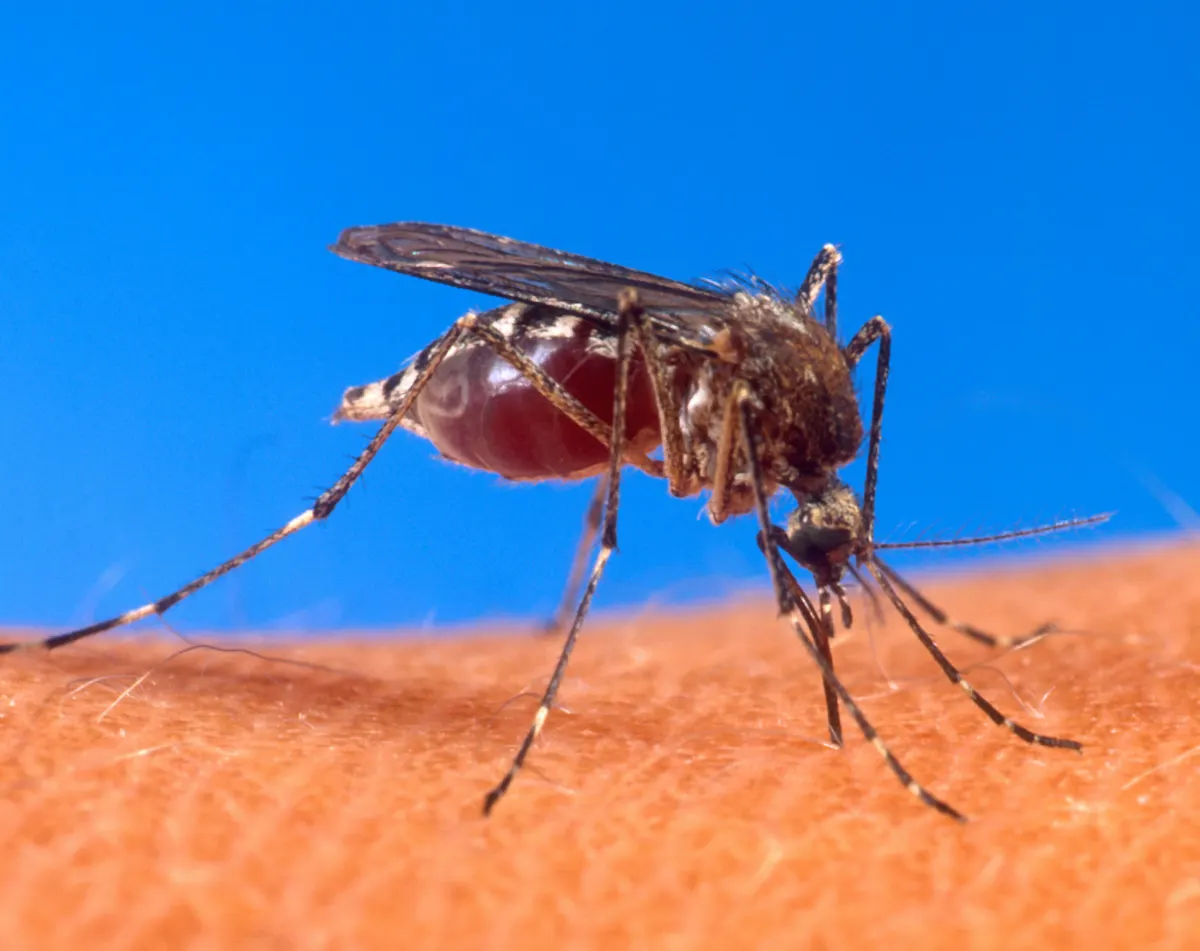
See a travel clinic about six to eight weeks before you go, because yellow fever and some other vaccines need time to work. The main things to avoid are mosquitoes, stomach bugs, the sun and road accidents. If you get seriously ill, good private hospitals in the cities are excellent, and far from the cities there's very little.
Yellow fever
- Brazil doesn't ask for a certificate, but health agencies in the UK and US recommend vaccination for most visitors from the age of 9 months. That includes the states of Rio de Janeiro and São Paulo, with their cities, Minas Gerais, Espírito Santo, Paraná (with Iguaçu Falls), Santa Catarina and Rio Grande do Sul, the whole Amazon and the Pantanal states, the Federal District and Goiás, Maranhão and Piauí, and parts of Bahia.
- It isn't recommended for trips only to places off that list, such as the cities of Fortaleza and Recife.
- One dose lasts for life for most people. Have it at least 10 days before. People over 60, pregnant women and those with weak immune systems need advice first.
- The risk is real: by 23 July 2026 the UK's TravelHealthPro listed 15 confirmed cases and 8 deaths that year, most in São Paulo state.
- Other countries may want to see a certificate when you arrive from Brazil. Check each one.
Dengue, Zika, chikungunya and Oropouche
- Dengue is common, including in cities: about 1.45 million confirmed cases and nearly 1,800 deaths were reported for 2025. Mosquitoes that carry it bite mostly in the day. It's highest in the warmer, wetter months, broadly January to May.
- Zika is still around, and can harm an unborn baby. Oropouche, spread by midges, has caused outbreaks in recent years, and may also be a risk in pregnancy. If you're pregnant or planning a baby, take medical advice before you go.
- Use a strong repellent (DEET or picaridin), wear long sleeves and trousers in the early morning and evening, and sleep under a net or with screens or air conditioning.
Malaria
- Malaria is found in the Amazon region: the states of Acre, Amapá, Amazonas, Rondônia and Roraima, and parts of Maranhão, Mato Grosso and Pará (though it's rare in the capitals). Ask a clinic about tablets: the advice varies. The UK puts the risk around Manaus as low, and the US lists the state for tablets.
- There's no risk in Rio, São Paulo or Brasília cities, or at Iguaçu Falls.
- If you get a fever within a few weeks of an Amazon trip, or even months later, see a doctor and say where you were.
Other vaccines and risks
- Clinics usually suggest hepatitis A, and up-to-date routine vaccines (including measles), and may suggest hepatitis B, typhoid or rabies.
- Rabies: wash any animal bite or scratch, or contact with a bat, with soap and water for 15 minutes, and go to hospital at once.
- Schistosomiasis is in some lakes and rivers, mostly in the northeast and Minas Gerais: ask locally before you swim in fresh water.
- Protect yourself from the sun, and drink a lot of water in the heat.
Water and food
- Tap water is treated in the cities, but most people drink filtered or bottled water, and so should you. Water in hotel filters is usually fine. In the countryside, boil, filter or buy it.
- Street food that's freshly cooked is usually fine. Be careful with raw shellfish, and with açaí and juices where the water isn't known to be safe.
- Pharmacies (farmácias) are everywhere, and can advise on small things, though antibiotics need a prescription.
- Methanol in spirits has killed people. See Safety.
Hospitals and insurance
- Brazil's public health service (SUS) treats emergencies, including foreigners', free. Public hospitals can be crowded, with long waits, short of medicines, and with little English.
- Private hospitals are better equipped, but usually want proof of insurance, or payment first. Ask your insurer or embassy for one near you.
- Buy insurance that covers medical evacuation, which matters in the Amazon, the Pantanal and the islands. Check it covers hiking, boats and diving.
- Ambulance: 192 (it's busy, so a taxi may be faster in a city). Keep your insurer's number on you.
See also The Amazon and the Pantanal and When to go.


Comments
No comments yet.