
The Amazon and the Pantanal: when to go, choosing a lodge, and seeing jaguars at Porto Jofre
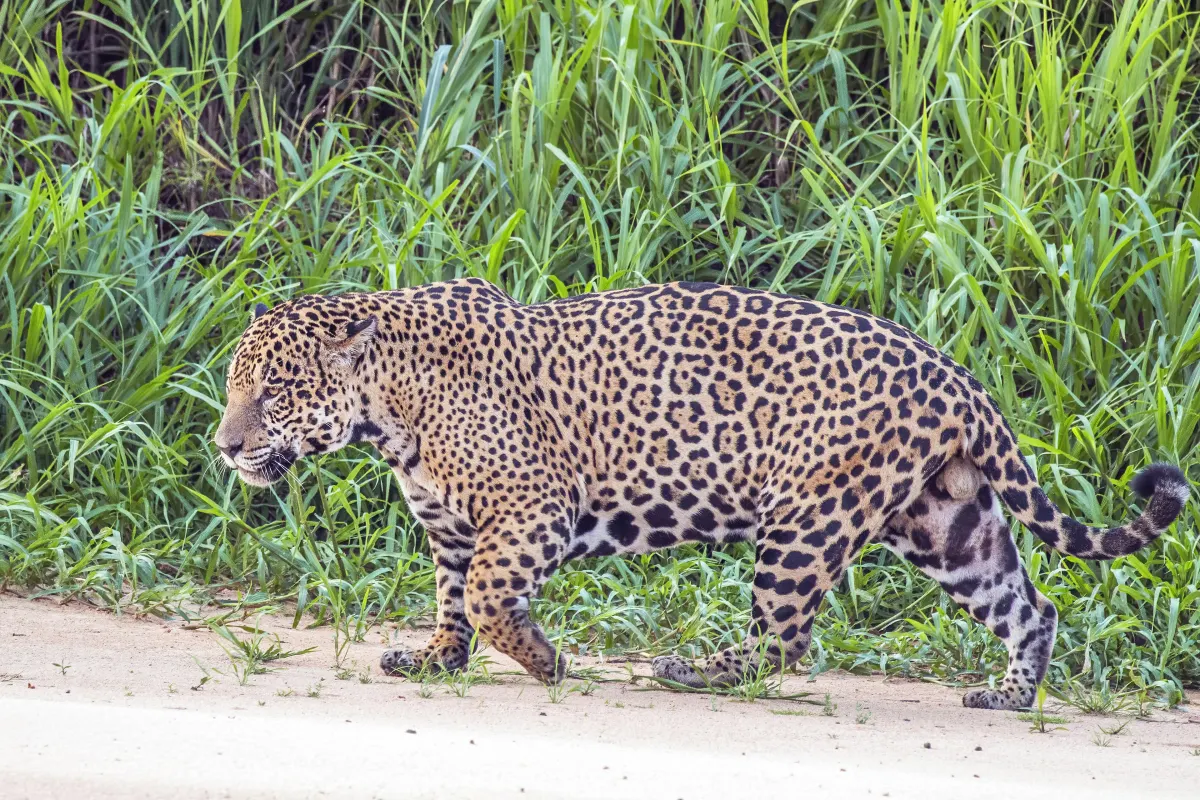
Both are huge, wet and full of life, but they're very different. The Amazon is for rivers, forest and people: you hear more animals than you see, because the trees hide them. The Pantanal is open grassland and wetland, where you see a great deal, and the best place in the world to see wild jaguars. If you want wildlife, choose the Pantanal. If you want the forest, choose the Amazon. With two weeks you can do both.
When to go
- Pantanal: the dry season, about June to October, when animals gather near water and roads are passable. July to October is best for jaguars around Porto Jofre. From about December to April much of it floods: lodges close, or you get about by boat.
- Amazon, around Manaus: rainy roughly December to May. The rivers rise until about June, when you can paddle among the treetops in the flooded forest (igapó). From July to November it's drier, with beaches and better walking, and lower, warmer water.
- Drought and fire: the Pantanal and the south of the Amazon had severe drought and wildfires in recent years, with smoke mostly from August to October. One operator near Porto Jofre said its paddle-boat trips stopped in mid-2026 because the river was too low, while jaguar tours went on. A strong El Niño is expected from late 2026, which may make it drier in the north. Ask your lodge before you book.
Seeing jaguars at Porto Jofre
- Porto Jofre is the end of the Transpantaneira, a dirt road of about 145 km from Poconé, with many wooden bridges. Boats go out on the Cuiabá River and its channels, where jaguars hunt caiman on the banks.
- Give it two or three full days on the water. It's too far for a day trip from Cuiabá.
- Choose a guide and boat that keep a respectful distance, share a sighting calmly, limit how many boats gather, and don't feed, bait or call the animals. Ask what the local rules are, and walk away from anyone who breaks them.
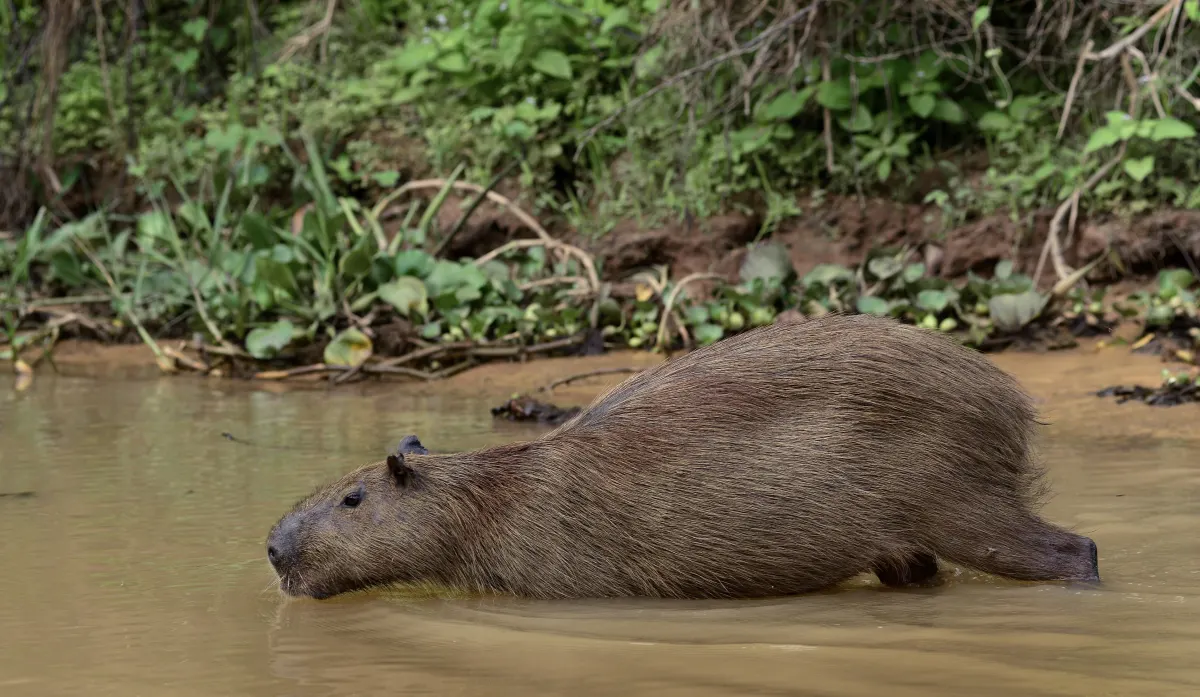
- Stay in a lodge in Porto Jofre, on a houseboat, or at a ranch (fazenda) along the road, which is also good for birds, capybaras, giant anteaters and (by night drives) ocelots.

Transpantaneira and Porto Jofre, Pantanal
The Pantanal is the world's largest tropical wetland, about the size of France, and much better than the Amazon for seeing wildlife.
Choosing a lodge
- Work out the real travel time from the airport, and whether transfers, meals, guides, park fees and drinks are in the price. Longer transfers are usually quieter places.
- Ask who owns and runs it, how it treats the local community, how many guests share a guide, and whether the guide speaks English and is licensed.
- In the Amazon, look at how far it is from Manaus: lodges an hour or two away are easy, but the forest near the city is partly cleared. Three nights is the least worth it; five is better. Black-water rivers such as the Rio Negro have far fewer mosquitoes than the muddy ones.
- Avoid places that promise to let you hold sloths, snakes or caiman, and don't buy feathers or animal products.
- Ask about safety on the boat (life jackets), first aid and how they'd get you to a doctor.
In the Amazon
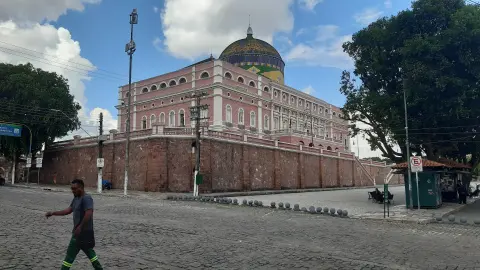
- Manaus is the gateway, reached by air from São Paulo, Rio, Brasília and others. See the Meeting of the Waters and the opera house.
- Anavilhanas, with Novo Airão, is the easiest area: the river islands, flooded forest, pink dolphins and lodges about 3 hours from the city. Jaú National Park is wilder and takes days by boat, with a permit.
- Belém, near the mouth of the river, is the place for açaí and Amazon food. See Amazon from Manaus for a route.

Meeting of the Waters, Manaus
Just outside Manaus, the dark, warm Rio Negro meets the cooler, sandy-coloured Rio Solimões, and the two rivers run side by side without mixing for a…

Anavilhanas Archipelago, Rio Negro
One of the largest river archipelagos in the world, with around 400 forested islands in the dark waters of the Rio Negro, protected as a national park.
Where not to go
The UK advises against all but essential travel along the Amazon (Solimões) and its tributaries west of Codajás and east of Belém do Solimões, along the Itaquaí River and any part of the Japurá, and along the Rio Negro and its tributaries north or west of Barcelos, because of armed groups, pirates and drug traffickers. Canada advises against non-essential travel within 20 km of most of the land borders (50 km of Venezuela's), except the Pantanal National Park near Bolivia. Lodges near Manaus and Novo Airão are outside these areas, but check before you travel, and check your insurance.
What to take
- Yellow fever vaccination, and advice on malaria: see Health.
- Long, light clothes in pale colours, repellent, a torch with spare batteries, binoculars, a dry bag, a rain cape and lots of cash. The Pantanal can be cold in June to August, with mornings near 10°C.
- Don't swim where locals don't, and tuck your trousers into your socks on forest walks.
See also The Pantanal and Bonito and When to go.


Comments
No comments yet.