
When to go to Brazil: the weather and seasons, region by region, and the big festivals
Brazil spans the equator and most of a continent, so there's no single best time. The seasons are the reverse of the north's: December to March is summer. Away from the coast, the dry and wet seasons matter more than summer and winter. Brazilian holidays also decide prices: the weeks around Christmas, New Year, Carnival, Easter and July are the busiest and dearest.
Region by region
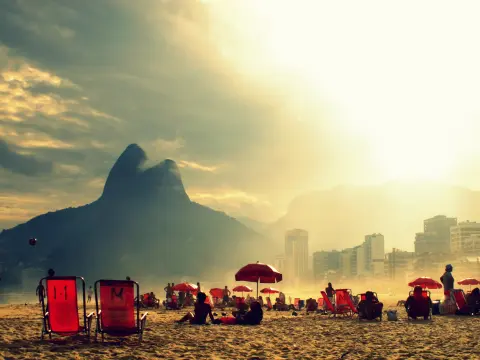
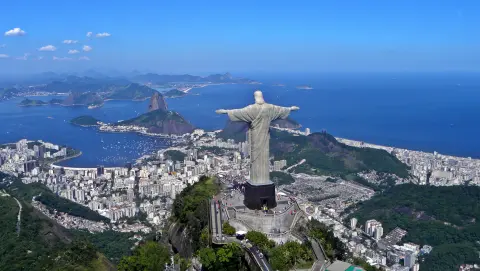
- Rio and the southeast coast (Paraty and Ilha Grande): hot and wet from December to March, with storms that can cause floods and landslides. April to June and August to October are drier, with warm days. June to August is mild, with cool evenings.
- São Paulo and Minas Gerais (including MASP, Ouro Preto and Inhotim): similar, cooler and higher, with dry, sunny winters. May to September is best for walking.
- The south (Florianópolis and Aparados da Serra): four real seasons. December to March for the beaches (crowded); winter can bring frost. Floods have been severe in recent years.
- Iguaçu Falls (Brazilian side): good all year. There's most water in the wetter months, about October to March, and heat and crowds in January. It's cooler and less busy from April to September.
- Brasília and the Cerrado (Brasília, Chapada dos Veadeiros): dry from about May to September, with very low humidity and fires; wet from October to April.
- The Pantanal (Porto Jofre) and Bonito: dry from June to October for wildlife. Bonito's rivers are clearest in the dry months.
- The Amazon (Manaus): wettest from December to May; June to November is drier. See The Amazon and the Pantanal.
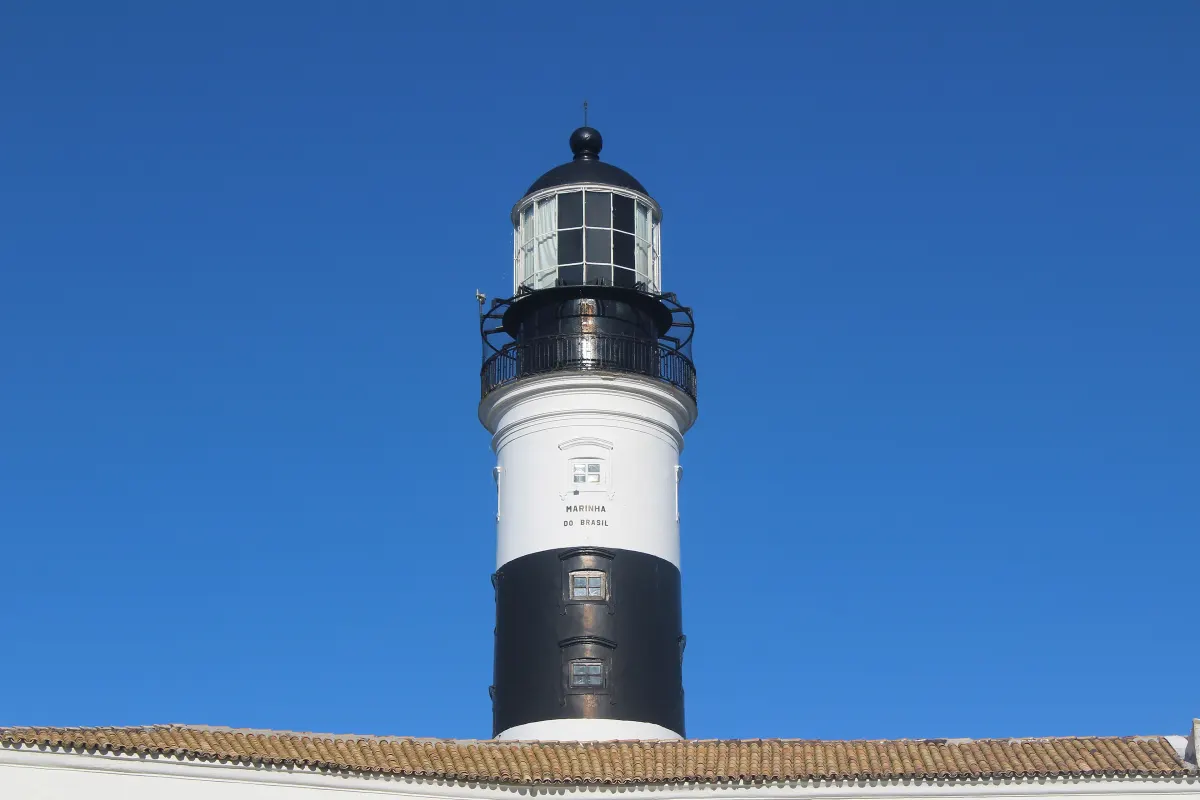
- Salvador and the eastern northeast (Pelourinho): hot all year, with most rain from April to July. September to March is sunnier. Chapada Diamantina is best in its cooler, drier months, about April to October.
- Lençóis Maranhenses (the dune lagoons): rain fills the lagoons, so June to September is the time, and by late in the year many are dry.
- Jericoacoara and Ceará (Jericoacoara): sun nearly all year, wettest from about February to May. Strong winds for kitesurfing are from July to January.
- Fernando de Noronha (Baía do Sancho): rain mostly from March to July; the clearest water is about August to December. There's a daily environmental tax (R$105.79 a day from January 2026, more the longer you stay), and a national park ticket that costs more for foreigners. Numbers and flights are limited: book months ahead. See Baía dos Porcos and the dolphin lookout.

Baía do Sancho, Fernando de Noronha
Often voted the most beautiful beach in the world: a cove of golden sand at the foot of green cliffs, with clear turquoise water full of fish, turtle…
Festivals
- New Year's Eve (Réveillon): the beach parties in Rio. People wear white. Book early.
- Carnival: February or March. See Carnival.
- Festa Junina: São João and other saints' days in June, with bonfires, dancing and corn food, at its biggest in the northeast.
- Parintins: a huge Amazon festival at the end of June.
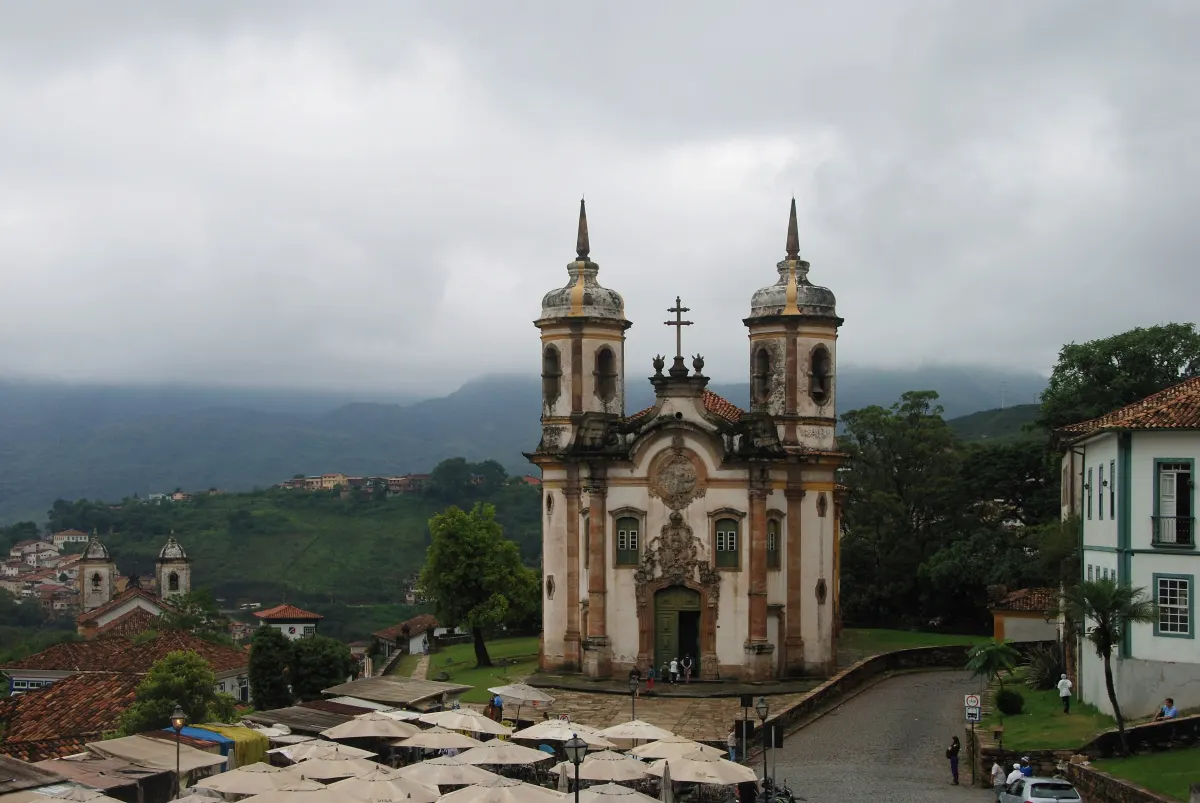
- Holy Week in Ouro Preto and other towns of Minas Gerais: flower carpets and processions.
El Niño and the weather warnings
A strong El Niño is expected from late 2026 to early 2027, according to the UK government. It raises the risk of heavy rain, floods and landslides in the south, and of drought, heat and wildfires in the north and northeast. Follow local warnings, and the Civil Defence alerts, and don't drive in heavy rain or through floodwater.
Booking
For high season, book flights and beds three to six months ahead. In the rainy months, keep a spare day in your plan. See 10 days from Rio to Iguaçu.

Comments
No comments yet.