
Carnival in Brazil: dates, the Rio sambadrome, blocos, Salvador and Olinda, and booking
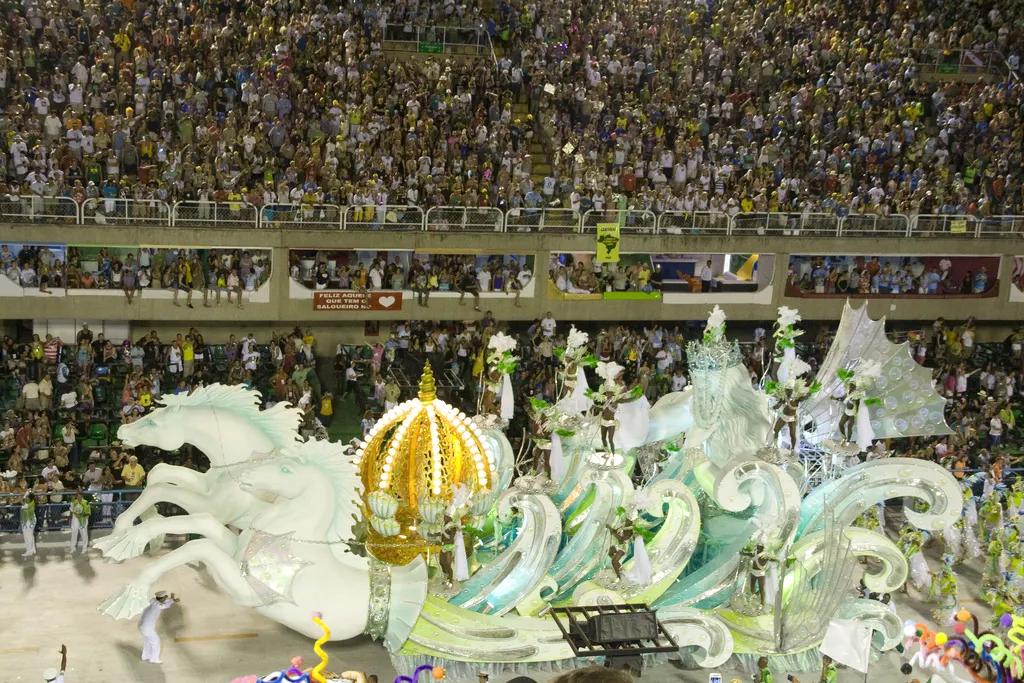
Carnival is Brazil's biggest party, in the days before Lent. Some cities stop work for a week, flights and hotels cost far more, and the streets fill up for weeks beforehand. You don't need a ticket to have a wonderful time: the street parties are free.
When it is
- Carnival Tuesday is 47 days before Easter, so it moves: 9 February 2027 and 29 February 2028. The main days are the Friday to the Tuesday before Ash Wednesday.
- In Rio in 2027, the top samba schools (the Grupo Especial) parade on the nights of Sunday 7, Monday 8 and Tuesday 9 February, according to the league, Liesa. The Champions' Parade is on Saturday 13 February. The Friday and Saturday before are usually the second division.
- Rehearsals and smaller parades start in November and January. Street parties go on for a few weeks before and after.
The Rio sambadrome
- The samba school parades are in the Sambódromo, a long avenue lined with stands. Each school has thousands of people in costume, drums and huge floats, and is judged. A night runs from about 10pm to dawn, so bring snacks, a cushion and a rain cape, within the rules on bags.
- Seats: grandstands (arquibancadas, the cheapest, numbered by sector and often unreserved), frisas (open boxes by the track) and camarotes (hospitality suites).
- Tickets: Liesa names the official seller on its site. For 2027 that was Ticketmaster Brasil, and the sales in stages from August 2026 sold out fast. Check Liesa first, and don't buy from sellers on WhatsApp or social media, because resold tickets can be cancelled. You may need a CPF to buy on Brazilian sites: try agencies that sell to foreigners if so.
- The technical rehearsals, free, are in the sambadrome on some weekends in January and February: ask Liesa's calendar.
Tours and activities
Rio Carnival
Rio de Janeiro
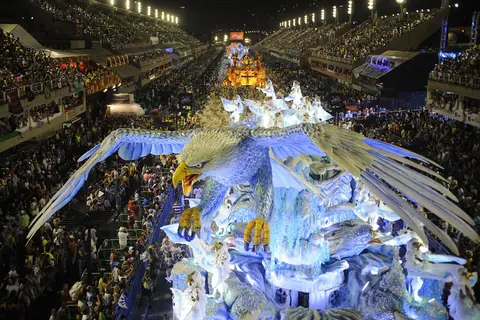
The samba school parades at the Sambadrome, plus free street parties (blocos) all over the city, in February or March.
Blocos
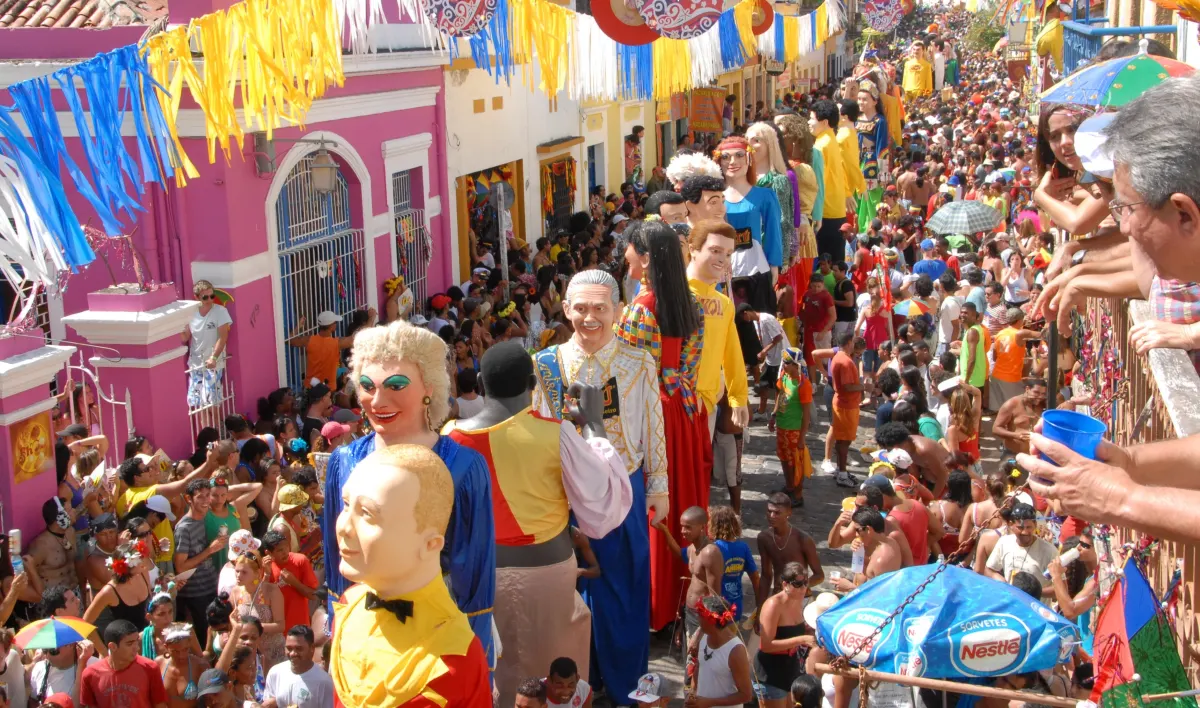
- Blocos are street parties with a band on a truck, or drummers on foot, and hundreds to hundreds of thousands of people. They're free. Rio and São Paulo have hundreds. Check the city's official list for the time and place, because they change.
- Many start early in the morning, and go on all day. Wear a costume, good shoes, sunscreen and a hat, and eat first.
- Carry almost nothing: cash, a copy of your ID, and a cheap phone in an inside pocket. Pickpockets love a crowd. Agree a meeting place with friends, and don't leave drinks. See Safety, including methanol.
- Kissing is common, but consent matters. The campaign "Não é não" (no is no) is everywhere, and harassment is a crime.
Other great carnivals
- Salvador: the biggest street carnival, with bands playing on huge sound trucks (trios elétricos). Buy an abadá (a T-shirt that lets you inside the rope with the band), or dance outside for free, in the pipoca (popcorn). Pelourinho has gentler music. See Pelourinho.
- Recife and Olinda: the frevo dance and its small umbrellas, giant puppets in Olinda's steep old streets, and the Galo da Madrugada on the Saturday in Recife.
- São Paulo: its own samba school parades and huge blocos.
- Ouro Preto and other Minas Gerais towns: students' parties in colonial streets (see Ouro Preto).
Booking
- Book beds six months or more ahead in Rio, Salvador and Olinda. Many places set a minimum stay of four or five nights, and paid-for-in-advance bookings may be non-refundable: read the rules.
- Flights and buses fill up too. Arrive a day early, and have your insurance and cards sorted. Many banks, offices and shops close.
- If you don't like crowds, go to a small beach town, or come back in March, when it's quieter and still warm.



Comments
No comments yet.