
Phones and apps for Brazil: SIM cards and the CPF problem, eSIMs, WhatsApp and useful apps
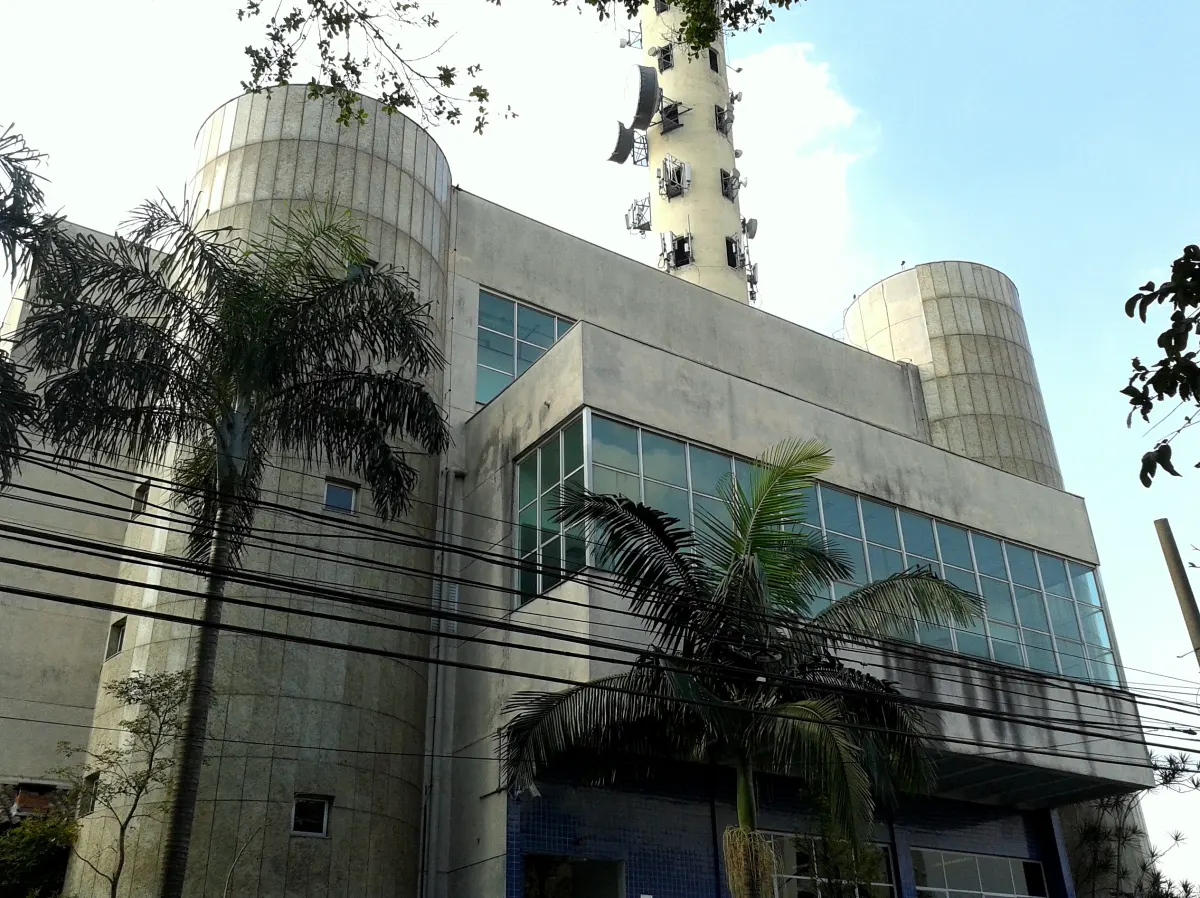
Mobile coverage is good in cities and along main roads, and patchy in the Amazon, the Pantanal and some parks. The easiest way to get online is a travel eSIM set up before you fly. Brazilian SIM cards are cheaper but harder to buy.
The CPF problem
A CPF is Brazil's tax number, and shops, websites and phone companies ask for it all the time. Foreigners don't normally have one. For a short trip you don't need one: use your passport number where it's accepted, leave it blank, or pay in person. If you'll stay a long time or visit often, you can apply for a CPF through a Brazilian consulate or the tax authority (Receita Federal).
Travel eSIMs
- If your phone supports it and isn't locked, buy a data eSIM from an international company, install it at home, and switch it on when you land. No CPF is needed. Compare prices, the network it uses and whether it allows tethering.
- Keep your own SIM switched on for texts (turn off data roaming), so that you can receive bank codes.
Brazilian SIM cards
- The big networks are Vivo, Claro and TIM. In theory regular prepaid SIMs need a CPF, but each has offered visitors something with a passport.
- In 2026 guides reported passport-based tourist eSIMs from Vivo and Claro, and physical SIMs from TIM, often in its own stores. What staff will sell differs from shop to shop, and they may still ask for a CPF, so take your passport and the address where you're staying, and go to the company's own store, not a kiosk.
- Check that it works before you leave the shop. Don't let a stranger register one for you, and don't buy a SIM that's in someone else's name.
WhatsApp and other apps
- WhatsApp (people say "Zap" or "Zapzap") is how Brazil talks: hotels, tour companies, restaurants and guides will give you a number there. Set it up at home with your own number.
- Uber and 99 for rides: set them up before you go, and add a card. Uber can verify with a text, so keep your own SIM working.
- Google Maps or Waze, with an offline map. Don't follow the route into a favela. Google Translate, with Portuguese downloaded.
- Your bank's app, with low limits, and an airline app for your boarding passes.
- Bus companies' apps may not accept foreign cards.
Keeping your phone safe
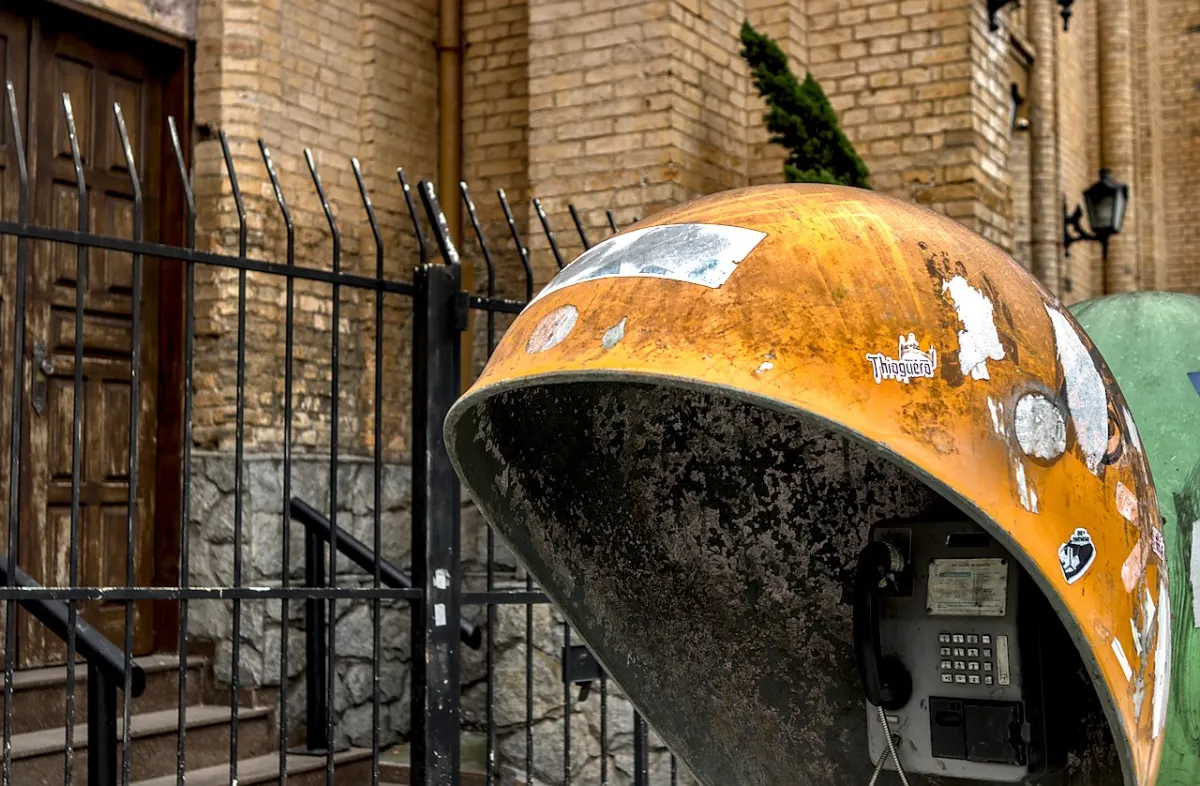
Phones are the first thing thieves want. Don't use yours in the street, keep the screen lock and SIM PIN on, and set up remote wipe. Write down your IMEI number (dial *#06#), and the number to block your SIM. See Safety.
Electricity
Brazilian sockets are type N, with three round pins, and mains power is 127 or 220 volts depending on the place: ask before you plug in a hairdryer. Most chargers for phones and laptops work on both.
See also Money for Pix and Getting around.



Comments
No comments yet.