
When to go to Spain: weather by region, the seasons, crowds, festivals and the 2027 solar eclipse
April to mid-June and mid-September to October suit most of Spain: warm, long days and fewer people. But this is a big, high country with four climates, so there's somewhere good in every month.
By region
- Andalusia: best from March to May and from October to November. July and August in Seville and Córdoba are furnace-like. Winters are mild, 15 to 18°C by day, but nights in Granada are cold.
- Madrid and the centre: "nine months of winter and three of hell", they say. Spring and autumn are lovely. Segovia, Salamanca and Teruel freeze in winter.
- Barcelona, Valencia and the Mediterranean: good from April to October. The sea is warm from late June to October. The heaviest rain is from September to November.
- The green north (Galicia, Asturias, Cantabria, Basque Country): the place for June to September, at 20 to 26°C. Bring a raincoat whenever you go. San Sebastián's La Concha is best then.
- Pyrenees and Picos de Europa: walk from mid-June to early October. The high paths hold snow until July. Ski from December to April, at Baqueira and Formigal, and in Sierra Nevada.
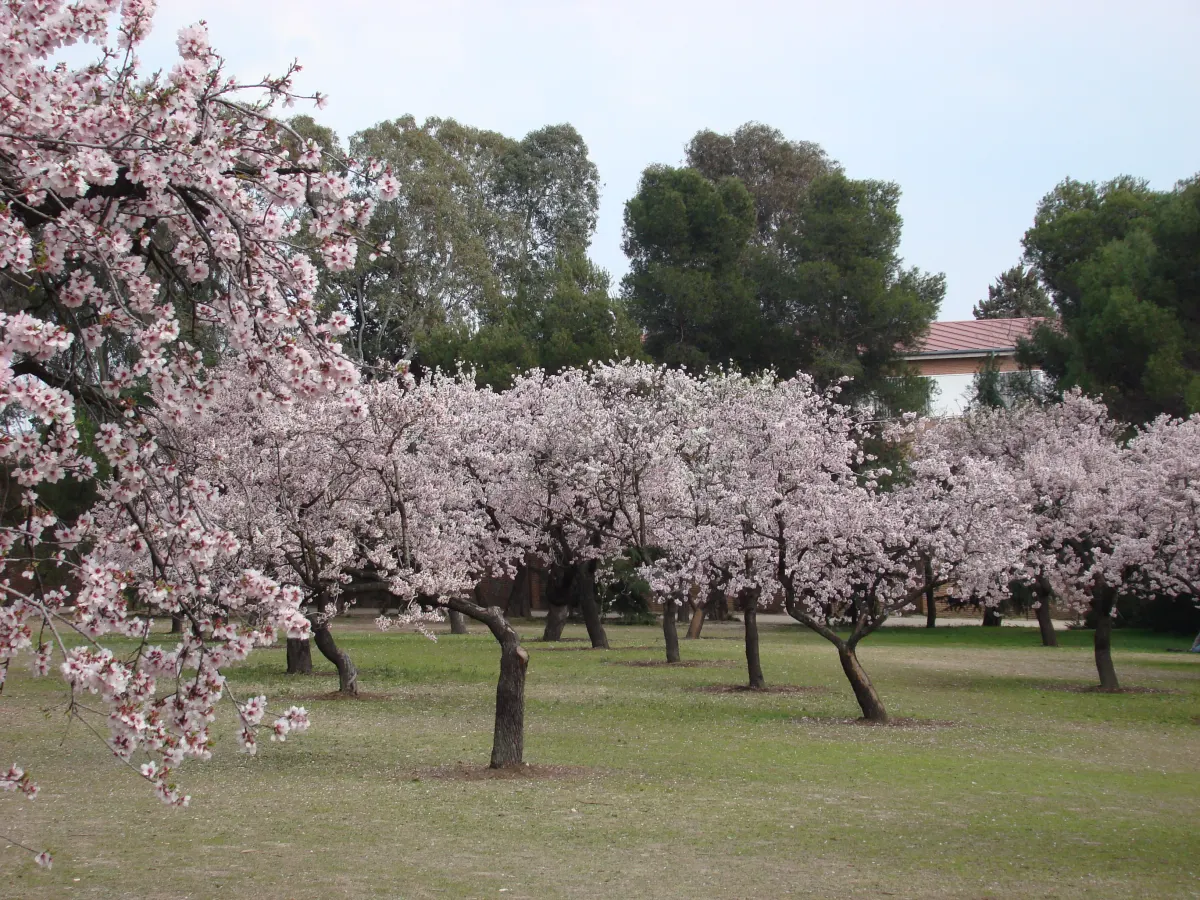
- Balearics: May to October. Many hotels in Ibiza and the resorts close from November to April, when Mallorca is fine for walking and cycling. Almonds blossom in February.
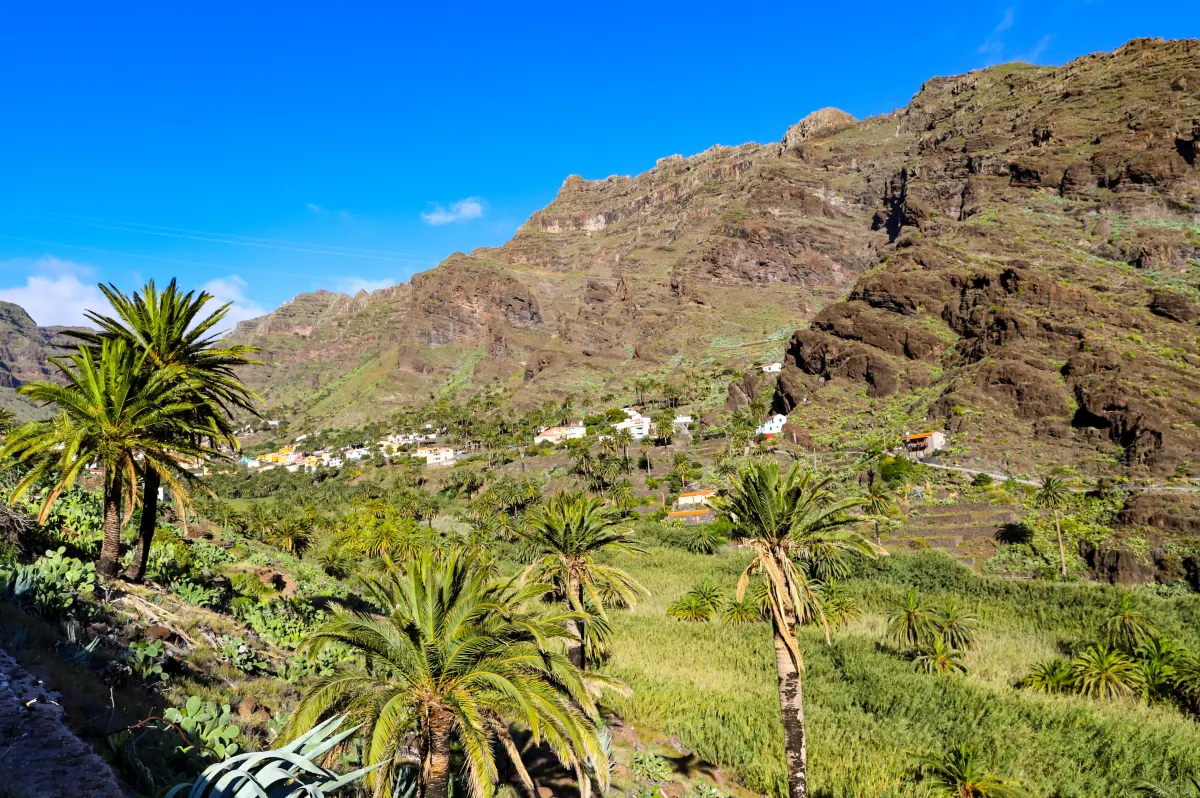
- Canaries: 18 to 28°C all year. The south of each island is sunnier, the north greener and cloudier. Winter is high season. Warm, dusty wind from the Sahara (calima) comes now and then.
Busy times
- Easter week, late July and all of August, long weekends (puentes), and 6 to 8 December.
- Barcelona, the Alhambra and Seville's Alcázar are busy from March to November. Book: see Sights.
- Quiet: mid-November to mid-December, and 7 January to mid-February. Museums are empty and rooms cheap.
2027 dates
- Carnival: about 4 to 14 February, biggest in Santa Cruz de Tenerife and Cádiz.
- Las Fallas, Valencia: 15 to 19 March.
- Semana Santa: 21 to 28 March. Feria de Abril, Seville: from the night of 12 April to 18 April.
- Sant Jordi, Catalonia: 23 April, roses and books. Patios of Córdoba: the first half of May.
- San Juan bonfires on the beaches: night of 23 June.
- San Fermín, Pamplona: 6 to 14 July.
- 25 July is St James's Day, and it's a Sunday in 2027, so all of 2027 is a Holy Year in Santiago. The Holy Door opens on 31 December 2026. Expect record numbers on the Camino: see walking from Sarria.
- 2 August: total solar eclipse, at about 10.50 am. Totality crosses Ceuta, Melilla, nearly all of Cádiz province and part of Málaga, and the southern edge of Granada and Almería. It lasts more than 4½ minutes at Tarifa and Ceuta, nearly 3 in Cádiz city and under 2 in Málaga city. Rooms and roads will be full: book now, and bring certified eclipse glasses.
- La Tomatina, Buñol: 25 August. La Mercè, Barcelona: about 24 September.
Public holidays
1 and 6 January, Good Friday (26 March 2027), 1 May, 15 August, 12 October, 1 November, 6, 8 and 25 December, plus two or more chosen by each region and two by each town. If one falls on a Sunday, regions may move it to the Monday.
Daylight and packing
- Spain is so far west in its time zone that in June it's light until 10 pm, and in December the sun rises after 8.30 in Madrid.
- Layers even in summer for the north, the mountains and air-conditioned trains. Real shoes for cobbles. A smarter outfit for evenings.
See also Health and heat and Festivals.

Natural features
La Concha Beach, San Sebastián
Donostia-San Sebastián, Gipuzkoa
A perfect shell-shaped bay of golden sand in the heart of San Sebastián (Donostia), often called the best city beach in Europe, with the little islan…

Buildings
Cathedral of Santiago de Compostela
Santiago de Compostela, A Coruña
The great Romanesque cathedral at the end of the Camino de Santiago pilgrimage, said to hold the tomb of St James.

Comments