
Health in Spain: heat, pharmacies, health cards and insurance, mosquitoes, ticks and altitude
Spain has very good health care and no unusual risks. The thing most visitors underestimate is the heat.
If you're ill
- 112: emergency and ambulance. Regions also have a medical line, 061 in several.
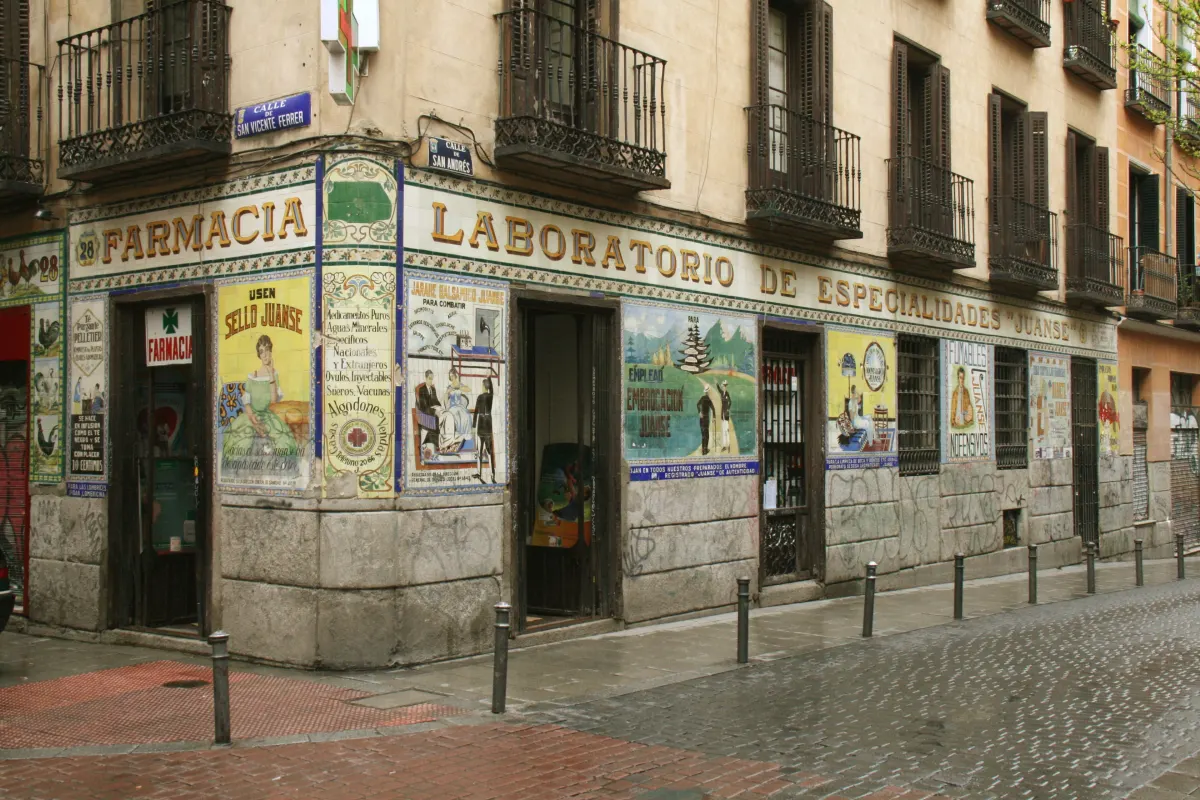
- Pharmacy (farmacia, green cross): the first stop for anything small. Pharmacists advise well and some medicines that need a prescription elsewhere don't here. One is always open at night: the farmacia de guardia is listed on every pharmacy's door.
- Centro de salud: the public clinic, for a doctor or nurse. Urgencias: hospital emergency.
- In resorts, hotels may call a private doctor or ambulance, which health cards don't cover. Ask before you get in, and ring your insurer.
- Pharmacies are the only place to buy medicines, even painkillers.
Health cards and insurance
- EU visitors need an EHIC and UK visitors a GHIC (free from the NHS) for state care. Neither covers rescue, private hospitals or getting you home.
- Everyone else pays, so have travel insurance. Check it covers walking, skiing, scooters and boats if you'll use them.
- Bring prescription medicines in their boxes, with the prescription. For strong painkillers, ADHD medicine and the like, check Spain's rules first.
Heat
- In July and August, Seville, Córdoba, Jaén, Badajoz and Toledo are often over 38°C, and can pass 44. Madrid and Zaragoza are nearly as hot. The 2026 heatwaves killed many people across Spain.
- Do as the locals do: sights at opening time, indoors from 2 to 7 pm, out again at night. Book a room with air conditioning.
- Drink before you're thirsty, wear a hat, and eat light: gazpacho was invented for this.
- Some trails and the Tabernas Desert have no shade at all. Don't walk there after 10 am in summer.
- Heatstroke (confusion, hot skin, fainting) is an emergency: ring 112 and cool the person down.
- AEMET's warnings are yellow, orange and red. Many towns open cool shelters (refugios climáticos): libraries, museums and shopping centres.
Water and food
- Tap water is safe nearly everywhere. On some coasts and islands it's desalinated or hard and tastes odd, so people buy bottles. Fountains marked no potable aren't for drinking.
- In hot weather be careful with mayonnaise, egg dishes and seafood that has stood out.
Mosquitoes, ticks and others
- West Nile virus: 2026 was a bad year, with about 139 cases by the end of September, most of them in Andalusia and Extremadura, near rivers and rice fields such as those around Doñana. Use repellent from dusk to dawn, from June to November.
- Dengue: only now and then, on the Mediterranean coast, from tiger mosquitoes that bite by day.
- Ticks: wear long trousers in long grass, and check yourself. A few people a year catch Crimean-Congo fever in the west and centre, around Monfragüe and Salamanca for example. See a doctor about a fever after a bite.
- Pine processionary caterpillars walk in lines from about February to May. Their hairs cause bad reactions in people and dogs: don't touch.
- Jellyfish: rinse with sea water, not fresh. Weever fish stings: hot water.
- Make sure your measles vaccination is up to date.
Altitude
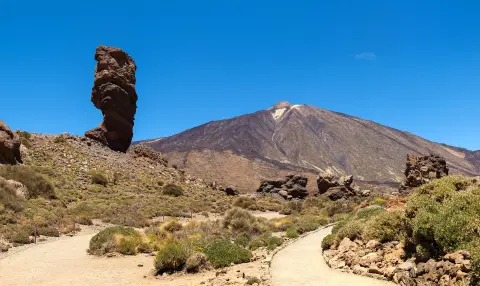
The cable car on Teide climbs to 3,555 m in minutes. Most people only feel short of breath, but it isn't recommended with heart or lung trouble, in pregnancy or for small children. Wait 24 hours after scuba diving. Sierra Nevada is nearly as high.
Sun
The sun is strongest at about 2 pm, as Spain's clocks run late, and in the Canaries it burns in January. Use factor 30 or more. Beaches in summer have little natural shade.
See also Safety and When to go.


Comments