
Arriving in Spain: Schengen rules, EES and ETIAS, customs and getting into town from the airports
Spain is in the Schengen area, the group of European countries with no routine passport checks between them. Most visitors from outside the EU can come for up to 90 days without a visa. Two systems matter: EES, which is running, and ETIAS, which isn't yet.
The 90-day rule
- Citizens of the UK, USA, Canada, Australia, New Zealand, Japan, South Korea, most of Latin America and many other countries can stay without a visa for up to 90 days in any 180-day period. The days count for the whole Schengen area together, so time in France or Portugal uses them up too. The Balearic and Canary Islands are included.
- If you overstay you may be banned for up to three years.
- EU, EEA and Swiss citizens need only a passport or national identity card. Other nationalities, including Indian, Chinese and South African citizens, normally need a Schengen visa, applied for in advance.
Your passport and papers
- For visitors from outside the EU, the passport must have been issued less than 10 years before you arrive, and be valid for at least three months after you leave the Schengen area.
- Border officers can ask for a return or onward ticket, where you're staying, travel insurance and proof of enough money. If you're staying with friends or family, they can ask for an invitation or proof of the address.
- Hotels, rentals and car hire companies must register your details with the police, so you'll need the passport when you check in.
EES: fingerprints and a photo
- The Entry/Exit System replaced passport stamps for short-stay visitors from outside the EU and Schengen. It has been in full use since 10 April 2026, and the rules that let airports relax it in busy periods ended in September.
- The first time you cross the border, your fingerprints and photo are taken. It's free and there's nothing to do before you travel. Children aged 11 or younger don't give fingerprints. The record lasts three years.
- Queues can be long when several flights land together, especially at the holiday airports. Allow more time for passport control on the way home too, as it can come after security and shortly before the gate.
- If you change planes in another Schengen country, you go through EES there, not in Spain.
ETIAS: not yet
- ETIAS is an online travel authorisation that visa-free visitors will need. On 24 November 2026 the EU's official site said it isn't in operation and that no applications are being taken. The old target of late 2026 has gone, and 2027 is expected, but there is no date. The EU says it will announce one several months ahead.
- It will cost €20, online. Any website that takes your application now is not genuine. The only official address is travel-europe.europa.eu. Look there before you book.
Gibraltar, Andorra, Ceuta and Morocco
- Gibraltar: since 15 July 2026 there are no passport booths at the land border with Spain. Gibraltar's entry rules for short stays now match Schengen's, so check them before you fly there.
- Andorra isn't in Schengen. Customs check cars on the way out, as tobacco and alcohol are cheap there.
- Ceuta and Melilla are Spanish cities in Africa. Going on into Morocco means leaving the Schengen area, with its queues and checks.
Customs
- From outside the EU you can bring up to €430 of goods by air or sea (€300 by land, €150 for under-15s), plus, for over-17s, 200 cigarettes, 1 litre of spirits or 2 litres of fortified or sparkling wine, 4 litres of still wine and 16 litres of beer.
- Meat, milk and anything made with them are banned from most countries outside the EU. Baby milk and special medical foods are allowed. That includes the sandwich from the plane.
- Declare cash of €10,000 or more, in or out.
- The Canary Islands are outside the EU's VAT area, so limits on tobacco, alcohol and goods apply when you fly from there to the mainland.
From the airport
- Madrid Barajas: metro line 8 to Nuevos Ministerios (€4.50 to €5 with the airport supplement, plus €2.50 for the card; about 12 to 20 minutes), Cercanías trains from T4, or the 24-hour yellow Airport Express bus to Cibeles and Atocha (€5.10). Taxis charge a fixed €33 to anywhere inside the M-30 ring road.
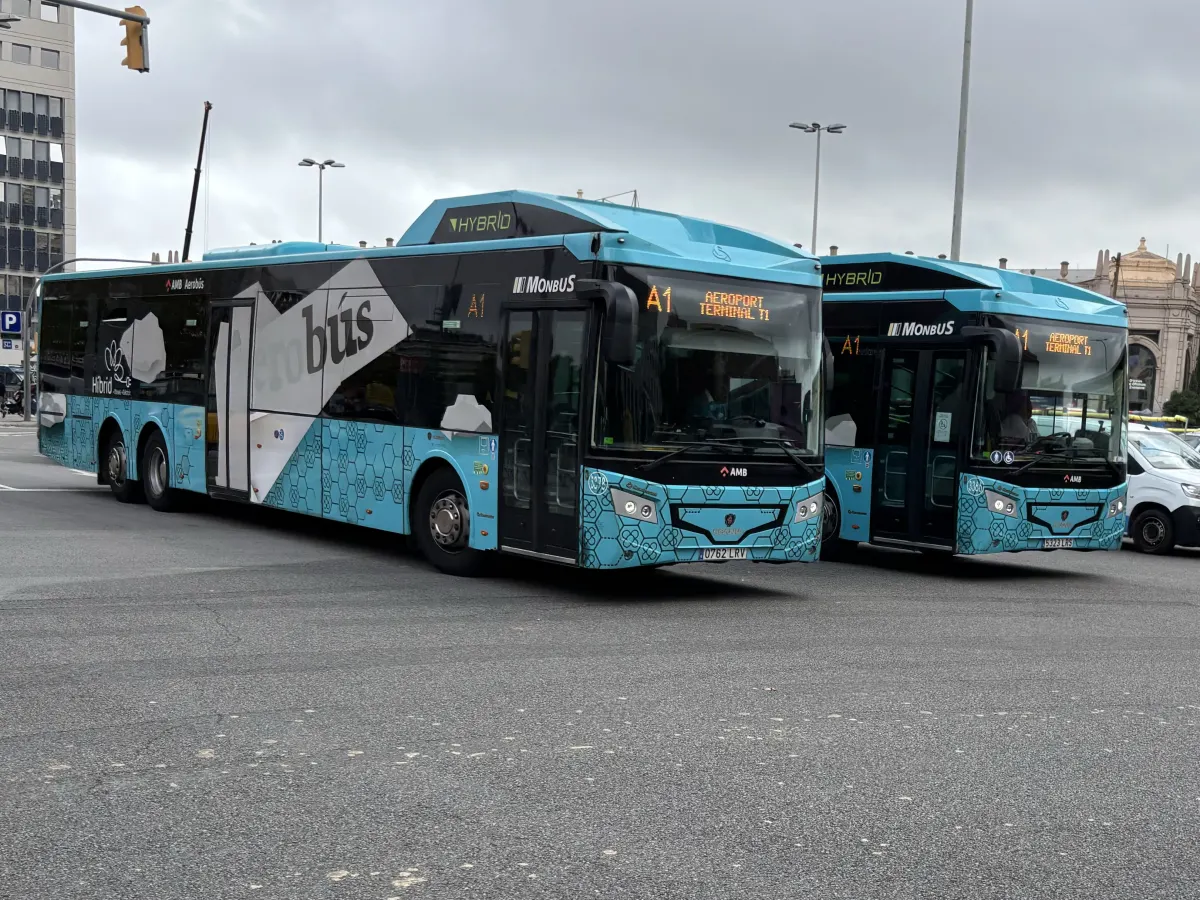
- Barcelona El Prat: the Aerobús to Plaça de Catalunya, the R2 Nord train from T2 to Sants and Passeig de Gràcia, or metro L9 Sud (airport ticket €5.90; ordinary tickets don't work). Taxis use the meter, with a minimum fare.
- Málaga: the C1 Cercanías train to the city and along the coast to Torremolinos and Fuengirola.
- Seville: the EA bus, or a taxi at a fixed price that's higher at night and on holidays. Granada: a bus timed for the flights.
- Valencia: metro lines 3 and 5. Alicante: bus C6. Bilbao: the Bizkaibus to the city, and a coach to San Sebastián. Santiago: bus 6A.
- Palma: bus A1 to the city, and airport buses to the resorts in summer. Tenerife has two airports, South (resorts) and North (Santa Cruz), an hour apart: check which one you've booked.
The Canaries are one hour behind the rest of Spain. See also Getting around Spain, Where to stay and Safety.





Comments