
Getting around Spain: high-speed trains, buses, ferries to the islands, metros and city cards
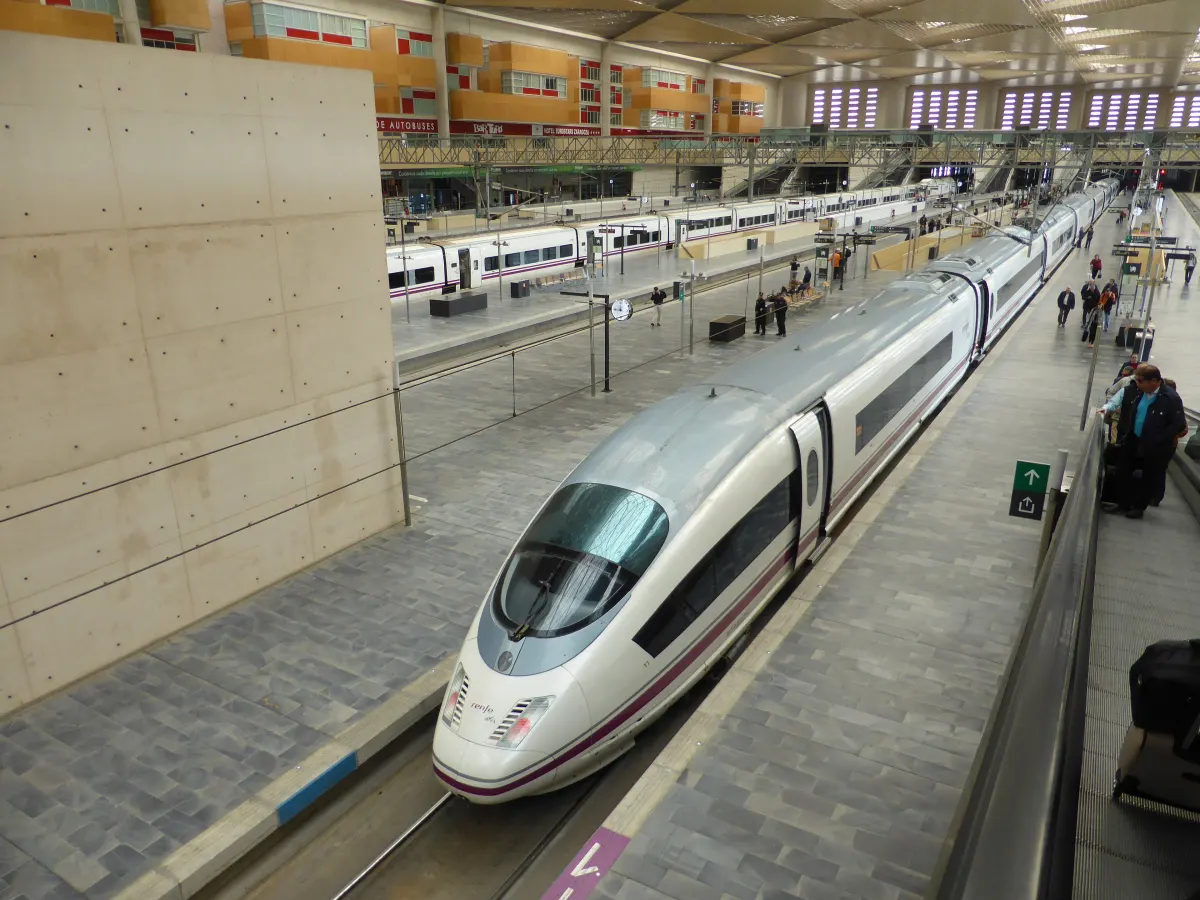
Spain has Europe's longest high-speed railway, with three companies competing on price, and good coaches to nearly everywhere else. You don't need a car for the big cities. You'll want one for the mountains, the villages and most islands.
First: the Madrid to Andalusia line is closed
- On 28 October 2026 two high-speed trains collided near Urda, in Toledo province, and 69 people died. The high-speed line between Madrid and Andalusia (Córdoba, Seville, Málaga, Granada and Cádiz) has been closed since then.
- On 19 November a judge let the repairs begin. The government spoke of about two weeks' work, but Adif, which runs the tracks, said it couldn't promise a date. Renfe, Iryo and Ouigo are selling tickets from 13 December. That isn't a confirmed reopening.
- When it reopens there will be fewer trains than before until new signalling is in use, expected in early 2027.
- Meanwhile, go by coach (Socibus to Córdoba, Seville and Cádiz; ALSA to Granada and Málaga), fly, or drive. Trains within Andalusia, such as Málaga to Seville, and from Madrid to Toledo, Barcelona and Valencia still run.
- Look at adif.es and the train company's own page before you book, and again before you travel.
High-speed trains
- Renfe runs AVE (full service), Avlo (low cost), Alvia (which go on over ordinary lines, to Galicia and Asturias for example) and Avant (shorter trips, such as Madrid to Toledo or Segovia). Ouigo (low cost) and Iryo compete on the busiest lines. Compare all three.
- Usual times: Madrid to Valencia about 2 hours, to Toledo or Segovia about half an hour. Madrid to Barcelona has taken 3 hours or more in 2026 (it was 2½), because of speed limits and works on the line.
- Book early: the cheapest seats, from €9 on some routes, go weeks ahead. Tickets usually go on sale a few months before, but the dates vary. Every seat is reserved, for that train only.
- Bring the passport or ID you booked with. At the big stations bags go through an X-ray, and gates close a few minutes before departure, so be there 30 minutes early.
- Luggage: the cheapest Avlo and Ouigo fares include only a small amount. Read the rules and pay for a bigger case when you book, not on the platform.
- Check the station: Madrid has Atocha (south and east, including Barcelona) and Chamartín (north, and most trains to Valencia and Alicante). Segovia's and Tarragona's high-speed stations are outside town, with a bus.
- Renfe's website sometimes refuses foreign cards. Try its app, PayPal, or a well-known reseller.
Other trains
- Media Distancia and Regional trains are slower and cheaper, usually with no need to book far ahead. Cercanías (Rodalies in Catalonia, Aldiri in the Basque Country) are the city suburban trains.
- Euskotren links Bilbao and San Sebastián slowly: the bus is quicker. FGC trains run from Barcelona's Plaça d'Espanya to Montserrat, with a cable car or rack railway at the end.
- Sóller train, Mallorca: the wooden train through the Serra de Tramuntana is closed for works from 23 November 2026 to 1 February 2027.
Coaches
- Coaches reach what trains don't, and are cheap and comfortable. ALSA is the biggest company; Avanza, Socibus, Movelia (a booking site) and FlixBus cover other routes.
- They're the best way from Seville to Ronda and the white villages, from San Sebastián to Bilbao, to Teruel, and between Granada, Málaga and the coast.
- Sundays and fiestas have fewer. Buy a seat ahead at weekends.
The islands
- Balearics: overnight and day ferries (Baleària, GNV, Trasmed) from Barcelona, Valencia and Dénia to Palma, Ibiza and Menorca. The fast boat from Ibiza to Formentera takes about half an hour.
- Canaries: a ferry from Cádiz or Huelva takes more than a day, so fly. Between islands, Binter and Canaryfly planes, and Fred. Olsen and Naviera Armas ferries. La Gomera is about an hour by boat from Los Cristianos in Tenerife.
- Cíes Islands: ferry from Vigo, with a permit in season.
- Big islands have good buses: TIB in Mallorca, TITSA in Tenerife.
Barcelona
- Single ticket €2.90. T-casual: 10 trips for one person, €13. T-familiar: 8 trips to share, €11.50. None of these work at the airport metro stations.
- The Hola Barcelona card (2 to 5 days) includes the airport metro. It pays only if you ride a lot: the centre is walkable.
Madrid
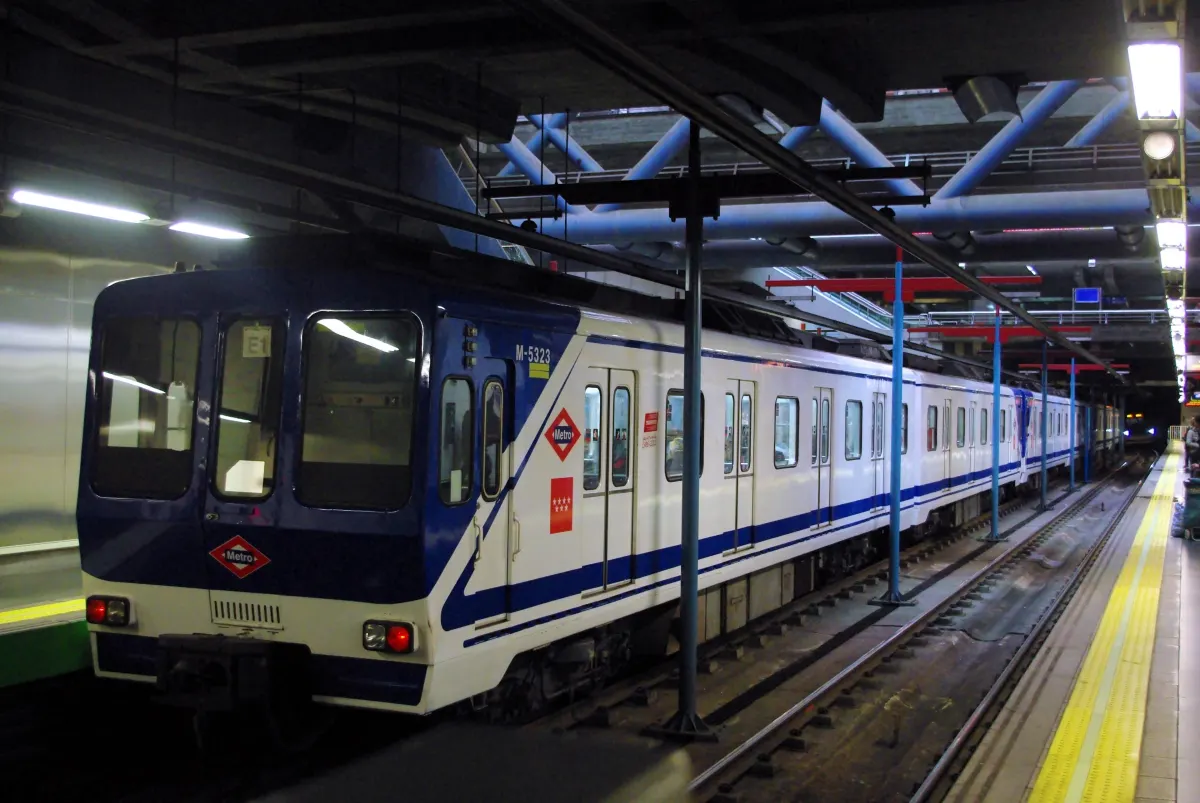
- You need a rechargeable Tarjeta Multi (€2.50), which can be shared. A metro ride is €1.50 to €2, and 10 trips on metro and bus cost €7.30 (2026 fares). The airport is €3 extra.
- The Tourist Travel Pass (1 to 7 days) includes the airport supplement and the card.
Elsewhere, Valencia, Bilbao, Seville and Málaga have metros or trams, and you can often tap a bank card. Fares change every January.
Taxis and ride apps
- Official taxis are cheap by European standards, use the meter and take cards: white with a red stripe in Madrid, black and yellow in Barcelona. A green light means free.
- Cabify, Uber, Bolt and FREE NOW work in the big cities, with different rules in each. In Barcelona, taxis are often quicker.
- Using an unlicensed taxi can mean a fine of up to €600 for the passenger.
Strikes
A strike is a huelga. Transport must run servicios mínimos, a published minimum. A cancelled train is refunded or changed. See also Driving in Spain and two weeks by train.

Montserrat Monastery
A Benedictine monastery perched on a mountain of strange, saw-toothed rock pinnacles, about an hour from Barcelona.

Ibiza
Famous for its superclubs and sunsets at Café del Mar, Ibiza also has a World Heritage old town, Dalt Vila, quiet coves in the north, and the Posidon…





Comments