
Two weeks in Spain by train: Barcelona, Madrid, Córdoba, Seville, Granada and Málaga
Gaudí's Barcelona, the great museums of Madrid, and the Moorish cities of the south: two weeks is enough for the best of them, without a car. Fly into Barcelona and out of Málaga.
Map of the route
Train from Barcelona to Madrid, about 630 km
Barcelona to Montserrat (day trip, by road), about 45 km
Train from Barcelona to Figueres (day trip), about 136 km
Train from Madrid to Toledo (day trip), about 81 km
Train from Madrid to Segovia (day trip), about 70 km
Madrid to Córdoba (high-speed line, closed in November 2026), about 349 km
Train from Córdoba to Seville, about 127 km
Train from Seville to Granada, about 279 km
Coach from Granada to Málaga, about 128 km
Click a dot for the place. Labels show where you spend each night; dashed lines are day trips. The railway lines are from OpenStreetMap and distances are approximate. The line from Madrid to Córdoba was closed when this was written (November 2026). Route from OpenStreetMap (© OpenStreetMap contributors, ODbL).
Before you go
- The line from Madrid to Andalusia has been closed since 28 October 2026, with no confirmed reopening date on 24 November. Until it reopens, take the coach from Madrid to Córdoba (about 5 hours), or fly Madrid to Seville or Granada and do the south in another order. Read Getting around before you book.
- When: April, May, late September and October. In July and August the south is too hot: see When to go.
- Book first: the Alhambra, the Sagrada Família, Seville's Alcázar and the trains. See Booking sights.
Day 1: Barcelona, the old city
Walk the Gothic Quarter, the cathedral cloister with its geese, and El Born, with the church of Santa Maria del Mar. Look at La Rambla and the Boqueria market in the morning, hand on your wallet. See the Picasso Museum if you've booked.

Gothic Quarter and La Boqueria, Barcelona
The heart of old Barcelona, a maze of narrow medieval streets and squares around the Gothic cathedral, with Roman walls, the Plaça del Rei and hidden…
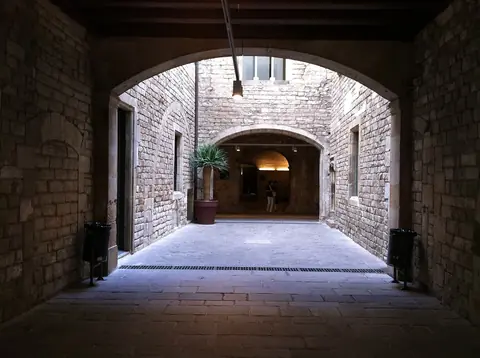
Picasso Museum, Barcelona
Picasso's early work in medieval palaces in El Born, including his Las Meninas series.
Day 2: Gaudí
The Sagrada Família at opening time or late in the afternoon, when the glass glows, and Casa Batlló and Casa Milà on Passeig de Gràcia. In the evening, have vermouth and tapas in Gràcia.

Sagrada Família, Barcelona
Antoni Gaudí's extraordinary basilica, under construction since 1882.

Casa Batlló and Casa Milà, Barcelona
Two of Gaudí's most famous buildings on the elegant Passeig de Gràcia.
Day 3: Park Güell and the sea
Park Güell in the first slot of the day, then Montjuïc's castle and museums, or the beach at Barceloneta.

Park Güell, Barcelona
A hillside park designed by Gaudí, with gingerbread-like gatehouses, a mosaic dragon on the grand staircase, and a great terrace edged with a long, w…
Day 4: Montserrat or Dalí
- Montserrat: FGC train from Plaça d'Espanya and the cable car or rack railway, about 1½ hours. Walk up to Sant Jeroni for the view.
- Or Figueres by fast train (under an hour) for the Dalí Theatre-Museum.

Montserrat Monastery
A Benedictine monastery perched on a mountain of strange, saw-toothed rock pinnacles, about an hour from Barcelona.
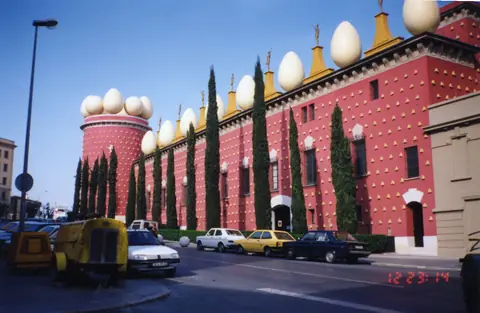
Dalí Theatre-Museum, Figueres
Salvador Dalí's own surreal museum, topped with giant eggs, holding his tomb and works like the Mae West Room.
Day 5: To Madrid
The train to Atocha has been taking about 3 hours. Walk in the Retiro, then see the Prado, free for its last two hours.

Prado Museum, Madrid
One of the world's great art museums, with the finest collection of Spanish painting: Velázquez's Las Meninas, Goya's 'black paintings' and The Third…

Retiro Park, Madrid
Madrid's favourite park, once the gardens of a royal palace, and part of a UNESCO World Heritage Site with the Paseo del Prado.
Day 6: Madrid's museums and palace
Picasso's Guernica at the Reina Sofía or the Thyssen in the morning, and the Royal Palace in the afternoon. Tapas on Cava Baja, and late churros with chocolate.
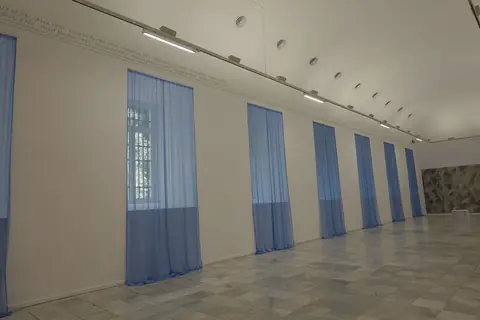
Reina Sofía Museum, Madrid
Spain's museum of modern art, home of Picasso's Guernica, with works by Dalí and Miró.

Royal Palace of Madrid
The official residence of the Spanish royal family, though they live elsewhere, and the largest royal palace in Western Europe, with more than 3,000 …
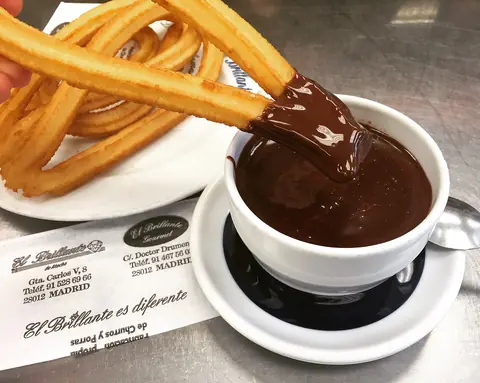
Churros con chocolate, Madrid
Fried dough sticks dipped in thick hot chocolate.
Day 7: Toledo or Segovia
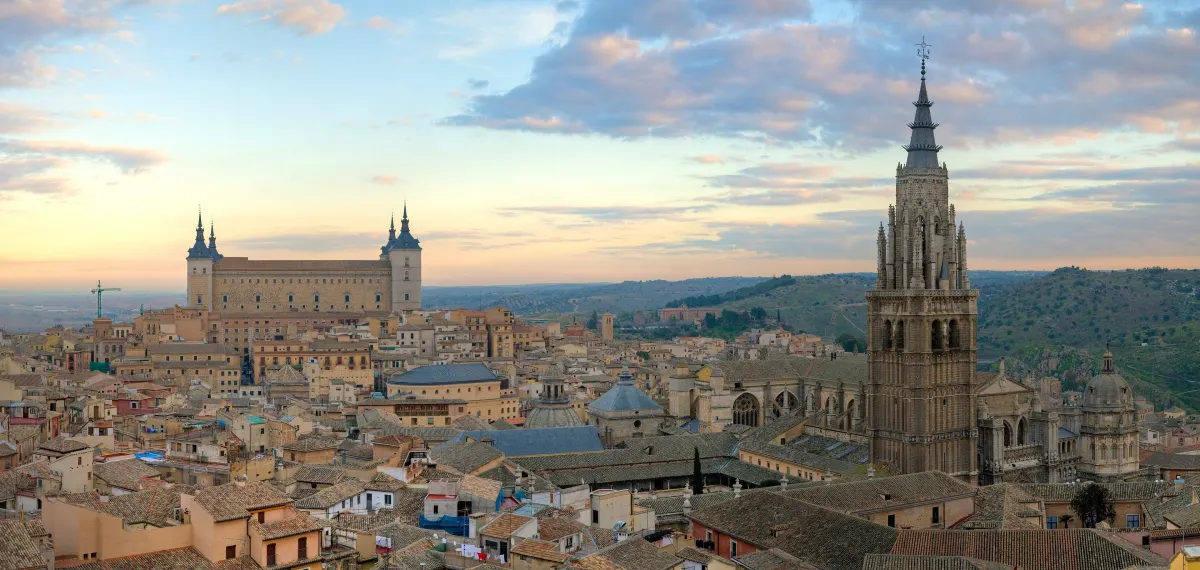

Toledo
A medieval city on a hill in a bend of the Tagus River, where Christians, Muslims and Jews lived side by side for centuries.

Aqueduct of Segovia
A Roman aqueduct built around 100 AD, striding through the heart of Segovia on two tiers of granite arches, up to 28 m high, built without mortar.
Day 8: Córdoba
By train under 2 hours when the line is open. See the Mezquita, whose striped arches go on and on, the lanes of the Judería, and the Roman bridge at dusk. Stay the night, and go back to the Mezquita at 8.30 am, when it's free. Lunch is salmorejo.

Mezquita of Córdoba
The great mosque of Córdoba, begun in 785, with a forest of more than 850 columns supporting red and white striped arches, and a dazzling mihrab of g…

Gazpacho and salmorejo
Cold Andalusian tomato soup with cucumber, pepper and garlic, perfect in summer.
Days 9 to 11: Seville
About 45 minutes by train. The Real Alcázar and its gardens, the cathedral and Giralda, the Plaza de España at sunset, and Triana across the river for tapas. See flamenco in a small venue. For a day out, go to Cádiz or Jerez by train, or visit Itálica's Roman ruins by bus.

Real Alcázar of Seville
A royal palace begun by the Moors and rebuilt by Christian kings in the Mudéjar style, with richly tiled and carved halls, courtyards with pools, and…
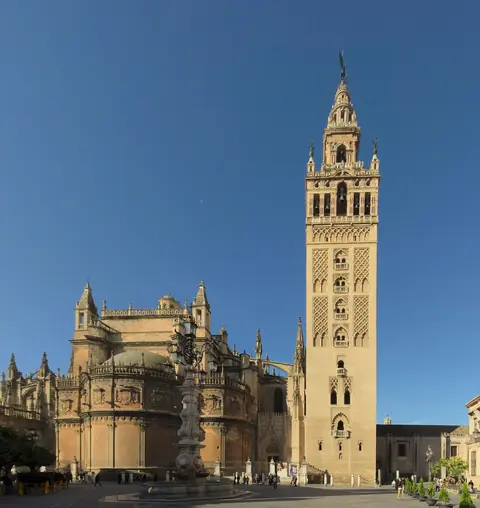
Seville Cathedral and the Giralda
The world's largest Gothic cathedral, with the tomb of Christopher Columbus.

Plaza de España, Seville
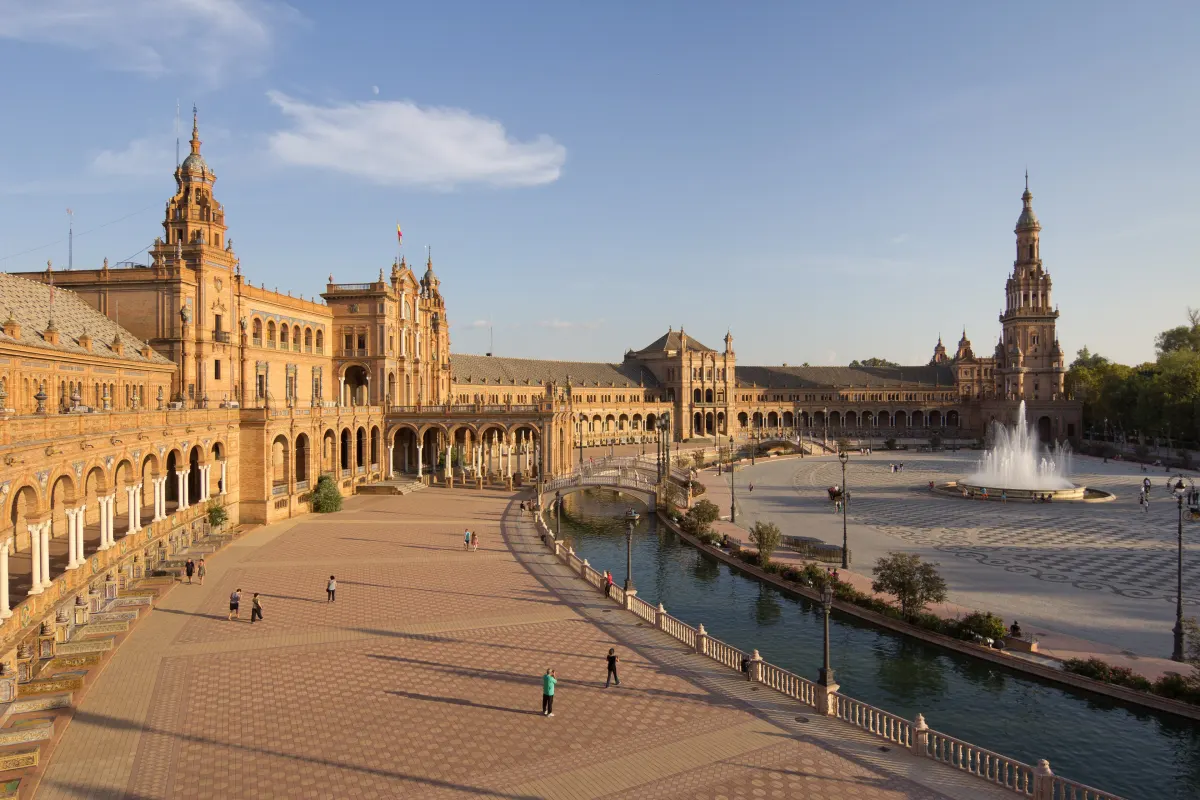
A vast semicircular plaza built for the 1929 Ibero-American Exposition, with a curving brick palace, towers, a canal crossed by bridges, and tiled al…
Days 12 and 13: Granada
About 2½ to 3 hours by train. Give the Alhambra half a day, and the Albaicín the evening, with the view from the Mirador de San Nicolás. A free tapa comes with every drink. Hikers can go up into the Sierra Nevada by bus.

Alhambra, Granada
The palace and fortress of the Nasrid sultans, the last Muslim rulers of Spain, set on a hill above Granada with the Sierra Nevada behind.

Tapas
Small dishes to share with a drink. In Granada, Jaén and León, a free tapa still comes with each drink.
Day 14: Málaga
The coach from Granada takes 1½ to 2 hours. See the Alcazaba and Gibralfaro and the Picasso Museum, and eat sardines grilled in a boat of embers on the beach. The airport train takes 15 minutes.

Alcazaba and Gibralfaro, Málaga
The Alcazaba is an 11th-century Moorish fortress-palace on the hillside above Málaga's centre, with layers of gates, courtyards, fountains and garden…

Museo Picasso Málaga
Pablo Picasso was born in Málaga in 1881, and this museum, in the 16th-century Buenavista Palace in the old town, holds more than 200 of his works, d…
With more time
- From Málaga: the Caminito del Rey (train to El Chorro, book months ahead), Ronda by coach, or Mijas. For the beach, buses go along the Costa del Sol to Marbella and its marina, Puerto Banús.
- Break the journey from Barcelona in Zaragoza, or go by Valencia, for paella and the beach.
- For green hills and sea, do northern Spain instead of the south in summer.

Comments