
Safety in Spain: pickpockets and scams, beaches and rip currents, wildfires, floods, protests and emergency numbers
Spain is a safe country, and violence against visitors is rare. Pickpockets are the likeliest trouble, above all in Barcelona. The sea, the heat and wildfires do more harm. No government advises against travel to any part of Spain: Canada asks for a high degree of caution, because of terrorism (November 2026).
Emergency numbers
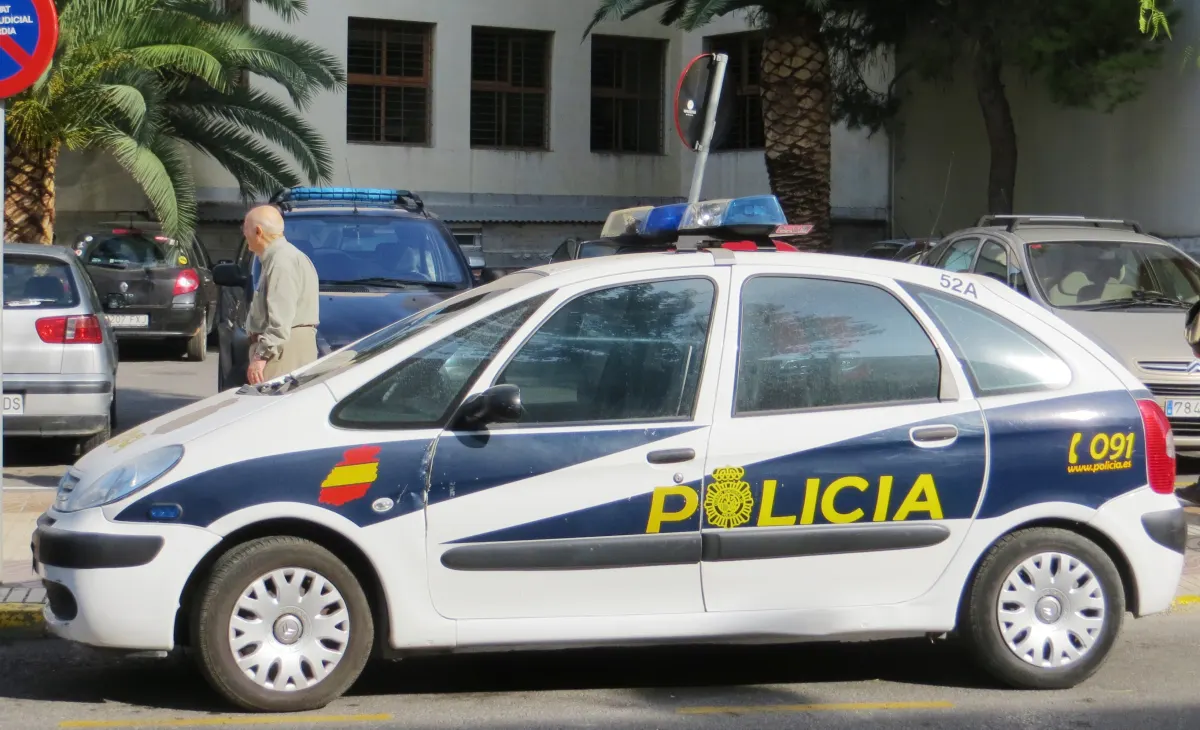
- 112 for any emergency, usually with English. Police 091, Guardia Civil (countryside) 062, sea rescue 900 202 202.
- To report a theft, go to a comisaría: you'll need the denuncia for insurance. Madrid, Málaga, Barcelona and others have tourist police desks (SATE) with English speakers.
- If your passport goes, you also need papers from your consulate. A police report won't get you home.
- Police can ask for photo ID at any time.
Pickpockets and thieves
- Barcelona: La Rambla, the Gothic Quarter and Boqueria, the metro, the Sagrada Família, Park Güell, the airport and the beach. Madrid: Sol, Gran Vía, the Rastro market, Atocha and the metro. Also Seville's and Valencia's old centres, Palma, and bus stations.
- They work in teams: one spills, asks, hugs or drops something, the other takes. Walk on.
- Phone and wallet in a front pocket or zipped bag. Nothing on the café table, no bag on the chair back, and nothing left on the sand while you swim.
- Take special care with luggage at hotel desks, car hire counters, airport trains and when the train doors are closing.
- Watches and phones are sometimes snatched in Barcelona. Leave good ones at home.
Scams
- Rosemary pressed into your hand by the cathedrals of Granada, Seville and Córdoba, then a demand for money. Petitions, card tricks, and bird mess on your coat.
- Fake police who want to check your wallet. Real officers ask for ID, never for money or purses.
- Cars: someone who points out a puncture. See Driving.
- Fake holiday lets: never pay by bank transfer outside the booking site.
- Lookalike ticket sites for the Alhambra and others: see Sights.
- Watch your drink: spiking happens in bars and clubs.
Terrorism, protests and strikes
- Spain's alert is level 4 of 5. The UK says attacks are likely. Stay alert in crowds and report anything odd.
- Demonstrations are common and mostly peaceful. Keep clear of any that turn, particularly in Barcelona and Madrid. There's a general election on 29 November 2026.
- Trains: 2026 had two terrible high-speed accidents, at Adamuz in January (46 dead) and Urda in October (69 dead). The Madrid to Andalusia line is closed and there have been strikes: see Getting around.
The sea
- Hundreds of people drown in Spain every year, and 2026's June was among the worst on record.
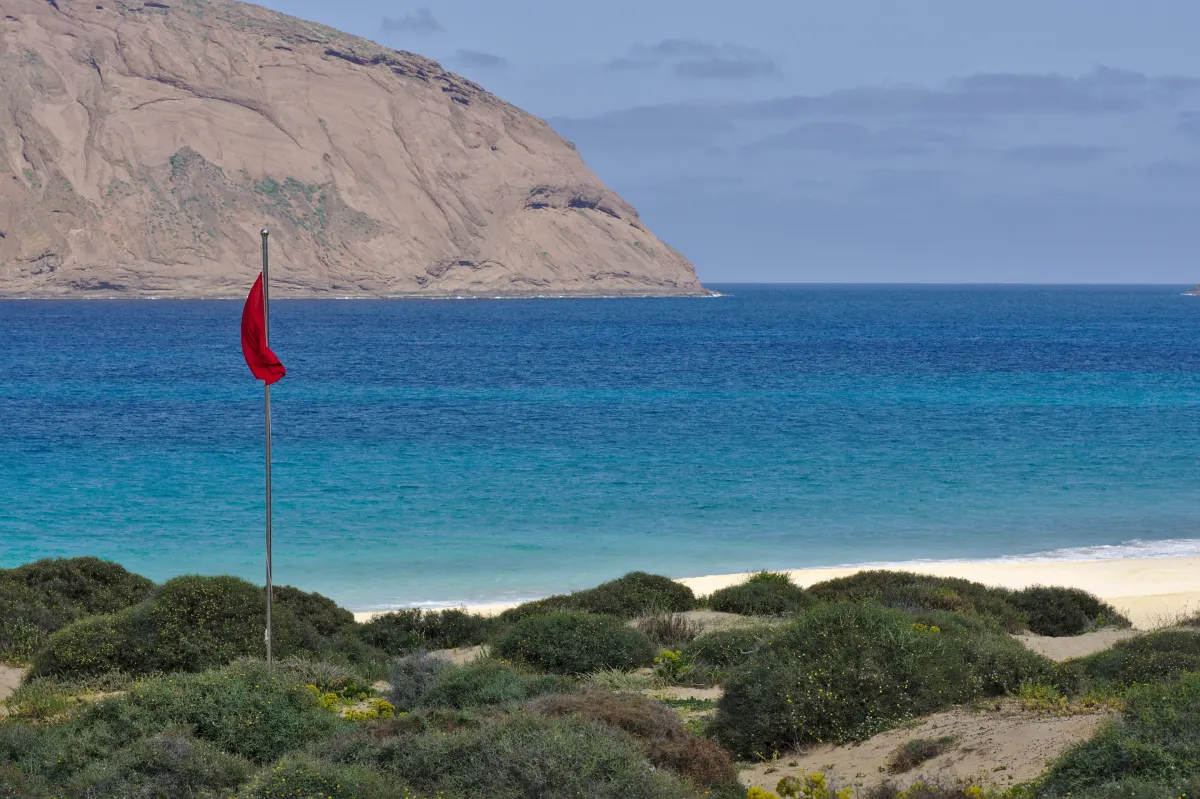
- Green flag: fine. Yellow: take care, don't go deep. Red: stay out. Swimming under a red flag can be fined, up to €1,500 in some places.
- Rip currents are strongest on the Atlantic side: Galicia, Asturias, the Basque Country, Cádiz and the Canaries. They're there on calm, sunny days. If one takes you, float, signal, and swim along the shore.
- In the Canaries, don't go near the edge of rock pools or piers in a swell: waves have swept people away.
- Never dive into water you don't know. Wear a whistle and a float if you swim far. Jellyfish: rinse with sea water.
- Don't climb or jump between balconies. People die doing it, hotels evict for it, and insurance won't pay.
Mountains
- Storms build after lunch in the Pyrenees and Picos de Europa, where fog comes fast. Start early, and carry water, a layer and a map that works offline.
- The Cares gorge path has long drops and no rail. The old Caminito del Rey is safe now, with helmets.
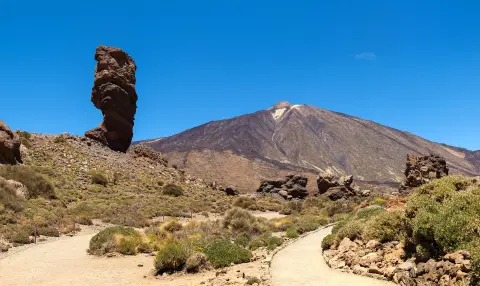
- Teide is 3,715 m: see Health.
- In Catalonia and some other regions you can be billed for a rescue if you were reckless.
Wildfires
- 2026 was one of Spain's worst fire years: more than 260,000 hectares had burned by late August, in Ávila, Madrid, Guadalajara, Castellón, Huelva and Almería above all, and people died.
- From June to October, check the AEMET fire risk map. Parks and trails are closed at the highest level.
- Never light fires or barbecues outdoors, or throw away cigarettes or glass. Causing a fire, even by accident, is a crime. If you see smoke, ring 112 and leave.
Floods, storms and earthquakes
- From September to November a DANA can drop a year's rain on the Mediterranean coast in hours. The floods near Valencia in October 2024 killed more than 220 people. In a red warning stay put and go upstairs. Never drive through water or go down to move a car from a garage.
- Small earthquakes are normal in Granada and Murcia. Tremors up to 4.8 in August 2026 closed parts of the Alhambra for weeks.
- The Canaries are volcanic. The last eruption was on La Palma in 2021, outside the Caldera de Taburiente. Activity is watched closely.
Laws
- Drugs: having any in public is an offence, and smuggling means prison. Cannabis clubs aren't coffee shops: touts outside them sell trouble.
- Drinking in the street, beachwear in town and buying fakes can all be fined: see Culture and etiquette.
Spain is one of the easiest countries in Europe for LGBT+ travellers. Read your own government's advice before you go.

Comments