
Where to stay in Spain: paradores, hostales, rural houses and tourist flats, and the tourist tax
Spain has rooms for every budget, and the family-run places are often the best value. Look at the tourist tax and, if you want a flat, check that it's legal.
Kinds of place
- Hotel: one to five stars. Hostal: a simple, usually family-run small hotel with private rooms, not a hostel. Pensión: simpler again. Albergue or "hostel": dormitories.
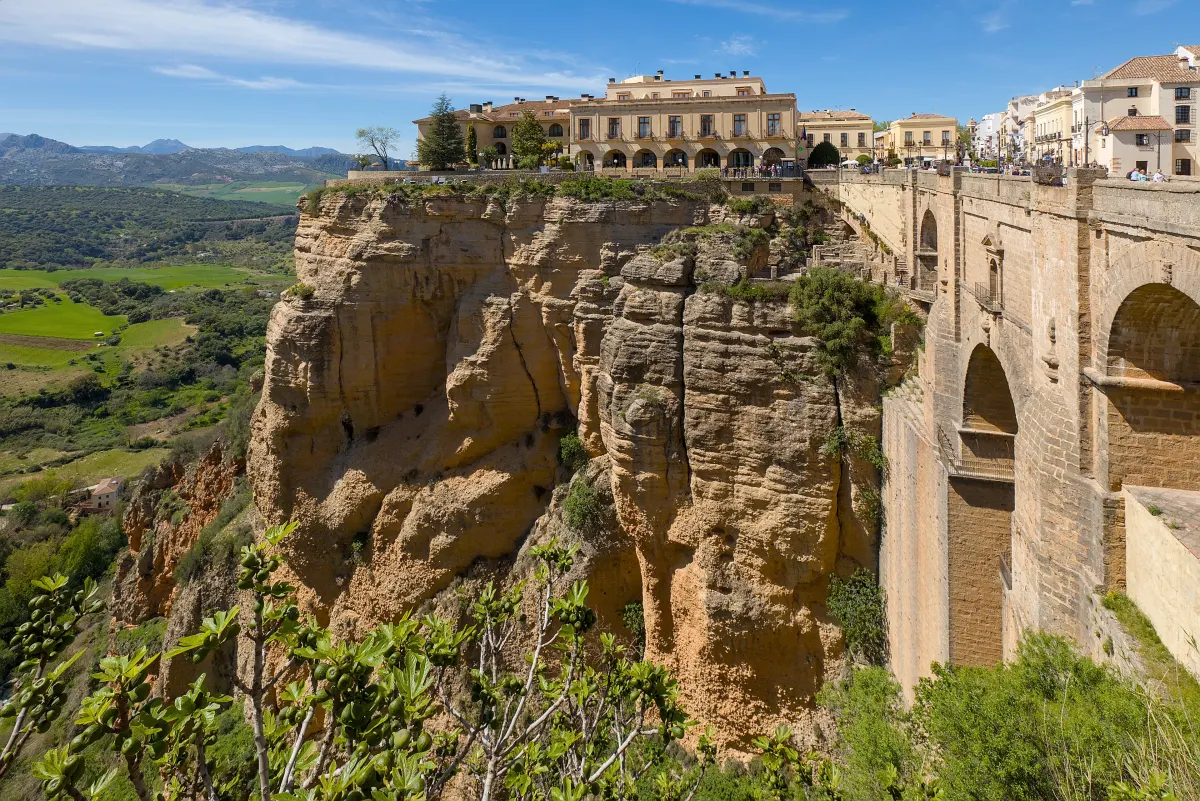
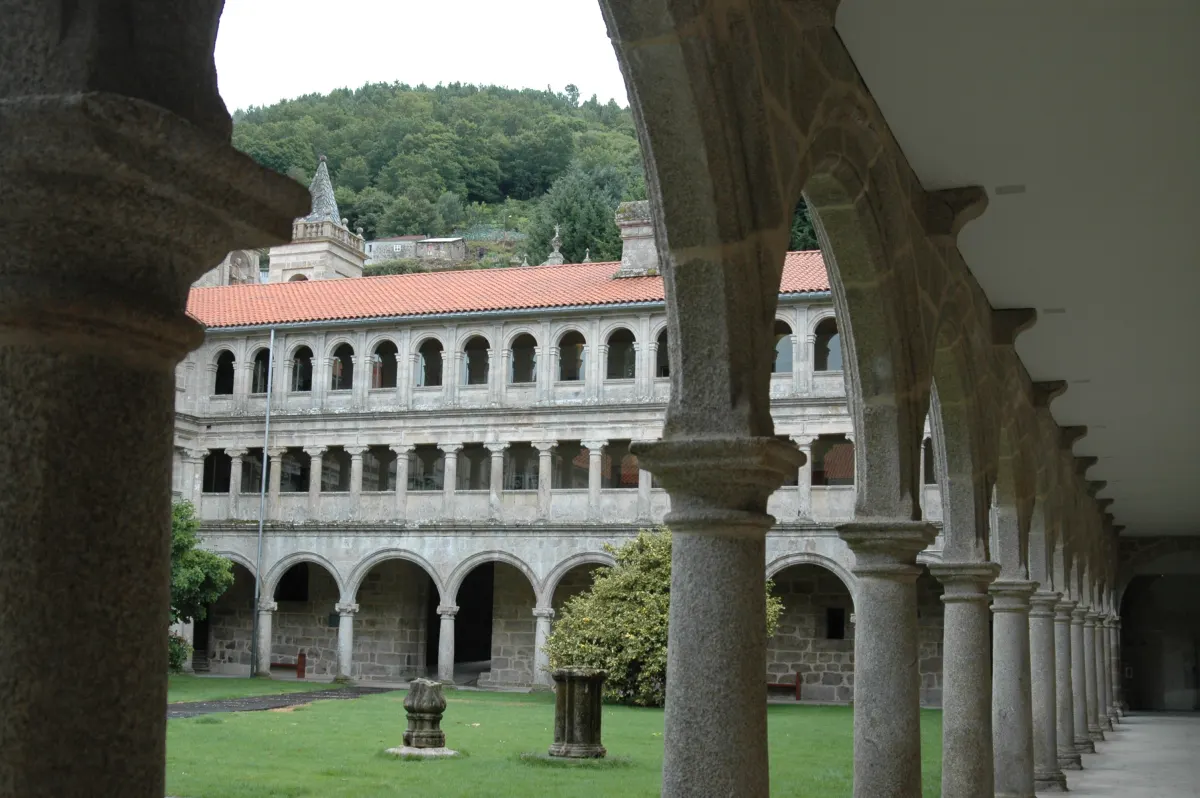
- Paradores: about 100 state-run hotels, many in castles, convents and palaces, at Granada (inside the Alhambra), Santiago, Ronda, Cuenca, Teruel and Fuente Dé. Book direct for offers, and go for a drink if you can't stay.
- Casa rural: a country house, by the room or whole. Good in Asturias, Cantabria, Navarre and inland Andalusia.
- Refugios: mountain huts in the Pyrenees and Picos. Book for summer.
- Pilgrim hostels on the Camino: see walking from Sarria.
- Cave houses at Guadix and Sacromonte: cool in summer.
Before you book
- Air conditioning matters from June to September, and heating in Granada and the centre in winter.
- Rooms on a lively street are noisy until 2 am. Ask for an interior room.
- A double bed is cama de matrimonio; two singles may be pushed together.
- Book months ahead for Easter in Andalusia, the San Fermín week, the coast in August, and Cádiz and Málaga for the 2 August 2027 eclipse.
- In Barcelona, the Eixample and Gràcia are calmer than the Gothic Quarter. In Madrid, stay in Letras, Chamberí or near Retiro. In Seville, Triana or the edge of Santa Cruz.
Passports and registration
The law makes hotels, rentals, campsites and car hire firms record every guest's passport and contact details and send them to the Interior Ministry. Expect to be asked online before you come, or at the desk. Wait while they copy it, and don't leave it behind.
Tourist flats
- A legal one has a regional registration number, which must be in the advert: HUT- in Catalonia, VFT or VUT in Andalusia, ETV in the Balearics, VV in the Canaries. No number, don't book: it may be closed before you arrive.
- Barcelona will end all its roughly 10,000 tourist flat licences in November 2028. Palma doesn't allow them in blocks of flats. Madrid, Málaga, Seville, Valencia and others have stopped or limited new ones.
- Pay through the booking site. A "landlord" who wants a bank transfer is usually a fraud.
Tourist tax
You usually pay it at the hotel, per person and night. Most of Spain, including Madrid, Andalusia and Valencia, had none in November 2026, and the Canaries had no tax covering the whole region.
- Barcelona (since April 2026): about €12 in five-star hotels, €9.50 in tourist flats, €8.40 in four-star hotels, €7 in other hotels and €6 in youth hostels. It's charged for up to 7 nights and not to under-17s, and goes up again in April 2027.
- The rest of Catalonia: €0.80 to €4.50. Since October 2026 towns may add up to €4.
- Balearics: €1 to €4 from 1 May to 31 October, and a quarter of that in winter. Half price from the ninth night. Under-16s are free.
- Galicia: Santiago and A Coruña, €1 to €2.50; Vigo, €0.80 to €2 since October 2026. Up to five nights in Santiago, and not for minors.
- Basque Country: a new tax is due from 1 January 2027, at rates set by each province and city. San Sebastián's is the highest, at several euros a night in top hotels and flats.
VAT may be added. Rates change, so see what your booking says.
Camping
There are plenty of good campsites on the coasts and in the mountains. Wild camping is banned in most places, and fires everywhere in summer. A camper van may usually park overnight where cars may, if you don't put out awnings or chairs, but many coast towns forbid it: look for signs.
See also apartments in Barcelona, Money and When to go.


Comments