
Health and insurance in France: pharmacies, doctors, hospitals, mosquitoes, ticks and heat
Health care in France is excellent, and pharmacists are helpful for small problems. You'll usually be charged and then claim the money back, so travel with insurance.
Insurance
- EU, Swiss, Norwegian and Icelandic visitors should carry a European Health Insurance Card (EHIC), and British visitors a GHIC. Both give you state care on the same terms as French people: not always free, and not for private care or getting you home.
- Everyone else needs travel insurance, including for rescue and repatriation. Border officers can ask for it.
- For skiing and mountains, make sure it covers piste rescue, helicopter and off-piste. Resorts sell daily insurance, such as Carré Neige, with the lift pass.
- Keep receipts and the treatment form (feuille de soins).
Pharmacies
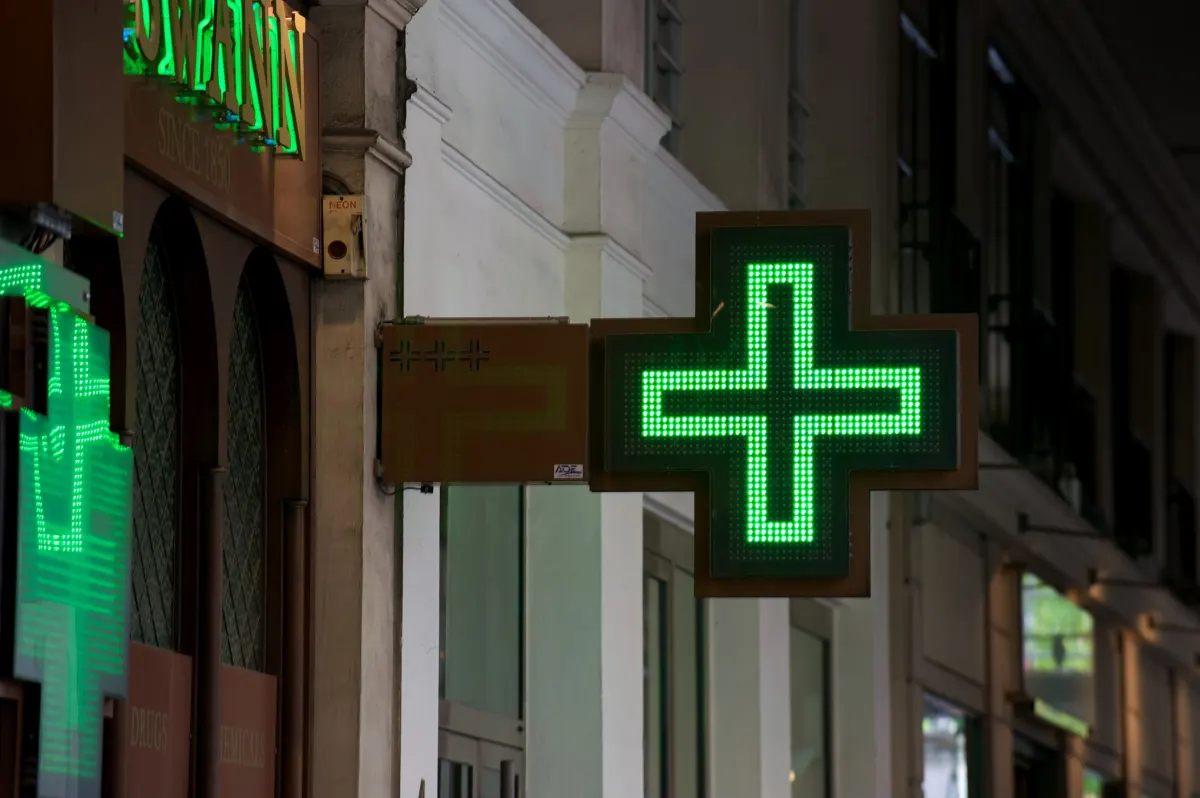
- Look for a green cross. Pharmacists advise on minor ailments, and many medicines that are on a supermarket shelf elsewhere, such as paracetamol, are sold only here.
- They usually open from 9 am to 7 or 7.30 pm, closed on Sunday and often at lunch. A notice on the door lists the pharmacie de garde on duty at night and on Sundays; or call 3237, which is a paid call.
- Bring your own prescriptions, with the generic name. A foreign prescription may be accepted, but it's not certain. For the rules on bringing medicines, see Arriving.
Doctors
- A visit to a GP in the state scheme costs about €30, and some doctors charge more. Pay at the visit, and claim it back.
- Book on Doctolib (website or app, often in English), or ask your hotel. For home visits at night, ask for SOS Médecins in the big cities.
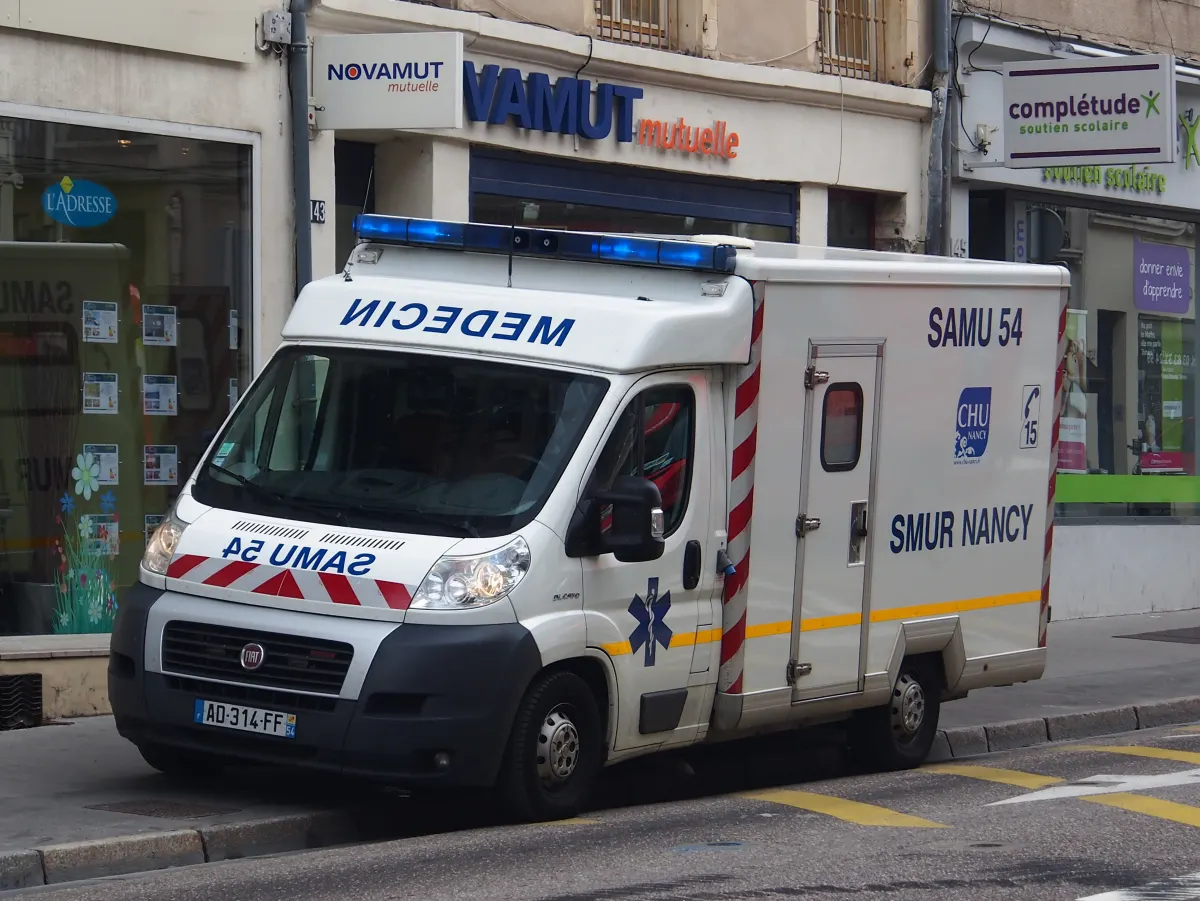
- In the country, waits can be long. Ring 15 for advice in an emergency; a doctor answers.
Hospitals
- For an emergency call 15 or 112, or go to les urgences. Nobody in danger will be turned away. The bill comes later: your insurer should pay it directly for an overnight stay, so call them early.
- In Savoie and Haute-Savoie you may be taken to Geneva, in Switzerland, which costs more.
Food and water
Tap water is safe everywhere, unless there's a sign saying eau non potable. Paris's fountains, including the green Wallace ones, are drinking water. Raw oysters, steak tartare and unpasteurised cheese are traditional; avoid them if you're pregnant or have a weak immune system.
Mosquitoes
- The tiger mosquito has spread through most of France, and passes on chikungunya and dengue. In 2025 there were over 800 locally caught chikungunya cases. In 2026 there were far fewer by late August, about 33, and five of dengue, mostly in the south but also near Paris.
- There's no need to avoid travel. Use repellent, cover up, and see a doctor if you have a fever within two weeks of coming home.
Ticks
Ticks in grass and woodland, from spring to autumn, can carry Lyme disease, and in parts of eastern France tick-borne encephalitis. Wear long trousers, check your skin after walks, and pull ticks out with tweezers. See a doctor if a spreading red ring appears.
Heat and sun
- Heatwaves of 35 to 40°C are now common, above all in June to August, and most older buildings have no air conditioning. Choose a room with it. Drink, keep shutters closed by day, and visit in the morning; Paris opens cool rooms and late-night parks. Some sights close early in a heatwave.
- Follow the Météo-France warnings: orange means be careful, and red means danger.
Other things
- Vaccines: check with your doctor. Those for routine diseases, including measles, should be up to date.
- Altitude: the Aiguille du Midi at 3,842 m can make you dizzy. Go up slowly, and don't stay long if you're ill, pregnant or with a small child.
- Tobacco and alcohol fall under the rules for public places. Emergency contraception is sold at pharmacies without a prescription.
Comments
No comments yet.