
Culture and etiquette in France: bonjour, strikes, Sundays, August closures and public holidays
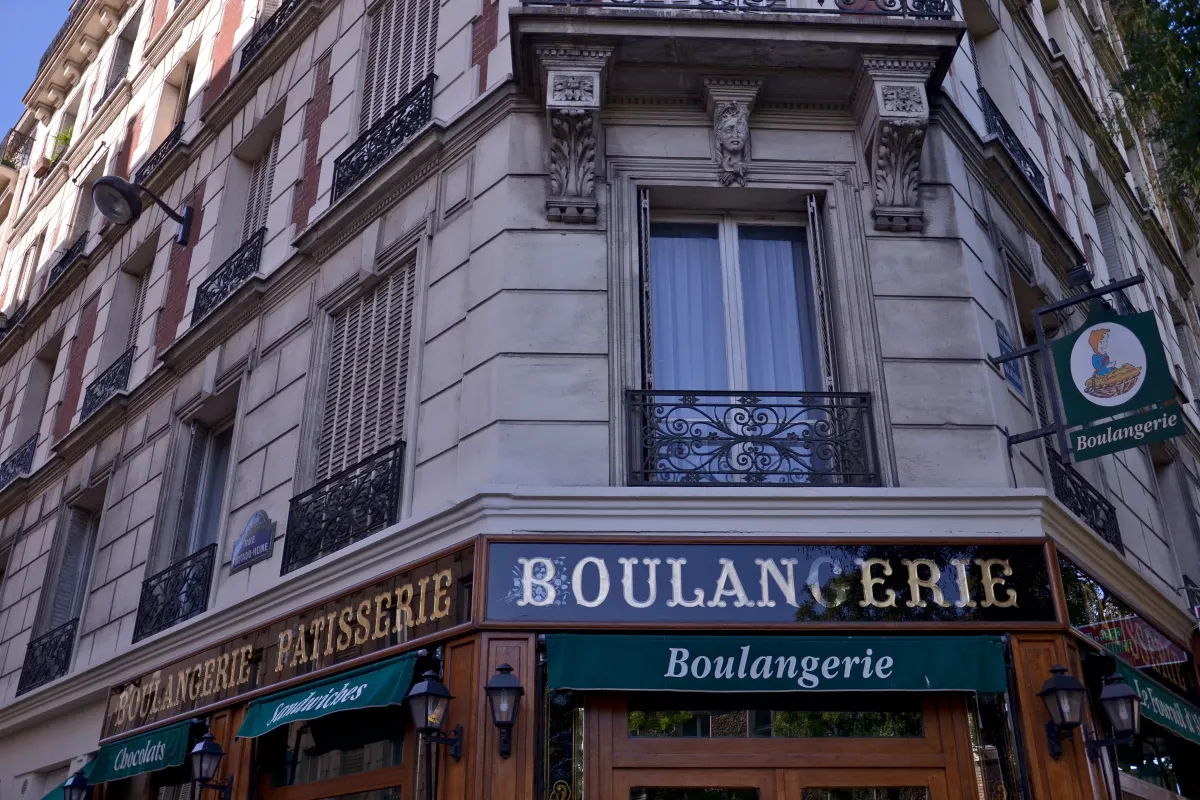
People in France are friendlier than their reputation, if you start the right way. Say bonjour before anything else, learn a few words, and plan for days when shops and trains stop.
Bonjour first
- Say bonjour (or bonsoir in the evening) when you walk into a shop, café or hotel, get on a bus, or ask anyone for anything. Going straight to a question is thought rude, and you'll often be met with a cool stare. Say au revoir and merci as you leave.
- Add monsieur or madame: Bonjour, madame. Use vous with anyone you don't know well, and tu with friends and children.
- Friends greet with la bise, a kiss on each cheek; with others, shake hands. Wait for the other person to start.
- Ask Parlez-vous anglais? before speaking English. A few words of French, even badly, go a long way.
- Voices are lower than in some countries, and people don't eat while walking much. In a restaurant, keep your hands on the table, not in your lap, and don't ask for changes to a dish.
- Shops aren't self-service at markets and small greengrocers: ask before you touch.
Sundays, Mondays and lunch
- Outside big cities, most shops close on Sunday and many on Monday. Small shops also close for two hours at lunch, from about 12.30 to 2 or 2.30 pm. Supermarkets are often open on Sunday mornings until about 1 pm.
- Tourist districts and Paris's department stores are open on Sundays. Museums usually close on Monday or Tuesday: see Museums and sights.
- Buy fuel and food on Saturday if you're heading into the country.
- Bakeries and pharmacies post the name of the one that's open.
August and school holidays
Many French people take their holiday in August, above all the first three weeks. In the cities some restaurants and shops close, and it's quieter, hotter and sometimes cheaper. At the coast, in the mountains and on the roads, it's the reverse. See When to go.
Public holidays in 2027
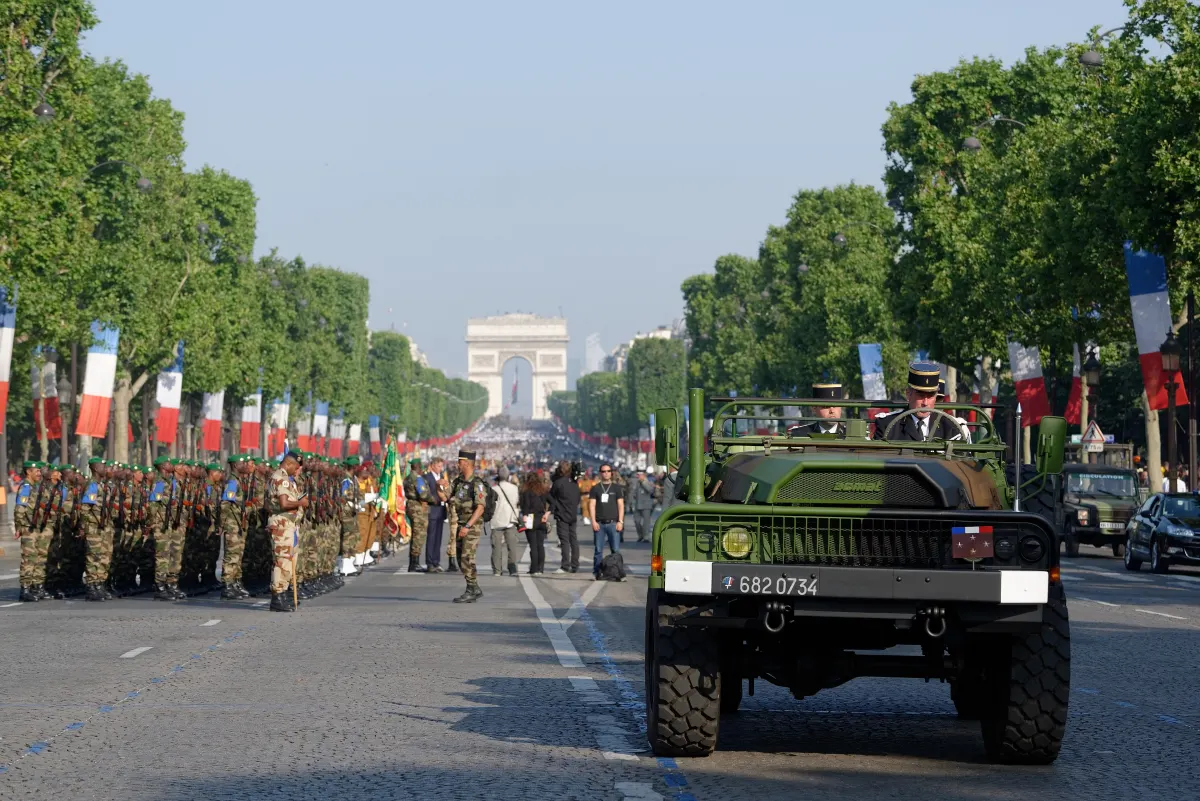
On these days banks, many shops and some sights close, and trains and roads are busy: 1 January; Easter Monday, 29 March; 1 May (Labour Day, the most closed day of the year); 8 May; Ascension Day, Thursday 6 May; Whit Monday, 17 May; 14 July (Bastille Day); 15 August; 1 November; 11 November; and 25 December. Alsace and Moselle also have Good Friday (26 March) and 26 December. When a holiday is on a Thursday or Tuesday, many people take the day between as well (faire le pont): the Ascension weekend, 5 to 9 May, is a big one.
Strikes
- Strikes (grèves) are part of life, and most often affect trains, the Paris metro, air traffic control, schools and museums. Unions must give notice, so you'll know a day or more ahead. Operators publish what will run by about 5 pm the day before: check SNCF Connect, the RATP and your airline.
- On a strike day some trains still run. If yours is cancelled, SNCF refunds it or changes it free. Keep a spare day before a flight home if a strike is called.
- Marches, road blocks and go-slows by farmers and lorry drivers often go with them. Don't drive near a blockade, and fill up the tank beforehand.
- Autumn 2026 brought large demonstrations: see Safety.
Rules to know
- Smoking has been banned since July 2025 in parks and gardens, on beaches, at bus shelters and near schools, pools and stadiums, with fines of €135. Café terraces are exempt.
- Covering your face in public is illegal, except for health or sport, with fines up to €150.
- Carry ID: the police can ask you to prove who you are. A photo of your passport helps, but they can ask for the original within a few hours.
- Drones are banned over Paris and over people and many sites: check the official map.
- Don't photograph police, soldiers or security checks close up, and ask before taking pictures of people, especially children.
- In churches, cover shoulders and knees if you can, speak quietly and don't visit during Mass.
- Toilets in stations and some streets cost about €1; ask a café politely and buy a coffee.
Useful words
S'il vous plaît please; merci thank you; excusez-moi excuse me; pardon sorry; où est...? where is...?; c'est combien? how much?; je ne comprends pas I don't understand; au secours! help!

Comments
No comments yet.