
Food and drink in France: mealtimes, menus, bakeries, markets, cheese and wine
Food is one of the best reasons to visit France, and it needn't be expensive. The main thing to know is that kitchens keep fixed hours: turn up at 3 pm and you may get only a sandwich.
Mealtimes
- Lunch is usually 12 to 2 pm, and dinner from 7 or 7.30 pm to about 9.30 pm, a little later in Paris and the south. In villages, last orders can be earlier.
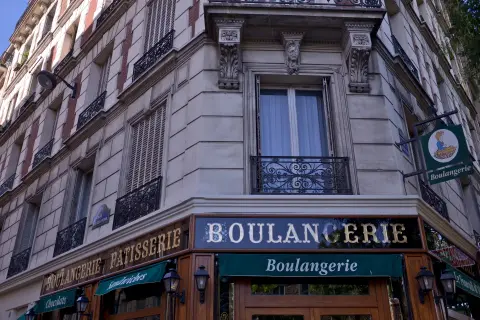
- For food at any time, look for service continu: brasseries, and cafés in cities. Boulangeries do sandwiches, quiches and pastries all day.
- Many restaurants close on Sunday evening and Monday, and some for weeks in August. Check, and book for Friday and Saturday dinners and anywhere well known. You can do it by phone, website or an app such as TheFork.
Reading the menu
- La carte is the menu; le menu is a set meal. A formule is a set of two courses, and the plat du jour is the dish of the day. Weekday lunches are the bargain.
- An entrée is the starter, and le plat is the main course.
- Steak is ordered bleu (barely cooked), saignant (rare), à point (pink) or bien cuit (well done). The French eat it rarer than you may expect.
- Fait maison means made on the spot, and bistronomie is good modern cooking in a relaxed room.
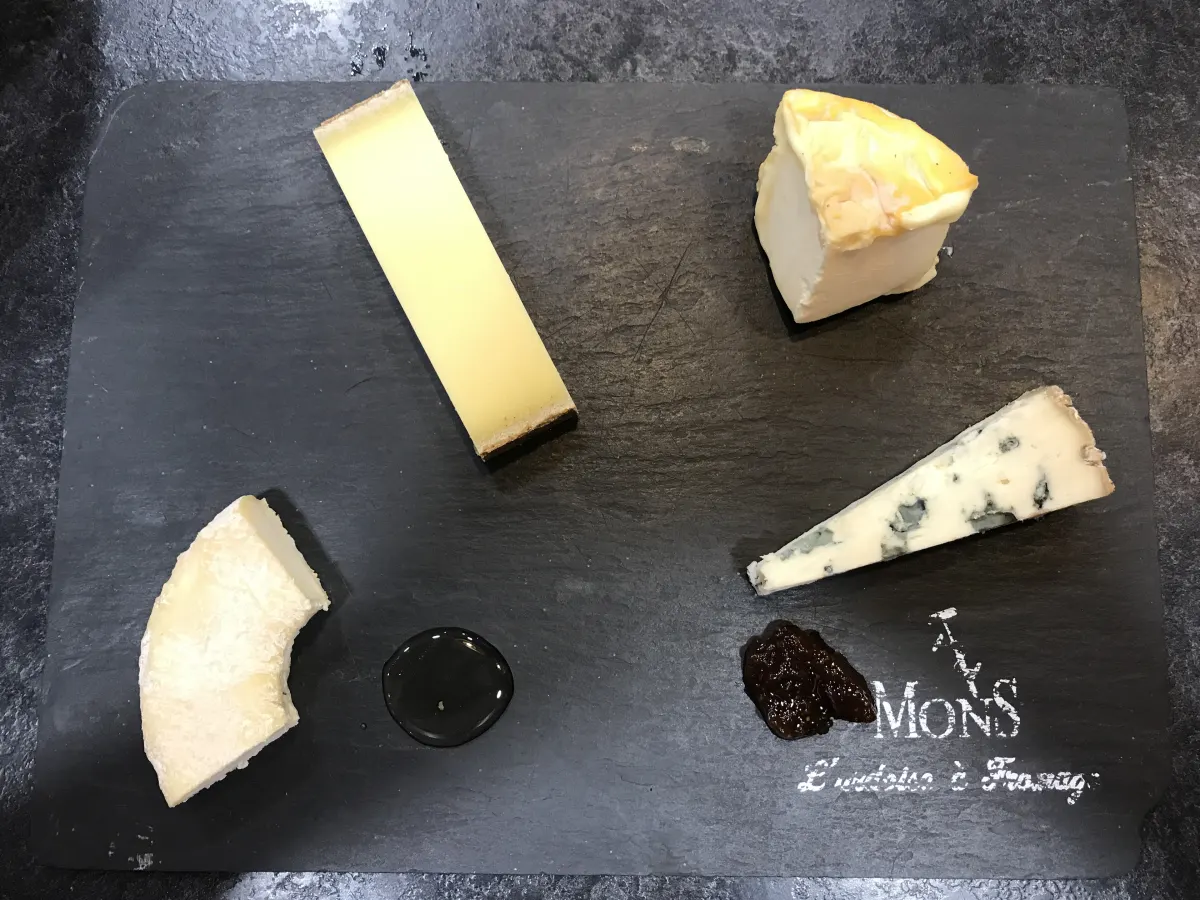
- Cheese comes before dessert, or instead of it. Cut soft cheese so that you don't take off the point.
- Ask for the bill with l'addition, s'il vous plaît: it won't come until you do. Service is included; see Money.
At the café
- Un café is an espresso; un allongé is longer; une noisette has a dash of milk; un crème is like a small latte. Milky coffee is a morning drink.
- At the counter you pay less than at a table, and the terrace costs the most.
- Tap water (une carafe d'eau) is free with a meal.
Bakeries and markets
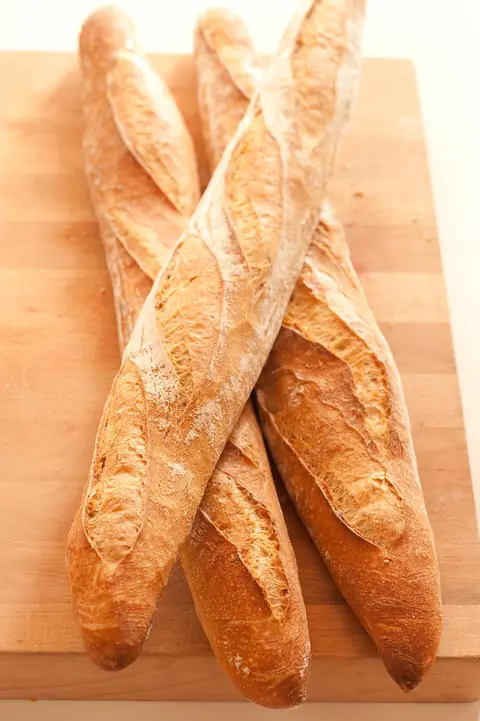
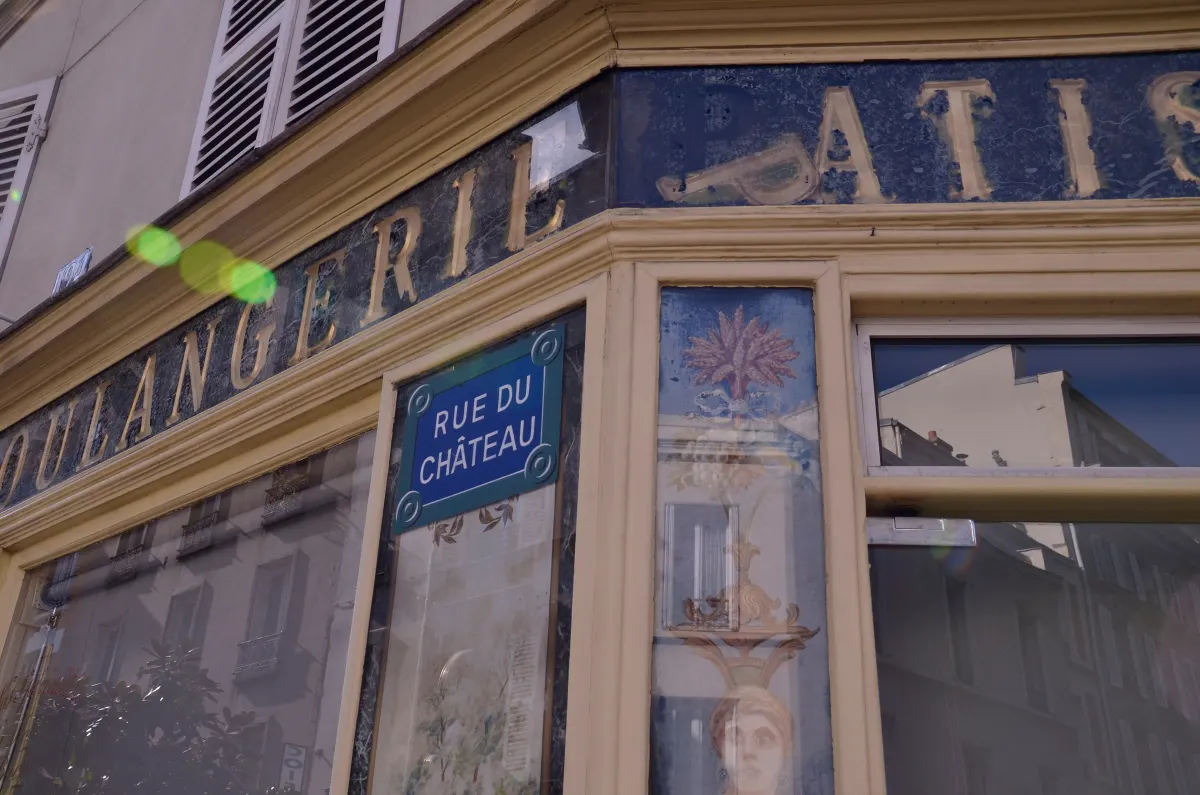
Buy a baguette tradition rather than an ordinary baguette, and eat it the same day. Croissants and baguettes are best in the morning. Bakeries close one day a week, so look for the next one. Every town has a morning market, such as the Marché Bastille in Paris: go between 8 and noon, and let the stallholder choose and bag the fruit.
Croissants and baguettes
Buy a fresh baguette, a 'tradition', and buttery croissants and pains au chocolat from the local boulangerie in the morning.

Marché Bastille, Paris
One of the biggest and best open-air food markets in Paris, stretching along the central strip of Boulevard Richard-Lenoir from the Place de la Basti…
Macarons, Paris
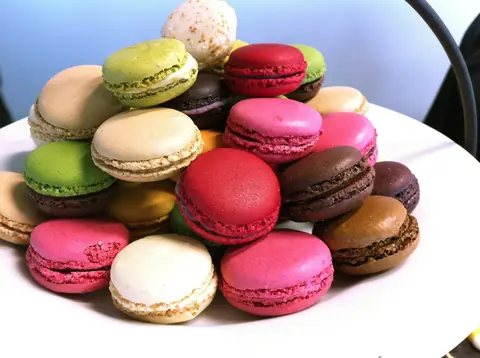
Delicate almond meringue biscuits with a creamy filling, in many colours and flavours.
Dishes to look for
- Paris: steak frites, onion soup and macarons.
- Brittany and Normandy: buckwheat galettes and crêpes, oysters, mussels, cider, calvados and cheese: camembert, livarot and pont-l'évêque.
- Alsace: choucroute garnie, flammekueche (a thin tart of cream, onion and bacon), and white wine.
- Burgundy: boeuf bourguignon, coq au vin and snails.
- Lyon: the bouchons, homely restaurants serving quenelles, sausages and praline tart.
- Provence and the Riviera: bouillabaisse in Marseille, ratatouille, socca (a chickpea pancake) and salade niçoise.
- South-west: cassoulet, duck confit and foie gras, which some visitors choose to avoid.
- The Alps: fondue, raclette and tartiflette.
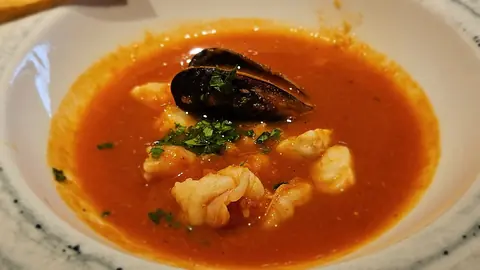
Bouillabaisse, Marseille
Marseille's fish stew of rockfish and seafood in a saffron broth, served with rouille and croutons, then the fish separately.
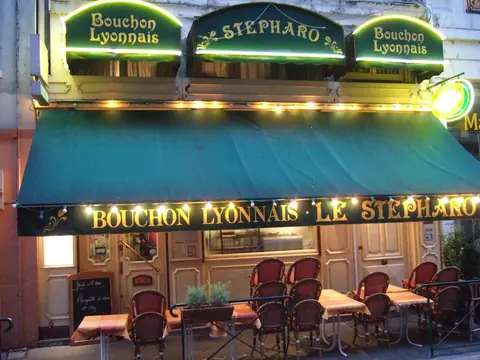
Lyon's bouchons
Lyon, France's food capital, has small traditional restaurants serving hearty dishes: quenelles, andouillette, salade lyonnaise and praline tart.
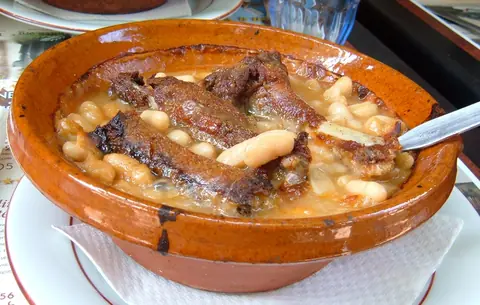
Cassoulet
A slow-cooked bean stew with duck confit, pork and Toulouse sausage, baked in an earthenware pot, from the Languedoc.
Wine, cider and apéritifs
- Wine is sold by the verre (glass), pichet (jug) or bottle. A jug of the house wine is often fine. The great wine regions include Bordeaux, Burgundy, the Loire, the Rhône, Alsace, Provence (rosé) and Champagne.
- Tasting: smaller domaines welcome visitors, though some want you to book, and buying a bottle or two is polite. In Reims and Épernay, book the cellar tours. In Saint-Émilion and Beaune, there are tastings in the town. You can also tour a cognac house.
- If you're driving, share the tasting between you, and spit. The limit is low: see Driving.
- The apéro, a drink with nibbles before dinner, is a friendly custom: a kir (white wine with blackcurrant), pastis in the south, or a glass of champagne. Say santé and look people in the eye.
- The legal age is 18. Drinking in the street is banned in some areas.

Reims Cathedral and the champagne houses
The Gothic cathedral where French kings were crowned for centuries, with more than 2,300 statues on its façade, including the famous 'Smiling Angel',…

Saint-Émilion village and vineyards
A medieval hilltop village of honey-coloured stone and steep cobbled lanes, surrounded by some of the world's most famous vineyards, a UNESCO World H…

Hospices de Beaune (Hôtel-Dieu)
A charity hospital founded in 1443, with a dazzling roof of coloured glazed tiles in geometric patterns over its courtyard.
Vegetarians, allergies and children
- Cities are fine for vegetarians and vegans. In the country, there may be one dish, often an omelette or salad. Say je suis végétarien(ne), and check for bacon (lardons) and meat stock.
- Restaurants must tell you about 14 main allergens. Carry a card in French: je suis allergique à...
- Children are welcome, and most restaurants have a menu enfant. High chairs aren't always there.

Comments
No comments yet.