
Money in France: cards, cash, tipping, the tax refund and how to spend less
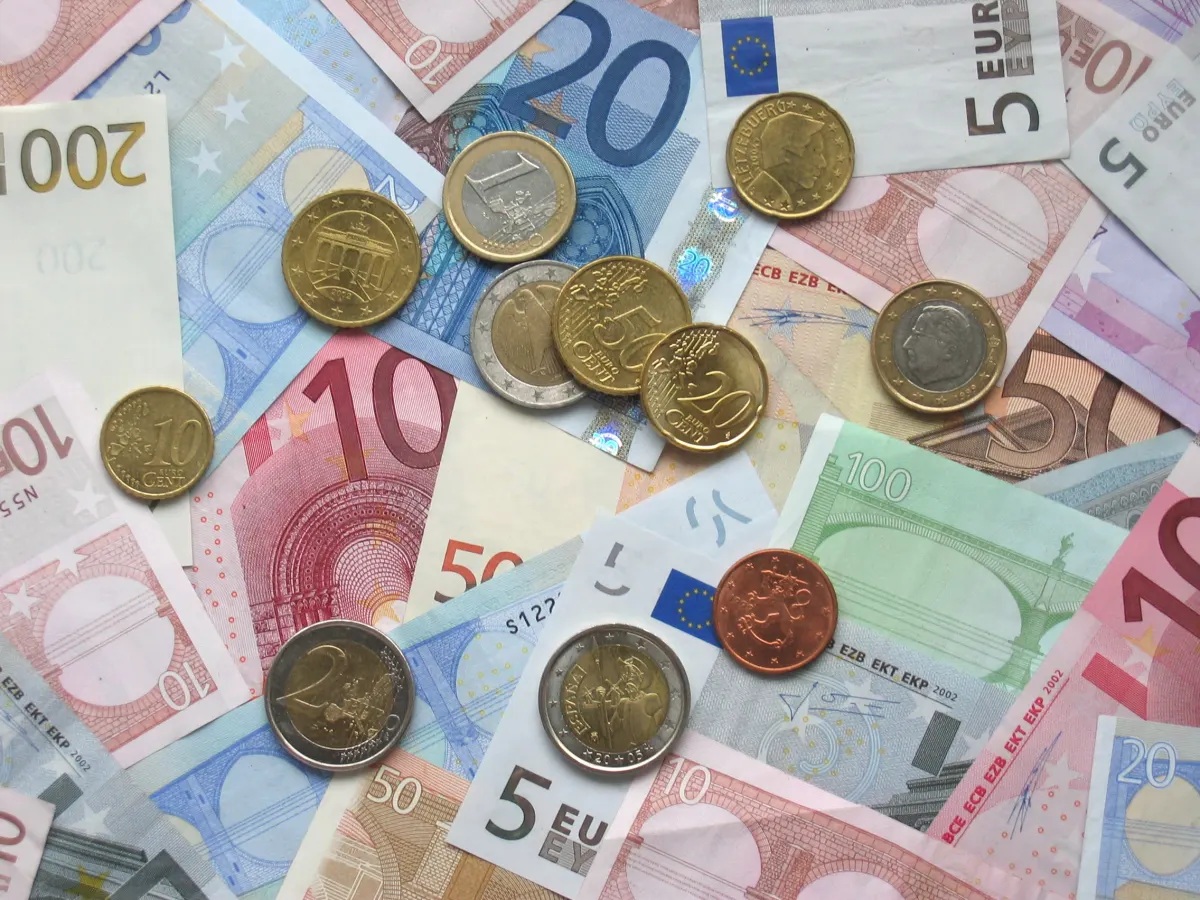
France uses the euro (€), and you can pay by card almost everywhere. It isn't cheap, but lunch menus, bakeries and markets keep costs down, and tipping is optional.
Cards and cash
- Cards and phones are taken in nearly all shops, restaurants, stations and hotels, usually contactless. Visa and Mastercard are best; American Express is often refused. A card with no foreign transaction fee saves money.
- Some small shops, market stalls and cafés set a minimum, often €5 to €10, for paying by card. Contactless bank cards have a limit of €50 per payment, then you need your PIN; phones have no limit.
- Carry some cash for markets, tips, small bakeries and rural cafés. Toilets and parking machines may want coins.
- ATMs (distributeurs) are outside banks and post offices and take foreign cards. Choose to be charged in euros, not in your own currency. Avoid the standalone machines in tourist streets, which add high fees.
- Banks often don't change foreign cash. Change a little at home or use an ATM.
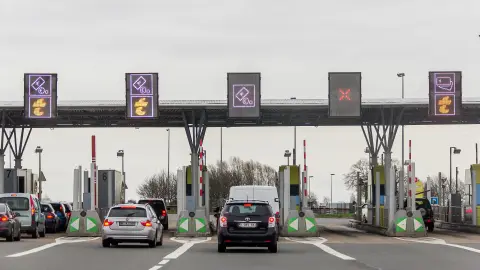
- If a machine refuses your card, try a different one, and use a machine with staff nearby at the motorway tolls.
Tipping
- Restaurant and café bills include service (service compris), by law, so waiters are paid a full wage and no tip is expected. Rounding up, or leaving a euro or two per person for good service, is welcome. For an expensive meal, 5% is generous.
- Payment machines sometimes ask for a tip before you can pay: it's normal to choose zero.
- Taxis: round up, or add a euro or two. Hotel porters: €1 to €2 a bag. Tour guides: €2 to €5 a person is kind for a good tour. Hairdressers and toilets with an attendant: a small coin.
- In bars and cafés, people leave small change. Nobody will run after you.
What things cost
Prices in Paris and on the Riviera are higher than in the rest of the country. Very roughly: an espresso at the counter €1.50 to €3, a baguette €1.20 to €1.50, a set lunch menu €16 to €25, a three-course dinner in an ordinary restaurant €30 to €50, a double room in a decent hotel €90 to €180 (more in Paris). Coffee costs less standing at the counter than sitting on the terrace.
Saving money
- Have your main meal at lunch: the menu du jour or formule (two courses, or three with wine) costs far less than the same food at dinner. See Food and drink.
- Ask for une carafe d'eau: tap water is free with a meal, and so is bread.
- Picnics from the market, bakery and supermarket cost very little.
- National museums and monuments are free for under-18s, and for EU citizens under 26. Many are free on the first Sunday of the month in winter. See Museums and sights.
- Book trains early, and take regional trains and buses in short hops. See Getting around.
- Ask in tourist offices for a city pass, but add up whether you'd use it.
The tax refund (détaxe)
- If you live outside the EU, are 16 or over and are staying less than six months, you can get part of the VAT (20%) back on things you buy to take home, if you spend more than €100 in one shop. British visitors count as outside the EU.
- Not every shop takes part, so ask Vous faites la détaxe? before you pay, and show your passport. You get a form with a barcode.
- At the airport, before you check in your bags, scan the barcode at a PABLO terminal. "OK" is the same as a customs stamp. If it says no, see the customs officer with the goods and receipts. If you leave from another EU country, get the form stamped at customs there.
- The shop's refund company pays you back to your card or in cash, less its fee, so you get about 10 to 12% rather than 20%.
- It covers goods, not hotels, meals or train tickets. Food, wine and medicines have lower VAT rates.
Bargaining and receipts
- You don't bargain in shops or markets, except at flea markets.
- Receipts aren't printed automatically, so ask if you want one (le ticket, s'il vous plaît).
- Shops have sales (soldes) in January to February and June to July.

Comments
No comments yet.