
Safety in France: pickpockets, scams, protests, terrorism, and staying safe in the sea and mountains
France is safe for most visitors, and violent crime against tourists is rare. The real problems are theft, occasional disorder at demonstrations, and the sea and mountains. Governments don't advise against travel to France, but the US asks for increased caution, and Canada a high degree of caution.
The demonstrations since autumn 2026
- Large demonstrations have taken place across the country since late September 2026, over the cost of living and public spending, with strikes and some looting, vandalism and clashes with police. There have been tear gas and, in parts of central Paris, night curfews. The biggest strike day, 5 November, closed 25 metro stations and the Eiffel Tower.
- The unrest is confined to certain days and places, mostly the route of a march and the streets around it. Further demonstrations are expected, possibly into 2027.
- Avoid marches and crowds, and move away if one forms. Watch the news and your embassy's alerts, check your hotel's area, follow police orders and any curfew, and keep some slack in your plans. Expect closed metro stations.
- Police may use tear gas without much warning. Don't stop to film.
Check your government's advice again before you travel: this is changing from week to week.
Pickpockets and phone thieves
- They work in groups, often with children, in crowds: the Paris metro and RER B to Charles de Gaulle, the Louvre, the Eiffel Tower, Sacré-Cœur, the Champs-Élysées, Gare du Nord, and Nice and Marseille's trams and stations. Trains between Paris and London, Brussels and Amsterdam are also targeted.
- Use a zipped bag across your body, in front, and don't keep anything in a back pocket. Keep your phone off the café table, and don't use it near the doors as the train is leaving: thieves snatch and jump off.
- Don't put everything in one place, and leave your passport in the hotel safe if you can, with a photo on your phone.
- In a station, be wary of anyone who "helps" at the ticket machine. Cover your PIN.
Scams
- The bracelet tied on your wrist at Sacré-Cœur: keep walking, hands in pockets.
- The petition, usually by young women pretending to be deaf: you're asked for a signature and a "donation" while someone else takes your wallet.
- The gold ring, "found" on the ground and offered to you; the shell game (three cups), which nobody but the players wins.
- Fake tickets and "skip-the-line" sellers. Buy from official websites.
- Illegal taxis in the airports and at Gare du Nord: use the rank.
- Car tricks: people pointing at your tyre, or causing a small bump, to make you stop. Drive on to somewhere busy.
- Dating and drink scams around Pigalle: bars with no price list and a huge bill.
Other crime
- Cars are broken into at beaches, viewpoints and rest areas, and bags are snatched through open windows at red lights in the south. Keep the doors locked.
- At night, take care around Gare du Nord, Stalingrad and Barbès, Châtelet-Les Halles, and the RER B and D. There have been assaults on them. Sit near other people or take a taxi.
- Drinks: keep yours in sight. Spiking happens, and the police and hospital can test for it if you act within hours.
- The suburbs with a poor reputation are rarely on a visitor's route; the Versailles and Disney lines are fine. Saint-Denis's basilica is worth seeing by day.
- If you're robbed, report it at a commissariat or gendarmerie, as your insurer needs the report. You can start it online in French.
Terrorism
Attacks have happened in France, and more are likely. Armed soldiers and police patrol stations and tourist sights. There are bag checks at museums, shops and stadiums. Stay alert, tell staff about unattended bags and follow the police. If you get an FR-Alert message on your phone, do what it says: see Phones.
The sea
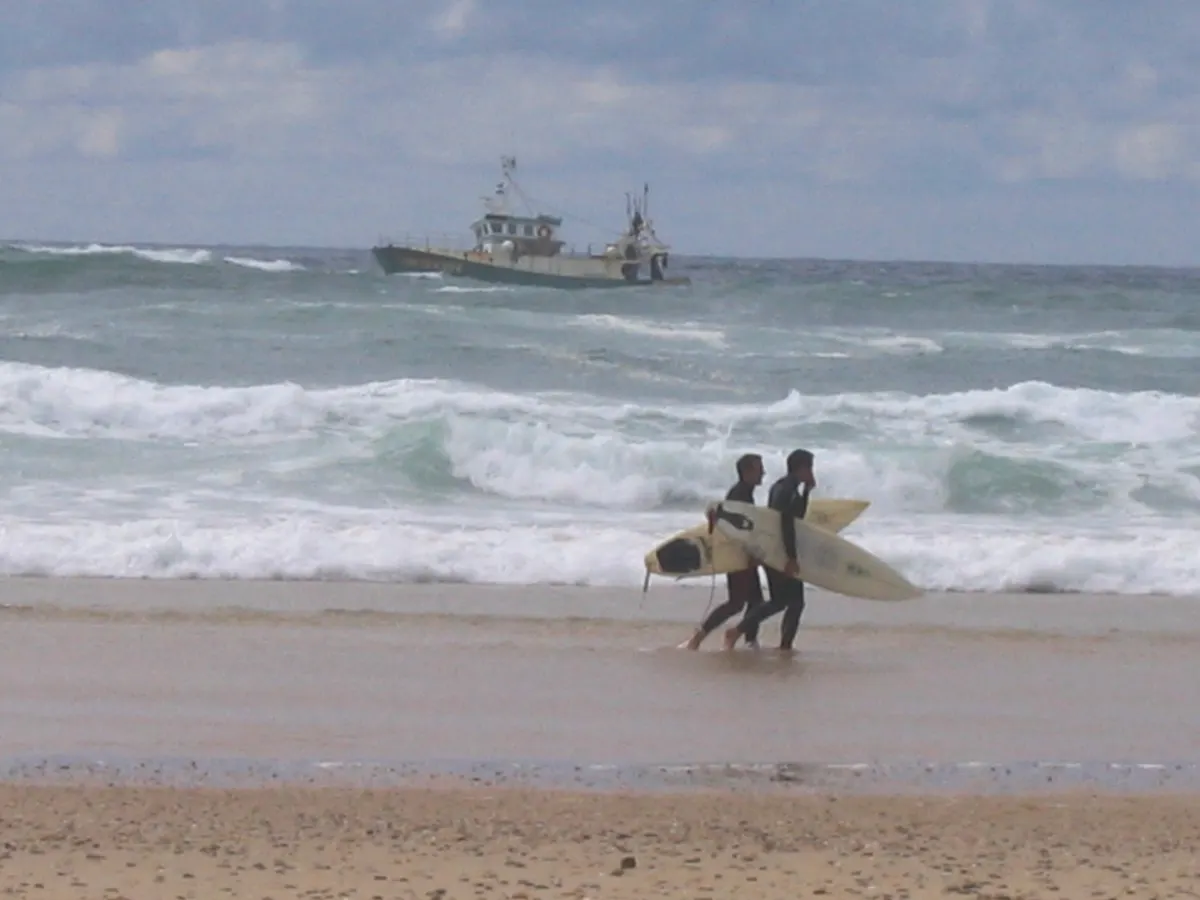
- The Atlantic coast from the Gironde to the Basque Country has strong rip currents (baïnes, water-filled channels in the sand) and big waves. People drown every summer. Swim only between the red and yellow flags, where lifeguards are on duty. If a current takes you, don't fight it: float, wave and shout.
- Flags: green, safe; yellow, dangerous but allowed; red, no swimming; purple, polluted water or dangerous animals; no flag, nobody on watch.
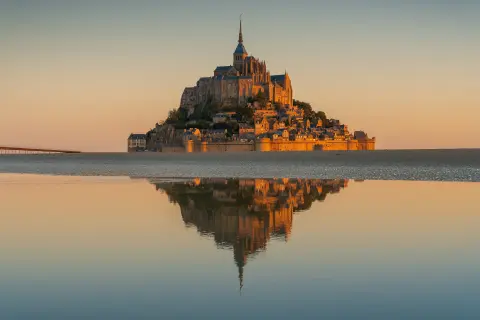
- Tides in Brittany and Normandy rise fast. Around Mont-Saint-Michel and Saint-Malo, ask the times and only cross the sands with a guide. At Étretat, stay back from the cliff edge and off the beach below cliffs.
- Lakes and rivers are cold and may have dams that release water, such as the Verdon.
- Jellyfish in the Mediterranean sting in summer: check the local flags.
- Emergency at sea: 196.
Forest fires
In the south, the paths of the Calanques and other hills can be closed when the risk is high, from June to September, and beaches and roads can be cut off. Check the prefecture's daily map before you set out. No fires, no barbecues and no smoking in the woods; throwing a cigarette out of a car can mean a big fine.
The mountains
- Carry layers, water, food, a map and a phone, and check Météo-France's mountain forecast and the avalanche risk. Storms build on summer afternoons. Start early.
- Snow lingers on the high passes until June or July. For Mont Blanc and glaciers, take a guide.
- Dial 112. Rescue in the mountains by the state is free at present (whether to charge for it is being debated), but on or beside ski runs, the resort bills you, often in the hundreds or thousands of euros: take insurance.
Numbers to call
- 112 any emergency; 15 ambulance (SAMU); 17 police; 18 fire and rescue; 114 by text if you can't speak or hear; 196 sea rescue.

Comments
No comments yet.